 Sarasota Siding
 Roofing a Barrier Island Home Is Not the Same Job as Roofing Inland
Longboat Key sits on a narrow strip of land between the Gulf of Mexico and Sarasota Bay, and that location changes what a roof has to withstand. Homes here take direct exposure to salt-laden air, near-constant sun, wind-driven rain off the Gulf, and the real possibility of hurricane-force gusts during storm season. A shingle roof that would hold up fine twenty miles inland can wear out years early on the island if it wasn't specified and installed with those conditions in mind.
We install and repair asphalt shingle roofs across Sarasota County, and the work we do on Longboat Key follows a different set of priorities than a standard mainland job: higher wind resistance, more attention to fastening and flashing detail, and materials chosen specifically for salt air and UV exposure rather than whatever is cheapest to stock.
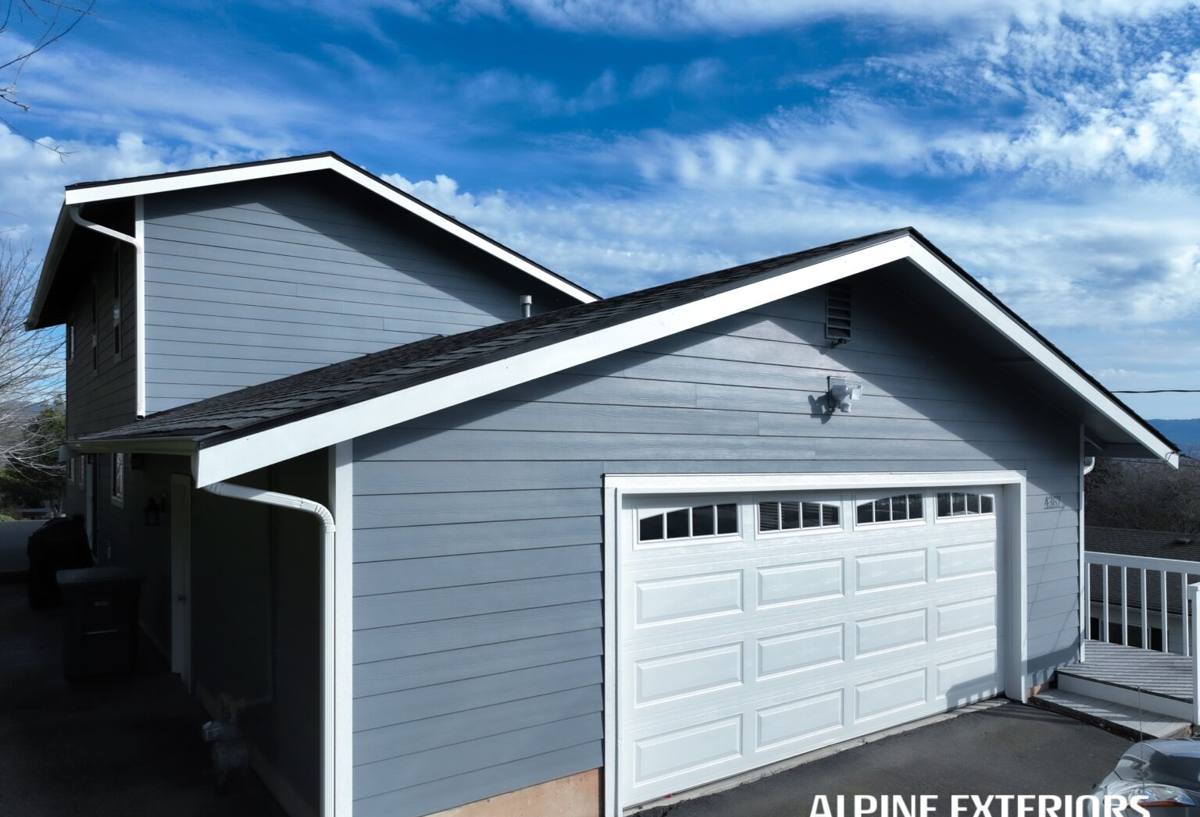
What Longboat Key's Climate Actually Does to a Roof
Wind
Sustained coastal winds and the threat of tropical storm or hurricane gusts put constant uplift pressure on shingles. Over time, ordinary wind events loosen tabs and adhesive seals that a properly rated, properly installed roof would hold onto. A roof that isn't rated and fastened for local wind exposure will start losing shingles well before a named storm ever arrives.
UV and Heat
Florida sun is intense year-round, and a Gulf-front property gets it with little interruption. UV breaks down the asphalt and oils in shingles over time, making them brittle, and heat buildup in a poorly ventilated attic accelerates that aging from underneath as well as above.
Wind-Driven Rain
It's not just how much rain falls — it's the angle it falls at. Wind-driven rain gets pushed sideways and upward under shingle edges, around vents, and into any flashing detail that isn't sealed correctly. On an exposed island lot, underlayment and flashing quality matter as much as the shingles themselves.
Salt Air
Airborne salt corrodes exposed metal — nail heads, flashing, vent housings, and drip edge — faster near the water than it does even a few miles inland. Corroded fasteners and flashing are a common cause of leaks on older island roofs that otherwise look fine from the ground.
What a Correctly Installed Shingle Roof Includes Here
A roof built for Longboat Key isn't just "shingles nailed to a deck." Every layer matters:
Wind-Rated Shingles and Correct Fastening
We install shingles rated for high-wind exposure and follow manufacturer nailing patterns exactly — correct nail count, placement, and penetration into the deck. Under-nailing is one of the most common reasons shingles blow off in wind that a properly installed roof would have shrugged off.
Sealed, Storm-Grade Underlayment
A synthetic or self-adhering underlayment layer acts as the backup water barrier if wind ever drives rain under a shingle edge. We pay particular attention to laps, valleys, and penetrations, since those are the spots most likely to leak first.
Corrosion-Resistant Flashing and Fasteners
Around chimneys, walls, skylights, and roof-to-wall transitions, we use flashing and fasteners suited to salt air exposure rather than standard-grade hardware that will rust prematurely a few hundred feet from the water.
Balanced Attic Ventilation
Intake and exhaust ventilation keep attic temperatures and moisture in check, which protects the shingles from the underside and helps prevent the heat buildup that shortens shingle life in Florida's climate.
Signs a Longboat Key Roof Needs Attention
Because island homes take more weather stress, it pays to check a shingle roof more often than you would inland. Watch for:
- Shingles that look curled, cupped, or lifted at the edges
- Granules collecting in gutters or at downspout outlets
- Bare or shiny spots where granules have worn away
- Rust staining around vents, flashing, or nail heads
- Soft spots, sagging, or discoloration on interior ceilings
- Missing or visibly loose shingles after any windy weather
- Daylight visible through the roof deck from inside the attic
Any one of these on its own isn't necessarily an emergency, but on a coastal roof they tend to develop faster than homeowners expect, so it's worth having them looked at rather than waiting.
How We Handle a Shingle Roofing Project
Inspection and Honest Estimate
We start by getting on the roof, not just looking at it from the ground. We check the shingle condition, deck condition, flashing, ventilation, and any signs of past leaks, then give you a straight assessment of whether you're looking at a repair or a full replacement — and why.
Tear-Off and Deck Inspection
For a replacement, we remove the old roofing down to the deck. This is the point where hidden problems — soft or water-damaged decking, old flashing failures — get found and fixed before new material goes down. Covering up a bad deck with new shingles just hides the problem.
Installation to Wind-Rated Standards
New underlayment, flashing, and shingles go on following manufacturer specifications for wind exposure, with the fastening pattern and sealing detail appropriate for a barrier island property.
Final Walkthrough
We walk the finished roof and the site with you, confirm cleanup, and go over any warranty paperwork so you know exactly what's covered and for how long.
Choosing the Right Shingle for a Coastal Property
Not every asphalt shingle product is built for the same conditions. Here's how the common categories compare for a Gulf-exposed home:
| Shingle Type | Wind Performance | Best Fit for Longboat Key |
|---|---|---|
| Standard 3-tab | Lower wind rating, lighter weight | Budget option; shows wear from sun and wind faster in coastal exposure |
| Architectural / laminate | Higher wind rating, thicker, more layers | Better standard choice for salt air and storm exposure |
| High-wind-rated architectural | Highest asphalt shingle wind rating, enhanced sealing | Preferred for direct Gulf-front or fully exposed lots |
We also favor shingles with strong algae-resistant granules, since Florida's heat and humidity make streaking and algae growth a common cosmetic issue on lower-grade products. It's a small spec detail, but it affects how the roof looks five and ten years in, not just on installation day.
Repair or Replace?
Not every issue means a new roof. The right call depends on a few factors:
| Factor | Leans Toward Repair | Leans Toward Replacement |
|---|---|---|
| Roof age | Newer roof, isolated issue | Approaching or past typical service life |
| Extent of damage | Localized (one section, one leak point) | Widespread granule loss, multiple leak areas |
| Deck condition | Deck is sound | Deck shows rot or water damage |
| Storm history | Minor wind or debris damage | Repeated storm exposure, aging underlayment |
We'll tell you plainly which category your roof falls into. If a repair is the honest answer, that's what we'll recommend — a roof replacement isn't the right call just because it's on the table.
Why It Matters to Hire a Crew That Already Works on Longboat Key
Island roofing jobs come with logistics that mainland jobs don't: limited road access on and off the island, tighter staging areas on many lots, and in some cases condo or association coordination for scheduling and material delivery. A crew that's done this before plans around those constraints instead of running into them mid-project.
Local experience also means familiarity with the wind exposure realities of a Gulf-front or bay-front lot versus a more sheltered mainland property, and with the permitting process through the appropriate local building department for Sarasota County work. That's the kind of knowledge that keeps a project on schedule and keeps the finished roof performing the way it's supposed to.
Maintenance That Extends the Life of a Coastal Roof
A well-installed shingle roof still benefits from regular attention in this climate. A simple annual routine goes a long way:
- Have the roof visually inspected once a year and after any major storm
- Keep gutters and downspouts clear so water isn't backing up under the eaves
- Trim back overhanging branches that drop debris or hold moisture against the roof
- Rinse off salt residue and organic buildup periodically rather than letting it sit
- Address small flashing or fastener issues promptly before they become leaks
None of this is complicated, but it's easy to skip when the roof looks fine from the driveway — and coastal wear tends to start in the details you can't see from the ground.
Get a Straight Answer for Your Roof
If you're dealing with an aging roof, storm damage, or just want an honest read on where your shingles stand, we're happy to take a look. We offer free, no-pressure estimates for Longboat Key homeowners — fill out the form below and we'll get you scheduled.