 Sarasota Siding
 Fruitville's Exterior Challenge
Fruitville sits inland from the barrier islands but still lives under the same weather system that shapes exterior work across Sarasota County. Homes here take on hurricane-force wind gusts during tropical systems, intense sun exposure nearly every day of the year, wind-driven rain that gets forced sideways into wall assemblies, and a steady dose of salt-laden air that drifts inland from the Gulf. None of these factors act alone — they compound. A siding product that handles Florida heat reasonably well might still fail under sustained wind-driven moisture, and a product that resists moisture might chalk and fade under the UV load a Sarasota County roofline sees in a single summer.
This is the lens we use on every siding, roofing, window, and deck project we take on in the area. The material has to survive the combination, not just one piece of it.
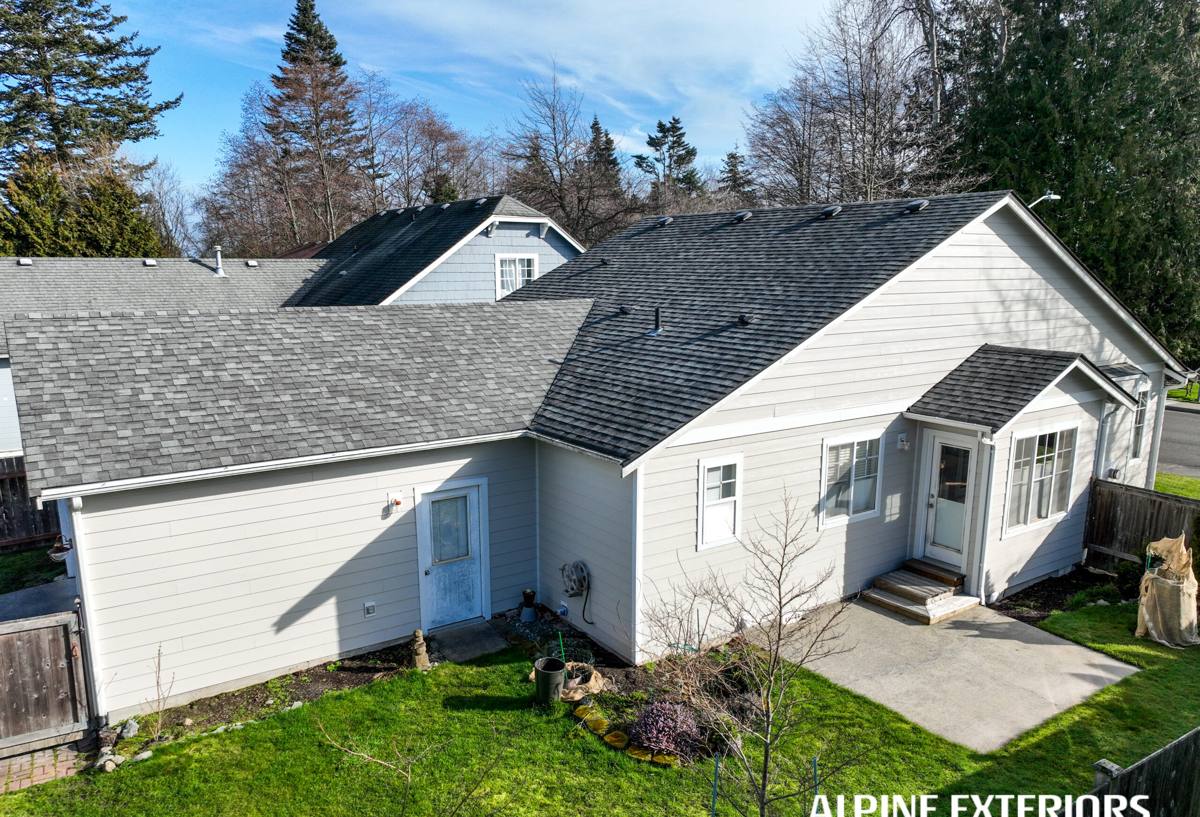
What Fruitville Homes Actually Face
Wind Load
Sarasota County building code reflects the real risk of hurricane-force winds, and siding attachment matters as much as the siding material itself. Panels or planks that aren't fastened to the correct pattern and nailing schedule can lift, crack at fastener points, or blow off entirely in a strong storm — regardless of how good the underlying material is.
UV Exposure
Central Florida sun is relentless. Painted wood and some engineered wood products chalk, fade, and lose their protective finish faster here than in milder climates, which shortens the interval between repaints and shortens the life of the substrate underneath if that finish isn't maintained on schedule.
Wind-Driven Rain
Rain in a Sarasota County storm rarely falls straight down. It gets pushed sideways into siding joints, window trim, and butt seams. Products that rely on a factory finish to keep water out — rather than a water-resistant core — are more vulnerable to swelling, delamination, or rot once water finds a way behind the surface.
Salt Air
Even set back from the coast, Fruitville gets salt-bearing air moving through on Gulf breezes. Salt accelerates corrosion on fasteners and trim hardware and can degrade certain finishes faster than inland climates elsewhere in the country would predict.
Why We Standardized on James Hardie Fiber Cement
We install James Hardie fiber cement siding exclusively. We don't offer vinyl, LP SmartSide, Cemplank, Allura, or primed wood species like spruce or cedar as options for full siding replacements, and that's a deliberate professional standard, not an oversight.
Each of those alternatives has real strengths — vinyl is inexpensive and low-maintenance in mild climates, engineered wood products install quickly and take paint well, and cedar has genuine visual appeal. But under Sarasota County's specific combination of wind, UV, moisture, and salt, each carries trade-offs we've decided aren't worth putting on a homeowner's largest asset:
- Vinyl siding can soften, warp, or crack under sustained high heat and direct sun, and it is not rated for the wind speeds Sarasota County design pressures require in many applications without specific reinforced installation.
- LP SmartSide and similar engineered wood products use a wood-strand core that depends entirely on an intact factory finish and correct field caulking to stay dry. Any breach — a missed caulk joint, a fastener error, prolonged wind-driven rain exposure — gives moisture a path into a core that can swell and deteriorate.
- Cemplank and Allura are fiber cement competitors to Hardie and share the same base chemistry, but we've standardized on one manufacturer's engineering, warranty structure, and factory finish system rather than mixing suppliers, and Hardie's HZ5 product line is specifically engineered for high-humidity, hurricane-prone climates like ours.
- Primed spruce or cedar requires the homeowner to keep up with a repainting cycle that Florida's UV and humidity compress significantly compared to other regions. Skip a cycle and the substrate itself starts absorbing moisture.
James Hardie fiber cement is non-combustible, holds its factory-baked ColorPlus finish far longer under UV exposure than field-applied paint, and is engineered specifically for climates like Sarasota's through its HZ5 product designation. It doesn't rot, and it carries a strong transferable warranty that reflects the manufacturer's confidence in the product when installed to spec. That's the material we stand behind, and it's the only one we put our installation crews' name on.
How We Install Hardie Siding on Fruitville Homes
Installation quality determines whether any siding product performs the way it's engineered to. A correctly specified Hardie panel installed with the wrong fastener pattern, insufficient clearance, or poor flashing detail will underperform — and a lot of the real-world siding failures homeowners hear about trace back to installation shortcuts, not the material itself.
On every project we:
- Inspect and repair the wall sheathing and weather barrier before any new siding goes up — covering a compromised substrate just hides the problem
- Follow James Hardie's published fastening and clearance specifications for our wind zone, not a generic national default
- Detail flashing and joints around windows, doors, and roof intersections carefully, since these are the highest-risk points for wind-driven rain intrusion
- Use the specific ColorPlus or field-paint approach that fits the home's design, with correct caulk and touch-up procedures at cut edges
- Walk the finished job with the homeowner before we consider it complete
Beyond Siding: Roofing, Windows, and Decks
Siding is one piece of a home's exterior envelope, and in Sarasota County it rarely fails in isolation from the rest of the envelope. We also handle roofing, window replacement, and deck construction, because a home's ability to shed wind-driven rain and resist storm damage depends on how all of these systems work together — a new siding job means little if the roofline above it is letting water in behind the wall, or if aging windows are the actual source of a leak a homeowner blamed on the siding.
When we evaluate a Fruitville home, we look at the whole exterior, not just the piece the homeowner called about, and we'll tell you honestly if the issue you're noticing is coming from somewhere other than where you think.
Why a Local Crew Matters Here
Sarasota County's wind design requirements, humidity levels, and storm exposure aren't generic — they're specific enough that installation details that work fine in a drier or calmer climate can underperform here. A crew that works this area regularly understands the local permitting process, the wind zone requirements that apply to Fruitville addresses, and the failure patterns particular to this climate, because we see the results of both correct and incorrect installations across the county.
That local familiarity also means we're positioned to stand behind the work after the job is done, rather than being a name that did one project in the area and moved on.
What Siding Replacement Typically Involves
| Factor | What Affects It |
|---|---|
| Home size and wall complexity | Square footage, number of corners, stories, and architectural detail (gables, dormers, trim work) |
| Substrate condition | Whether sheathing and weather barrier need repair or replacement before new siding goes on |
| Finish choice | Factory-applied ColorPlus finish versus field painting after installation |
| Trim and accessory work | Fascia, soffit, window and door trim replacement done alongside the siding |
| Access and site conditions | Landscaping, fencing, and lot layout that affect scaffolding or staging |
Every Fruitville property is different, which is why we walk the home in person and give a written estimate specific to that house rather than a blanket per-square-foot number.
Signs Your Current Siding May Be Struggling
- Visible warping, buckling, or gaps between panels or boards
- Soft spots when pressed, especially near the bottom of walls or below windows
- Persistent fading or chalking well before you'd expect a repaint to be due
- Cracking concentrated at fastener points, which often points to wind-load or installation issues rather than material age alone
- Peeling or bubbling paint that keeps returning even after a fresh coat
- Rising utility bills that could point to a compromised wall assembly letting conditioned air escape
Any one of these is worth a look. Several at once usually means the underlying wall assembly, not just the surface finish, needs attention.
Maintaining Hardie Siding in a Sarasota Climate
One of the practical advantages of fiber cement in this climate is how little upkeep it demands compared to the alternatives. A periodic rinse to clear salt residue and pollen buildup, an annual visual check of caulked joints and trim, and prompt attention to any impact damage are generally all it takes. There's no repainting cycle to track the way there is with wood, and no risk of the heat-softening issues that show up with vinyl in direct Florida sun.
Get an Estimate for Your Fruitville Home
If you're noticing signs of wear on your siding, planning ahead for storm season, or just want an honest read on your home's exterior condition, we're happy to take a look. The estimate is free, there's no pressure attached to it, and we'll tell you plainly what we see — whether that's a straightforward siding job, an issue better addressed elsewhere on the exterior, or a system that has more life left in it than you think.