 Sarasota Siding
 Why Longboat Key Is a Different Kind of Siding Job
Longboat Key sits out on the barrier island between Sarasota Bay and the Gulf of Mexico, and that position changes what a home's exterior has to deal with day in and day out. Homes just a few miles inland in Sarasota proper aren't fighting the same combination of salt-laden air, direct Gulf sun, and wind exposure that barrier island properties face. When we go out to look at a siding job on Longboat Key, we're evaluating the house differently than we would on the mainland side of the bay.
None of this means a home on the Key is doomed to constant exterior problems. It means the material and the installation details matter more here, not less. A siding choice that's merely adequate in a sheltered inland neighborhood can underperform noticeably on a barrier island lot, and the failures usually show up as chalking, swelling, cracking, or paint that won't hold, years before it should.
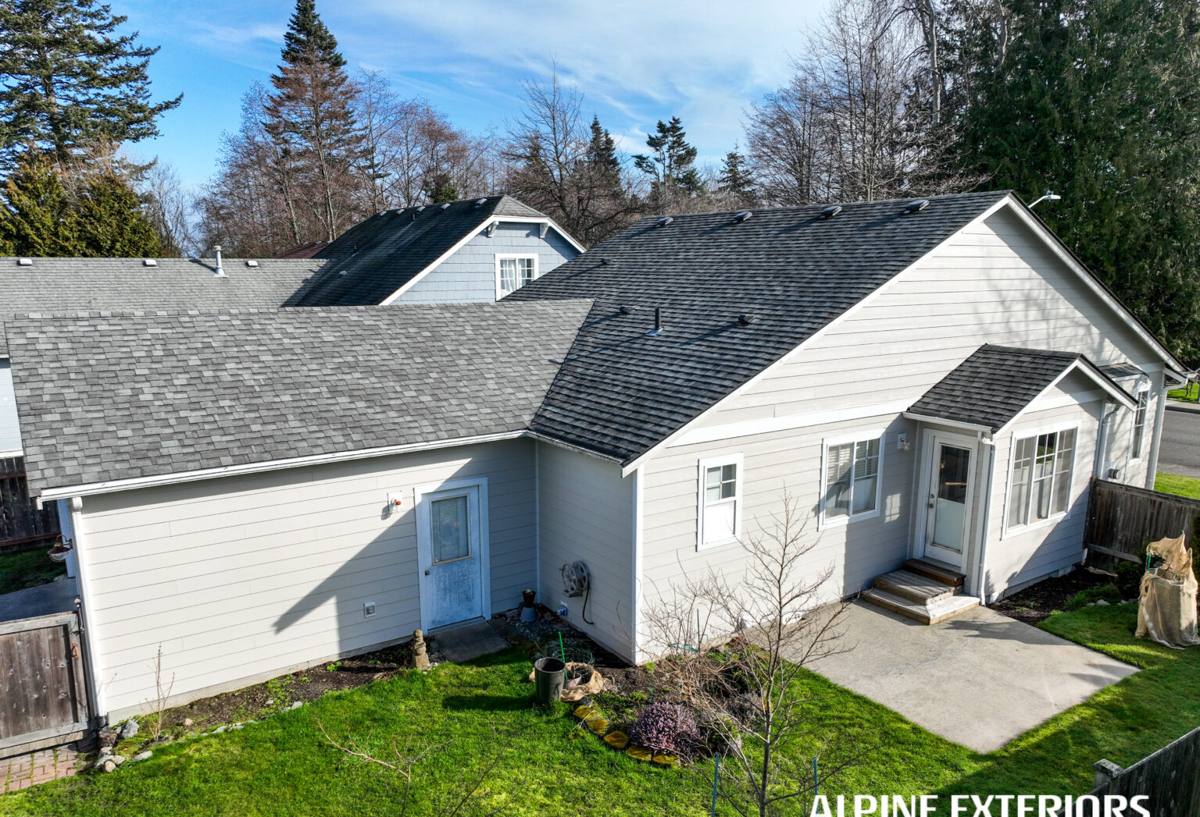
What the Climate Actually Does to a Barrier Island Home
Salt Air and Corrosion
Airborne salt from the Gulf doesn't just affect boats and railings. It settles on siding, trim, fasteners, and window components, and over time it accelerates corrosion in anything that isn't rated for a marine or near-marine environment. Fasteners, flashing, and hardware that would be fine a few miles inland can start failing early on an exposed island lot. This is one of the reasons we're particular about the fastener and flashing specs we use on coastal jobs, not just the siding brand.
UV Exposure
Florida sun is intense everywhere in the region, but open, low-lying barrier island properties often get fuller, more direct exposure with less tree canopy shade than mainland lots. UV breaks down pigments and resins in lower-grade siding and paint finishes, which is why chalking, fading, and color mismatch after touch-up work are common complaints on coastal homes with the wrong exterior product.
Wind and Wind-Driven Rain
Longboat Key is squarely in the path of tropical storm and hurricane systems that move through the Gulf, and being on the water side of Sarasota County means wind speeds and wind-driven rain can be more severe here than at inland addresses under the same storm. Wind-driven rain is a different problem from ordinary rainfall — it gets pushed sideways and upward into laps, seams, and penetrations that a product or installation not built for it will eventually let through.
Humidity and Moisture Cycling
Add in Sarasota County's year-round humidity and the constant wet-dry cycling near the water, and you get an environment that's hard on any material that absorbs moisture, swells, and then dries out repeatedly. That cycle is what drives rot in wood-based products and delamination or edge swelling in lower-grade composite sidings.
Why We Install James Hardie and Nothing Else
We're a James Hardie-exclusive contractor. We don't install vinyl, LP SmartSide, Cemplank, Allura, or primed wood siding, and on a barrier island property specifically, that standard isn't a marketing position — it's a practical one.
Fiber cement is non-combustible and dimensionally stable, meaning it doesn't expand, contract, warp, or absorb moisture the way wood-based and some composite products do. James Hardie's ColorPlus factory-applied finish is baked on and UV-cured under controlled conditions, which holds up to direct Gulf sun far better than field-applied paint that starts breaking down in a few years under this level of exposure. Hardie also engineers HZ5 product specifically for high-humidity, high-moisture climates like ours, which is a meaningfully different starting point than a general-purpose siding line.
We're not going to tell you every other product is worthless — vinyl and engineered wood sidings have real uses and reasonable price points in less demanding environments. But on an exposed barrier island lot facing salt air, full sun, and hurricane-force wind, we've made the call that we won't put our name on an installation using a product we don't think will hold up to spec over the long run. Hardie is what we stand behind.
How James Hardie Compares to Common Alternatives on a Coastal Property
| Factor | Vinyl Siding | Engineered Wood (LP SmartSide) | James Hardie Fiber Cement |
|---|---|---|---|
| Moisture/humidity behavior | Won't rot, but can warp or melt under heat/reflection | Vulnerable to swelling and edge deterioration if moisture reaches the substrate | Non-combustible, dimensionally stable, engineered HZ5 line for humid climates |
| UV/sun fading | Can fade and become brittle over time | Field-applied or factory finishes vary in UV durability | ColorPlus factory finish is UV-cured for long-term color retention |
| Wind/impact resistance | Can crack or blow off in high wind if not rated and installed correctly | Generally sturdy but seams and edges are moisture-sensitive | Dense, rigid material with strong wind-rated installation systems |
| Salt air/corrosion factors | Siding itself is inert but trim and fasteners still need care | Fasteners and exposed edges are a common failure point | Installed with corrosion-resistant fastening specs for coastal use |
| Warranty structure | Varies widely by manufacturer and grade | Manufacturer warranty, often with maintenance conditions | Strong transferable warranty when installed to Hardie spec |
What Correct Installation Looks Like on Longboat Key
Fiber cement is only as good as its installation, and that's especially true in a wind and moisture environment like this one. The details we pay attention to on a barrier island job include:
- Proper fastener spacing, type, and embedment rated for the wind exposure at the specific site
- Correct flashing and water-resistive barrier detailing at windows, doors, and penetrations, since wind-driven rain finds any shortcut
- Manufacturer-specified clearances between siding and grade, decks, and roof lines to prevent moisture wicking
- Proper joint and seam treatment so factory-finished edges aren't left exposed to the weather
- Fastener and trim hardware selected with coastal corrosion resistance in mind
- Caulking and sealant choices rated for sustained UV and salt exposure, not general-purpose products
Skipping any of these doesn't necessarily show up as a problem on day one. It shows up two, five, or ten years later as a callback nobody wants — which is exactly why we treat the installation spec as seriously as the product choice.
Roofing, Windows, and Decks Face the Same Exposure
Siding isn't the only exterior system dealing with this climate. Roofs on Longboat Key take the brunt of wind uplift forces and UV degradation, and roofing materials and fastening patterns need to match the wind exposure the same way siding does. Windows are a major point of entry for wind-driven rain if flashing and sealant details are off, and impact-rated or properly protected glazing matters more here than in a sheltered inland neighborhood. Decks exposed to full sun and salt air need hardware and fastening rated for that environment, or you end up with corrosion and finish failure well before the structure itself is at issue. We handle all four of these systems, and we think about them together rather than as separate, unrelated jobs, because on a property like this they all face the same underlying stressors.
Why a Local Sarasota County Crew Matters Here
A crew that mostly works inland jobs doesn't necessarily think about fastener corrosion resistance or wind-driven rain detailing as a default — because most of their jobs don't demand it. Working regularly in Sarasota County, including barrier island properties, means those details become routine practice rather than an afterthought. Local crews also have a better working sense of realistic timelines around storm season, permitting expectations for the area, and how a given property's exposure compares to others we've worked on nearby. That local, repeated exposure to these exact conditions is part of what you're paying for when you hire local rather than a crew that's unfamiliar with barrier island work.
What to Ask Before Hiring Anyone for Exterior Work on Longboat Key
Whether you go with us or someone else, a few questions will tell you quickly whether a contractor actually understands coastal, barrier island exterior work:
- What fastener and hardware corrosion resistance do you specify for coastal properties, and why?
- How do you detail flashing and water barriers around windows and doors for wind-driven rain?
- Which specific siding product line are you installing, and is it engineered for high-humidity, high-UV climates?
- What does your warranty actually cover, and does it require specific maintenance to stay valid?
- Have you worked on other properties in this immediate area, and what did those jobs teach you?
If a contractor can't give you a specific answer to any of these, that's worth noting before you sign anything.
Planning Exterior Work on a Barrier Island Property
Timing matters more here than on a typical inland remodel. Storm season, permitting on the island, and material lead times all factor into when work should start and how it should be sequenced, especially if you're coordinating siding with roofing, window, or deck work at the same time. We plan around those realities rather than treating every property like it's the same job in a different zip code.
If you own a home on Longboat Key and want a straight answer about what your siding, roofing, windows, or decking actually need given this specific environment, we're happy to come take a look. There's no pressure and no cost to get our honest read on the property — just fill out the form below to schedule a free estimate.