 Sarasota Siding
 Siding Built for Bradenton's Gulf Coast Conditions
Bradenton sits right in the stretch of Florida's Gulf Coast where siding takes a real beating. Between the salt air rolling in off Sarasota Bay and the Gulf, the wind that comes with every tropical system, and sun exposure that runs almost year-round, exterior materials here age faster than they would almost anywhere else in the country. We're a Sarasota-based crew that works this exact stretch of coastline, and Bradenton is part of our regular service area — not a stretch job we drive in for once and never see again.
This page walks through what Bradenton homes actually face, how we approach siding replacement here, and why we've standardized on one product system instead of offering a menu of options.
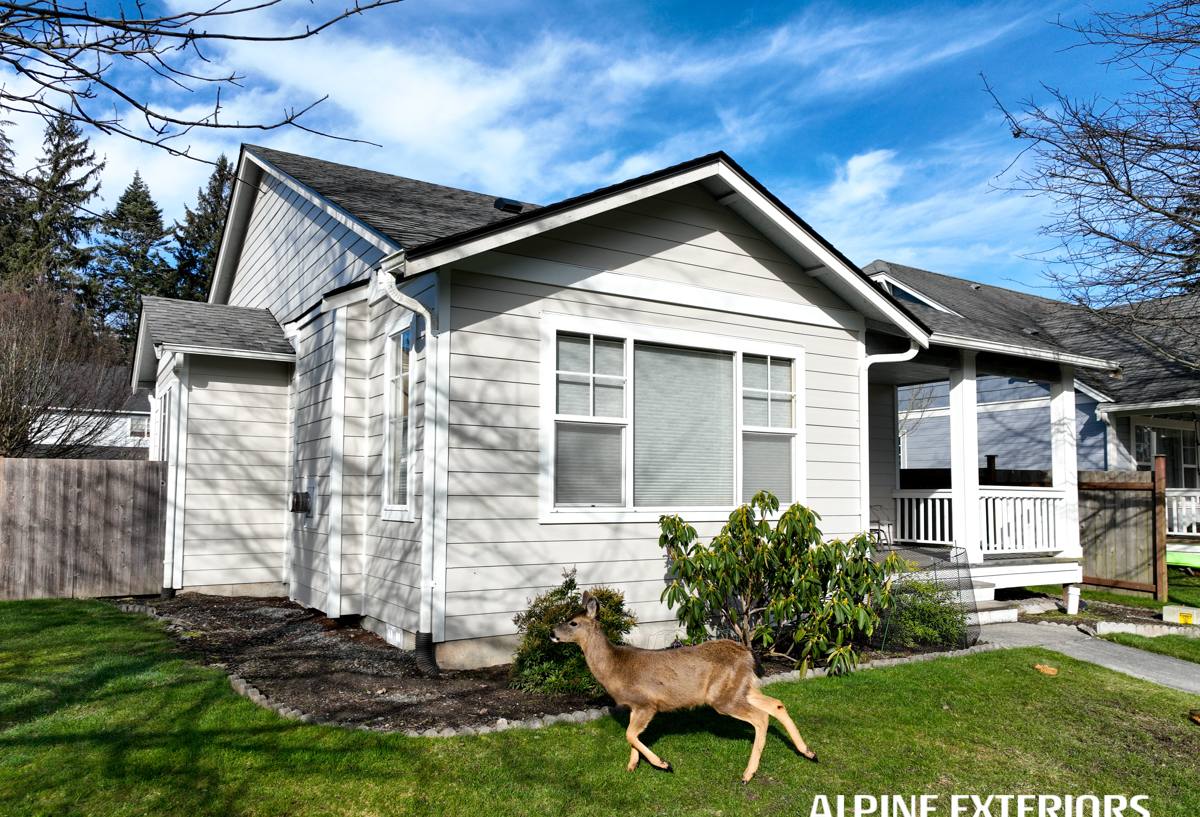
What the Climate Actually Does to a House
Salt Air and Corrosion
Coastal moisture carries salt, and salt is hard on fasteners, trim, and any siding material that isn't built to handle it. Homes closer to the water see this first, but salt air travels well inland on Gulf breezes, so even homes a few miles back from the coast pick up the same slow wear on caulk joints, seams, and exposed edges.
Wind-Driven Rain
Florida rain rarely falls straight down. During storms it comes in sideways, which means siding isn't just shedding water off a flat surface — it's being tested at every seam, corner, and penetration where water can get pushed up and behind the cladding. A siding system that isn't installed with the right flashing details and drainage plane will let moisture in eventually, and once moisture gets behind siding in a hot, humid climate, problems compound quickly.
Intense, Year-Round UV
Manatee and Sarasota County homes get sun exposure most of the country doesn't see outside of a few summer months. UV breaks down pigments and resins over time, which is why paint jobs on lesser materials fade, chalk, and need recoating far sooner here than in a milder climate.
Hurricane-Force Wind Events
Every few years, this part of the coast deals with a storm capable of producing sustained hurricane-force winds. Siding doesn't just need to look good — it needs to stay attached, stay intact, and keep water out when wind loads spike well above everyday conditions.
Why We Only Install James Hardie Fiber Cement
We don't offer vinyl, LP SmartSide, Cemplank, Allura, or unprimed wood siding like cedar or spruce. That's a deliberate decision, not a lack of options. Each of those products has legitimate strengths, but none of them hold up the way we want a Bradenton exterior to hold up over a 20-plus year ownership window.
Vinyl
Vinyl is affordable and easy to install, but it's a petroleum-based product that softens and can deform in sustained high heat, and it's rated for wind resistance well below what fiber cement achieves. In a market with real hurricane exposure, that's a trade-off we're not comfortable making on our customers' behalf.
Engineered Wood (LP SmartSide)
LP SmartSide is a wood-strand product with a resin-treated surface, and it performs reasonably well in drier climates. But it's still wood at its core, and wood-based sidings depend heavily on perfect caulking, flashing, and paint maintenance to keep moisture out. In a humid, storm-prone coastal environment, that maintenance margin gets thin fast, and any breach in the surface coating gives moisture a path into the substrate.
Other Fiber Cement Brands (Cemplank, Allura)
These are legitimate fiber cement competitors, and the core material science is similar to Hardie's. Our decision here is less about the raw material and more about factory finish quality, product-line depth for different exposure zones, and warranty structure — areas where we've found Hardie's system to be the most complete and the best documented.
Cedar and Primed Spruce
Natural wood siding is beautiful, but it's the least forgiving option in a coastal climate. It requires the most frequent refinishing, is the most vulnerable to moisture and insect damage, and simply doesn't hold up to salt air and humidity the way an engineered fiber cement product does.
None of this means those products are junk — it means we've drawn a line based on what we're willing to put our name behind in this specific climate, and Hardie is the side of that line we've landed on.
What James Hardie Gets Right for This Climate
James Hardie fiber cement is a blend of cement, sand, and cellulose fibers, engineered specifically to resist the things that wear out siding in coastal Florida.
- Non-combustible — fiber cement doesn't contribute fuel to a fire, unlike vinyl or wood-based products.
- Moisture-resistant core — it doesn't absorb and swell the way wood-based products can when a coating is compromised.
- Climate-engineered product lines (HZ system) — Hardie manufactures different formulations for different exposure zones, and Florida installations use the HZ5 line, engineered specifically for high-humidity, high-moisture climates like ours.
- Factory-applied ColorPlus finish — baked-on color that resists the UV fading and chalking that plagues field-painted surfaces under intense Florida sun.
- Strong, transferable warranty — backed by a manufacturer with decades of track record in coastal markets, not just marketing claims.
None of that matters, though, if the installation is sloppy. Hardie's own warranty terms require installation to their published specifications — correct fastener patterns, proper clearances, and correct flashing and joint treatment. That's where a crew that knows this climate actually earns its keep.
Why a Local Crew Matters in Bradenton
Bradenton and the surrounding Sarasota County and Manatee County area fall under Florida Building Code wind-load requirements that are stricter than most of the country, and coastal proximity can push those requirements even higher depending on the specific site. A crew that installs siding all over the country might not think twice about a detail that's routine here — like how deep to embed fasteners, how to flash a window head against wind-driven rain, or how to handle a transition where siding meets a roofline in a way that sheds water instead of trapping it.
We work this coastline regularly. That means we're not learning Bradenton's climate on your house — we're applying what we already know from the dozens of similar homes we've worked on nearby.
What Local Experience Actually Changes
- Correct fastener spacing and embedment for local wind-load requirements
- Flashing details at windows, doors, and roof transitions built for wind-driven rain, not just vertical rain
- Starter strip and clearance details that keep the bottom edge of the siding away from standing moisture
- Caulk and sealant choices rated for sustained UV and salt exposure, not generic hardware-store product
- Familiarity with local permitting and inspection expectations, so the job doesn't stall waiting on paperwork surprises
Our Siding Replacement Process
Every Bradenton project starts with an honest look at what's actually happening behind the existing siding, not just what it looks like from the curb.
Step by Step
- Inspection — we check the current siding, the sheathing underneath where accessible, and look for signs of past moisture intrusion around windows, doors, and trim.
- Estimate and product selection — we walk through Hardie board sizes, textures, and ColorPlus color options that fit the home and the neighborhood.
- Tear-off and substrate check — removing old siding is also when hidden moisture damage gets found, and it needs to be addressed before new siding goes on, not covered up.
- Weather barrier and flashing — this is the layer that actually keeps water out; it matters more than the visible siding itself.
- Hardie installation to manufacturer spec — correct fastening, clearances, and joint treatment, done to the standard Hardie's warranty requires.
- Final walkthrough — trim, caulking, and paint lines checked before we call the job finished.
Cost Factors to Expect
Every home is different, but the same handful of variables drive most of the cost difference between one Bradenton siding job and another.
| Factor | Why It Matters |
|---|---|
| Home size and wall complexity | More square footage, corners, and dormers mean more material and labor time |
| Substrate condition | Hidden moisture or rot damage found during tear-off adds repair work before new siding can go on |
| Board profile and texture | Lap siding, shake-style panels, and board-and-batten each carry different material and labor costs |
| Color and finish choice | Factory ColorPlus finishes vs. field-painted Hardie primed products affect both cost and long-term maintenance |
| Trim and accessory scope | Full trim replacement alongside siding adds cost but keeps the finished look and weather-sealing consistent |
We put together a written estimate that breaks these out clearly, so you know what's driving the number rather than getting a single lump figure.
Beyond Siding: The Full Exterior Envelope
Siding doesn't work in isolation — it's one part of a system that includes the roof, windows, and any attached structures like a deck. We handle roofing, window replacement, and deck work alongside siding because these systems all interact at the same vulnerable points: roof-to-wall transitions, window openings, and any place a deck ledger board attaches to the house. Addressing siding without considering what's happening at the roofline or around the windows can leave the same moisture problems in place under a new surface.
A Simple Homeowner Checklist
- Check for soft spots, bubbling paint, or visible warping on current siding
- Look for staining or streaking below window sills and roof-to-wall joints
- Note any areas where caulk has cracked or pulled away from trim
- Check attic or interior walls for musty odors that could point to hidden moisture
- Ask any contractor for their manufacturer certification and written warranty terms before signing
Ready When You Are
If your Bradenton home's siding is showing its age — fading, soft spots, cracked caulk, or just a look that's fallen behind the neighborhood — we're happy to come take a look. There's no pressure and no obligation. Use the form below to request a free estimate, and we'll walk the property, answer questions honestly, and give you a clear picture of what your home actually needs.