 Sarasota Siding
 Why Sarasota Siding Wears Differently Than Siding Up North
Siding on a home in Sarasota County works harder than siding almost anywhere else in the country. It's not one thing wearing it down — it's four things happening at once, year after year. Hurricane-force wind events test every seam and fastener. Sun exposure runs close to year-round, not just a few summer months, which accelerates UV breakdown on anything not engineered for it. Wind-driven rain gets pushed sideways into laps and seams during our storm season instead of just running straight down. And salt air off the Gulf works into fasteners, trim, and any exposed substrate, corroding what it touches over time.
None of that means siding fails fast in Sarasota. It means it fails differently — often from the inside out, with the visible damage showing up well after the underlying problem started. That's the whole reason this page exists: to help you catch the early signs before a small moisture problem turns into a rot repair or a mold remediation bill.
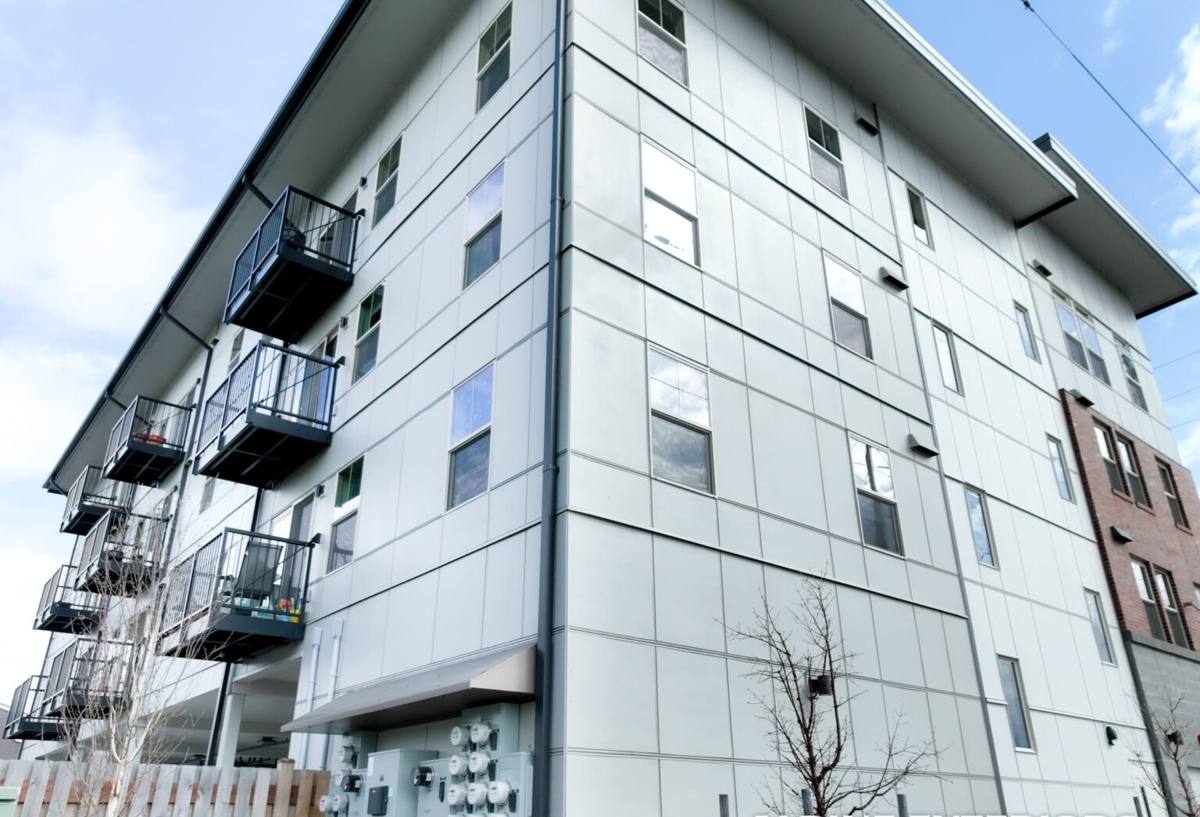
The Early Warning Signs Most Homeowners Miss
Most siding failure isn't dramatic. Nobody notices a wall falling off the house — they notice a soft spot near the bottom of a wall, or a paint color that's gone chalky, or a bill from a mold inspector. The signs are there long before that, if you know where to look.
What to Look For Visually
- Boards or panels that look wavy, buckled, or slightly bowed instead of laying flat
- Paint that's peeling, blistering, or bubbling — especially near seams and butt joints
- Dark streaking or staining running down from seams, corners, or nail heads
- Visible gaps opening up at butt joints, corners, or where siding meets trim
- Chalky white residue on your hand after wiping the siding (common on aging vinyl and worn paint)
- Cracked or split boards, especially near the bottom courses closest to grade
What to Check by Feel and by Sound
Some of the most useful checks take thirty seconds and no tools. Press on the siding near the bottom of the wall, around window and door trim, and anywhere you can reach a seam. Solid material feels firm and resists your thumb. Soft, spongy, or slightly give-y material is a sign moisture has gotten into the substrate — this is especially true for wood-based products, where "soft" almost always means active rot underneath. A hollow or crumbly sound when you knock on it is another tell.
Signs That Show Up Inside the House First
By the time siding damage is visible from the curb, water intrusion has often been happening for a while. Inside the house, watch for musty odors near exterior walls, peeling interior paint or wallpaper on an exterior wall, soft drywall, or a noticeable rise in humidity in one particular room. These are downstream symptoms of an exterior envelope problem, and they're worth connecting back to the siding rather than treating as a standalone interior issue.
What's Actually Happening Behind the Surface
Understanding the mechanism helps you take the right signs seriously instead of dismissing them as cosmetic.
Most siding materials are not fully waterproof — they're designed to shed water, which is a different job. Water that gets past the face of the siding (through a seam, a fastener hole, a cracked caulk line, or wind-driven rain forced sideways under a lap) is supposed to drain back out through a water-resistive barrier and drainage plane behind the cladding. When that system is intact, small amounts of intrusion are harmless. When it's compromised — old caulk, missed flashing, panels installed too tight to the substrate, or a material that swells and traps moisture instead of shedding it — water sits against the wall assembly instead of draining away.
That trapped moisture is what turns into soft wood, mold growth inside the wall cavity, corroded fasteners, and eventually siding that separates from the structure. It's also why cosmetic-only repairs (a fresh coat of paint over a soft board, caulk squeezed into a gap without checking what's behind it) tend to fail again within a year or two — they treat the visible symptom without addressing the moisture pathway underneath.
How Warning Signs Differ by Siding Material
Not all siding fails the same way, and knowing what's on your house changes what you should be watching for.
| Material | Earliest Warning Signs | What's Usually Happening |
|---|---|---|
| Vinyl | Warping, buckling, fading, brittleness, cracking in cold snaps | UV breaks down the plastic over time; heat causes expansion/contraction that loosens fastener points |
| Engineered wood (LP-type) | Swelling at edges, soft spots at seams, dark staining at panel joints | Wood-based substrate absorbing moisture faster than the finish can shed it, especially at cut edges |
| Untreated wood / cedar / primed spruce | Cupping, splitting, soft or spongy boards, peeling paint | Wood is naturally moisture-reactive; humidity and rain cycles cause swelling, shrinking, and eventual rot |
| Fiber cement (Hardie) | Caulk failure at joints, finish wear at 15+ years, minor hairline cracking from impact | The board itself resists moisture and rot; issues are almost always at joints, fasteners, or finish — not the material breaking down |
That last row is why we build our business around fiber cement. It's not that Hardie siding can never have a problem — it's that the failure modes are limited to things you can inspect and maintain (caulk, paint, fasteners) rather than the board material itself absorbing water and rotting from within.
A Simple Self-Inspection Checklist
You don't need a ladder or a contractor to do a first-pass check. Walk the perimeter of your home on a dry day and go through this list:
- Look at every wall from ten feet back — do any sections look wavy, bowed, or uneven compared to the rest?
- Check all four corners and every window/door trim line for gaps, cracked caulk, or dark staining
- Press firmly (not hard enough to damage anything) on the bottom two feet of siding on each wall, where splashback and standing water are most common
- Check the wall facing the prevailing wind and rain direction most closely — it usually shows problems first
- Look up under eaves and around roof-to-wall transitions for staining or gaps
- Note any exterior wall that has a musty smell or peeling paint on the matching interior wall
- Check for insect activity (carpenter ants, termites) around the base of the walls, which often follows moisture damage
If you find one or two minor items, that's normal maintenance. If you find soft spots, active staining, and gaps in the same general area, that's worth a professional look before it spreads.
Repair, or Time to Replace?
Not every warning sign means a full re-side. The honest answer depends on how contained the damage is and what's causing it.
Usually a Repair
Isolated caulk failure at a few joints, one or two cracked boards from impact damage, localized fading or chalking on an otherwise sound wall, or a single soft spot traced to a specific leak (a gutter overflow, a bad flashing detail) that's since been fixed. These are targeted fixes, not whole-house problems.
Usually a Replacement Conversation
Widespread buckling or warping across multiple walls, soft or rotted material in more than one area, siding original to a home built before modern moisture-barrier practices were standard, or a pattern of repeat repairs in the same spots. When the underlying material or installation is the problem rather than one bad joint, patching becomes a cycle instead of a fix.
Why We Standardized on James Hardie Fiber Cement
We get asked why we only install one brand of siding, and it's a fair question. We used to install a wider range of products. What changed our minds was watching which siding held up to Sarasota's specific combination of UV, humidity, wind-driven rain, and salt air — and which ones we kept getting called back to repair.
James Hardie fiber cement is non-combustible, holds up structurally in high-wind regions when installed to the manufacturer's specifications, and carries a factory-applied ColorPlus finish that's baked on rather than field-painted, which matters a lot in a climate where UV is relentless. Hardie also engineers specific product lines (their HZ5 designation) for high-humidity, hurricane-prone regions like ours, and backs the product with a strong transferable warranty. It costs more upfront than vinyl or engineered wood siding. We think the reduction in callbacks, rot risk, and repaint cycles over the life of the siding makes that upfront difference worth it — but that's a decision every homeowner should make with full information, not a sales pitch.
What to Do If You Spot Warning Signs
If you've walked your home and found soft spots, staining, gaps, or buckling, the next right move is a professional inspection — not a quick caulk-and-paint patch that hides the symptom without checking what's behind it. A proper inspection should include checking behind a sample area of siding where accessible, not just a visual walk-around.
If you're in Sarasota County and want a second opinion on what you're seeing, we're happy to take a look. There's no cost and no pressure to sign anything — just an honest read on whether you're looking at a minor repair, a bigger moisture problem, or nothing to worry about at all. Reach out through the form below to schedule a free estimate.