 Sarasota Siding
 Siding Built for Downtown Sarasota's Climate, Not Just Its Look
Downtown Sarasota sits close to the water, which means the siding on these homes works harder than siding almost anywhere else in Florida. Between the bay breeze, the density of older bungalows and mid-century houses mixed with newer infill construction, and a climate that swings from calm, sun-baked afternoons to violent tropical downpours, exterior materials here get tested constantly. We install James Hardie fiber cement siding exclusively, and on a Sarasota County property, that is not a marketing preference — it is the material we trust to hold up to what this specific area throws at a house year after year.
This page covers what Downtown Sarasota homes actually face from the weather, how our installation process is tailored to that reality, and why we standardized on one product line instead of offering the usual lineup of vinyl, LP SmartSide, or other fiber cement alternatives.
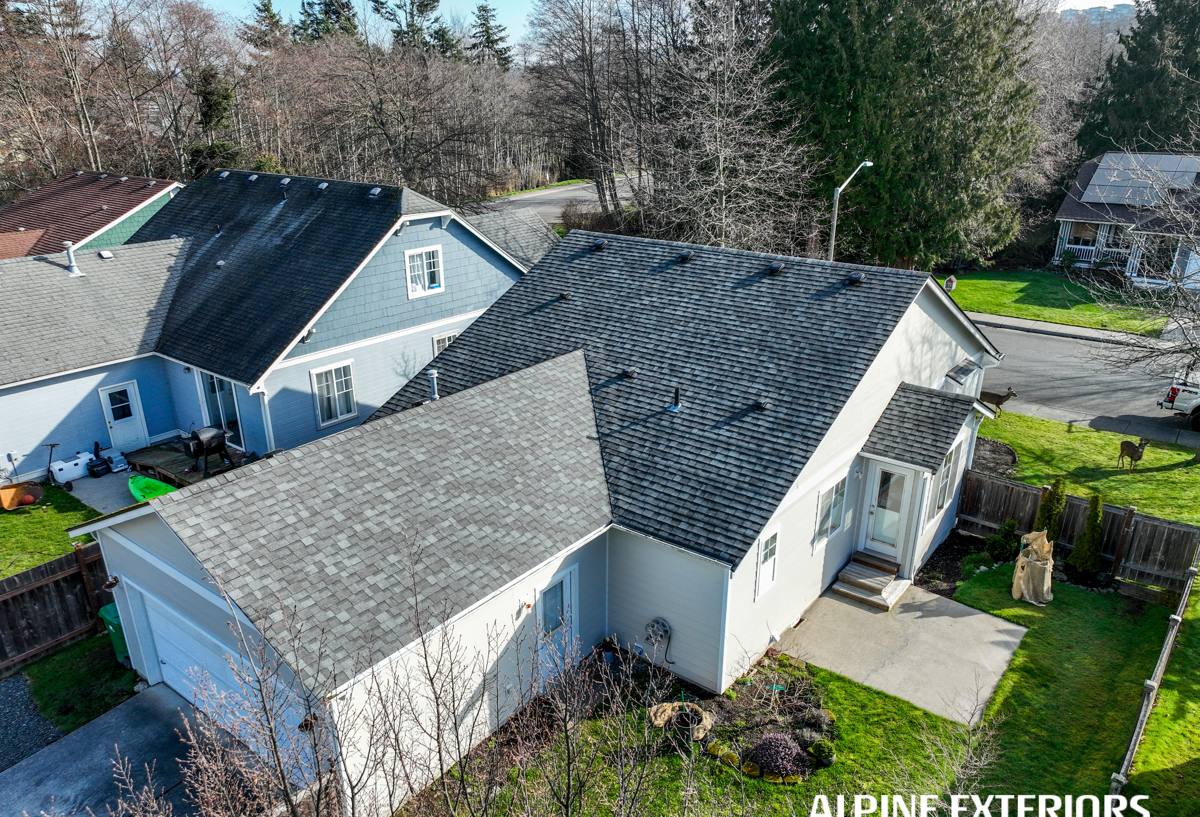
What Downtown Sarasota Homes Are Up Against
Sarasota's downtown core and the neighborhoods around it deal with a specific combination of stressors that don't hit every part of Florida equally:
Hurricane-Force Wind and Wind-Driven Rain
Sarasota County sits directly in the path of Gulf-side tropical systems. Even storms that don't make a direct landfall here can push sustained wind and horizontal rain across the area for hours. Siding doesn't just need to survive the wind load itself — it needs a fastening and joint system that keeps wind-driven water from getting behind the cladding, where it can sit against sheathing and framing long after the storm passes.
Salt Air and Humidity
Proximity to Sarasota Bay and the Gulf means airborne salt is a constant, low-grade corrosive presence on this coastline. Combined with Florida's year-round humidity, that salt accelerates the breakdown of materials that aren't formulated to resist it — fasteners corrode faster, paint films degrade faster, and porous or moisture-sensitive substrates stay damp longer between rain events.
Intense, Nearly Constant UV Exposure
Sarasota gets sun exposure most of the year, and UV is one of the fastest ways to degrade a paint finish. Field-applied paint on siding chalks, fades unevenly, and starts needing touch-up work within just a few years in this kind of sun load, especially on south- and west-facing walls that catch the harshest afternoon light.
Why We Install Only James Hardie Fiber Cement
We don't carry vinyl siding, LP SmartSide, Cemplank, Allura, or primed wood products like spruce or cedar. That's a deliberate standard, not a limitation on what we're capable of installing. Here's the honest reasoning:
- Vinyl can warp or deform under sustained high heat and is more vulnerable to wind damage in the fastening-flange system that holds panels in place — a real concern given how often this coastline sees named storms.
- Engineered wood products (like LP SmartSide) use a wood-strand core that, while treated, is still an organic material — if moisture gets past a seam or a damaged panel edge in a humid coastal climate, the core is more susceptible to swelling and deterioration than a cement-based product.
- Primed wood siding (spruce, cedar) requires the homeowner to maintain a paint film that is the only thing standing between the wood and the weather. In a climate with this much UV and rain, that maintenance cycle is short and the cost of falling behind on it is real rot.
- Other fiber cement brands (Cemplank, Allura) are legitimate products in general, but we've built our entire installation process, warranty conversations, and factory-finish expectations around one system. Standardizing lets our crew install to a single, well-practiced spec instead of juggling different manufacturer instructions on every job.
James Hardie fiber cement is non-combustible, dimensionally stable in humidity swings, and available in HardieZone engineered formulations built specifically for humid climates like Southwest Florida. The factory-applied ColorPlus finish is baked on and warranted separately from the substrate, which matters enormously in a market where UV is working against painted siding almost every day of the year.
How Our Process Works for a Downtown Sarasota Property
Every home is different, but the sequence we follow on a Sarasota-area siding job generally looks like this:
- On-site assessment. We look at the existing siding condition, the wall assembly underneath it, drainage details, and any moisture staining or soft spots — particularly around window and door openings, which are common failure points in coastal wind events.
- Substrate and moisture check. Before new siding goes up, we confirm the sheathing underneath is sound. In an older Sarasota home, this step sometimes uncovers issues from a prior installation that skipped a proper water-resistive barrier.
- Weather-resistive barrier and flashing. This layer, along with correctly integrated flashing at windows, doors, and penetrations, is what actually keeps wind-driven rain out — the siding itself is the visible layer, but the barrier system behind it is what does the real water-management work.
- Hardie panel or plank installation to manufacturer spec. Fastener spacing, joint treatment, and clearances (from grade, roofing, and other transitions) are installed to Hardie's published requirements for this climate zone, not shortcuts.
- Final detailing and cleanup. Trim, caulking at appropriate joints, and a final walk-through so the homeowner understands what was done and why.
Why a Local Crew Matters Here
A crew that works Sarasota County regularly understands details that an out-of-town installer might not think twice about: how close the water table sits in some low-lying downtown-adjacent lots, how storm patterns tend to hit certain wall orientations harder than others, and which older housing stock in this area tends to have outdated or missing moisture barriers behind the original siding. That familiarity shows up in small decisions during installation — where extra flashing attention is warranted, how a particular roofline interacts with wind-driven rain, and what past storm seasons have already tested on similar homes nearby.
It also matters for accountability. A local company is still here next hurricane season, next humid summer, and for whatever warranty conversations come up years down the road — not just for the length of one job.
Comparing Siding Options for a Coastal Sarasota Property
| Material | Wind/Storm Performance | Moisture Behavior in Humidity | Maintenance Burden |
|---|---|---|---|
| James Hardie Fiber Cement | Engineered for high-wind zones; strong fastening system | Cement-based, not organic — resists swelling and rot | Low; factory ColorPlus finish reduces repainting cycles |
| Vinyl | Can deform or blow off in sustained high wind | Doesn't rot, but seams can allow water intrusion behind panels | Low, but limited repair options if damaged |
| Engineered Wood (LP SmartSide) | Reasonable if installed correctly, but panel edges are moisture-sensitive | Wood-strand core can swell if moisture penetrates | Moderate; edge sealing and caulking need upkeep |
| Primed Wood (Spruce/Cedar) | Wind performance depends heavily on fastening | Organic material, prone to rot without diligent maintenance | High; regular repainting and inspection required |
Cost Factors for a Downtown Sarasota Siding Project
We don't quote pricing on a page like this, since every home's size, wall condition, and scope are different — but a few factors consistently move the price on Sarasota-area jobs:
- Whether the existing siding needs to be fully removed or there's substrate damage to address underneath
- How much window, door, and corner trim work is involved
- Plank versus panel Hardie products, and the specific ColorPlus color or field-paint finish selected
- Access and site conditions typical of denser downtown-adjacent lots
- Any additional flashing or water-management upgrades needed to bring an older wall assembly up to current standards
The only way to get an accurate number is a walk-through of the actual property, which is what our estimate visits are for.
Signs Your Sarasota Home May Need Siding Attention
Homeowners in this area often notice problems gradually rather than all at once. Some signs worth a professional look:
- Visible cracking, buckling, or gaps at panel seams, especially after storm season
- Soft or spongy spots when pressed gently, which can indicate moisture behind the siding
- Persistent chalking or uneven fading on sun-exposed walls
- Staining or streaking that reappears shortly after cleaning
- Visible fastener corrosion or rust bleed near the coastline-exposed sides of the house
Beyond Siding: The Full Exterior Picture
Siding doesn't work in isolation. Roofing, windows, and decks all interact with the same wind, rain, and UV exposure, and a weak point in any one of them can undermine the others — a roof leak can saturate a wall from above, and poorly flashed windows can feed moisture behind even well-installed siding. We handle roofing, window, and deck work as well, which lets us look at a Downtown Sarasota home's exterior as one connected system rather than isolated projects, and flag issues in one area that are actually being caused by another.
If you're weighing a siding project on a Downtown Sarasota property, we're glad to walk the exterior with you and give you a straightforward, no-pressure estimate — no obligation, just an honest look at what your home actually needs.