 Sarasota Siding
 Why Bee Ridge Homes Need Siding Built for This Climate
Bee Ridge sits well inland from the coast compared to some Sarasota County neighborhoods, but "inland" in this part of Florida is a relative term. Homes here still take a beating from the same forces that hit the barrier islands, just with a slightly different mix. Afternoon thunderstorms roll through most of the summer, hurricane season brings the real risk of sustained high winds and wind-driven rain, and the sun is relentless nearly every day of the year. Add in humidity that never really lets up and the salt-laden air that drifts inland from Sarasota Bay and the Gulf, and you've got a combination that will find every weakness in a home's exterior over time.
Siding in Bee Ridge isn't just a cosmetic layer. It's the first line of defense between your framing, sheathing, and interior walls and a climate that works against building materials year-round. Products that perform fine in a mild, dry climate often struggle here — they absorb moisture, degrade under UV, or open up seams that let wind-driven rain behind the surface. That's the reason we standardized on James Hardie fiber cement and don't install anything else. It's engineered for exactly this kind of exposure.
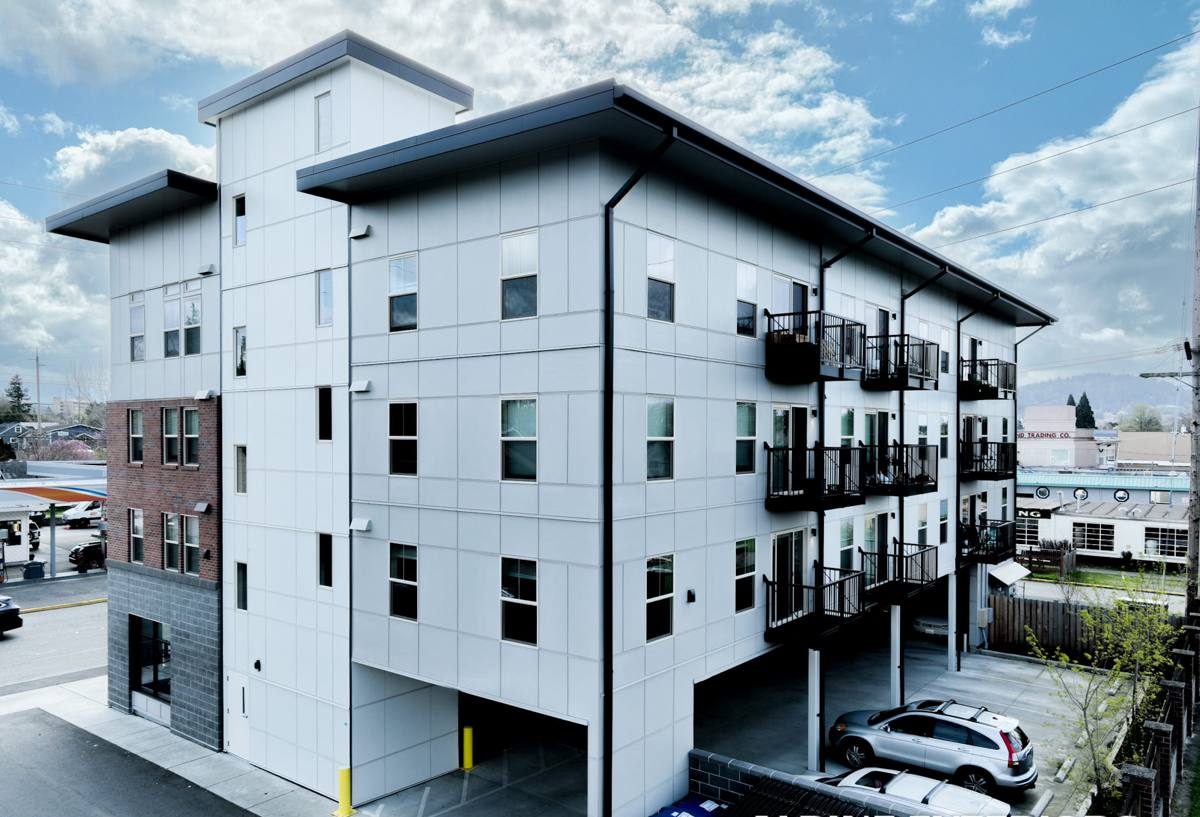
What Bee Ridge's Climate Actually Does to Siding
Wind and Wind-Driven Rain
Sarasota County sits in a hurricane-prone region, and Bee Ridge is not exempt from that risk just because it's not on the water. During tropical storms and hurricanes, wind doesn't just push against a wall — it drives rain sideways, forcing moisture into any gap, seam, or fastener point that isn't properly sealed. Siding that isn't rated for high-wind zones, or that's installed with shortcuts, is where water intrusion starts. Once moisture gets behind the cladding, it doesn't dry out quickly in a humid climate like ours, and that's when rot, mold, and structural damage follow.
Intense, Year-Round UV
Florida sun is a different animal than what most siding products were originally engineered for. UV exposure here is high-intensity and near-constant, twelve months a year. Paint fades, plastics get brittle, and many siding materials chalk or degrade faster under this kind of sun than they would in a northern climate. A siding product's color stability and UV resistance matter more in Bee Ridge than almost anywhere else in the country.
Salt Air
Even though Bee Ridge isn't waterfront, salt air travels. Coastal humidity carries salt inland, and over years that salt content contributes to corrosion of fasteners, staining, and accelerated wear on materials that aren't built to handle it. It's a slower process than what a beachfront home experiences, but it's real, and it adds up over the life of a siding system.
Humidity and Moisture Cycling
Sarasota County's humidity means siding is almost never fully dry. Materials that swell when wet and shrink when they dry out go through that cycle constantly here, which stresses seams, fasteners, and paint film. Over years, that cycling is what causes warping, cupping, and finish failure in moisture-sensitive products.
Why We Install Only James Hardie in Bee Ridge
James Hardie fiber cement siding is manufactured specifically to hold up against the conditions we just described. It's non-combustible, dimensionally stable, and doesn't absorb moisture the way wood-based or wood-alternative products can. Hardie also produces climate-specific product lines engineered for high-humidity, high-UV regions like Florida — commonly referred to as their HZ5 formulation for our zone — which is built to resist moisture damage and hold its finish in exactly the kind of climate Bee Ridge sits in.
The factory-applied ColorPlus finish is another piece of why we don't install anything else. Field-painted siding is only as good as the paint job and the maintenance schedule behind it, and in this UV environment, field paint fades faster than most homeowners expect. ColorPlus is baked on in a controlled factory process with UV-resistant resins, which means better color retention over time and less repainting than what you'd deal with on wood, primed spruce, or many vinyl products that fade and can't be repainted at all without replacement.
We don't install vinyl, LP SmartSide, Cemplank, Allura, primed spruce, or cedar. Each of those products has situations where it's a reasonable choice for someone, somewhere — but for a Bee Ridge home dealing with hurricane-force wind risk, sustained UV, and salt-laden humidity, we've made fiber cement from James Hardie our standard because it's the product we trust to actually perform here for decades, not just look good on installation day.
What a Correct James Hardie Installation Involves
The siding panel itself is only part of the system. A correct install in a wind- and moisture-prone climate like ours depends just as much on what's underneath and how the details are handled.
- Weather-resistant barrier: A properly installed and lapped house wrap or building paper behind the siding, with all seams taped and penetrations sealed.
- Flashing at every transition: Windows, doors, rooflines, and any place two materials meet need correct flashing to direct water out and away from the wall assembly.
- Proper fastening: Hardie specifies fastener type, spacing, and placement for wind resistance — corrosion-resistant fasteners matter in our salt-air environment.
- Correct clearances: Siding needs proper clearance from grade, roofing, and decking so water doesn't wick up into the bottom edge of the panels.
- Joint and seam treatment: Butt joints, corners, and trim need to be caulked and treated per manufacturer specification to keep wind-driven rain out.
- Ventilation behind the cladding: A rainscreen or drainage plane helps any moisture that does get in dry out instead of sitting against the wall.
Skipping any one of these steps is how a quality product ends up with a callback a few years later. Fiber cement siding is only as good as the installation behind it, which is why the crew matters as much as the material.
Why a Crew That Works Bee Ridge Regularly Matters
Installation quality is where most siding problems actually start, not in the product itself. A crew that regularly works in Bee Ridge and the surrounding Sarasota County area already understands the wind-load requirements for this zone, knows how local humidity affects cure times and material handling, and has seen firsthand what happens when flashing or fastening gets rushed on a Gulf Coast home. That local experience shows up in the details — how joints are sealed, how corners are trimmed, how the crew sequences the job around Florida's afternoon storm patterns so materials aren't compromised mid-installation.
It also matters for code compliance. Sarasota County's building requirements reflect the region's hurricane exposure, and a contractor who works here consistently knows what inspectors are looking for and builds to that standard as a baseline, not an afterthought.
Comparing Siding Options for a Bee Ridge Home
| Factor | James Hardie Fiber Cement | Vinyl | Wood / Primed Spruce |
|---|---|---|---|
| Wind resistance | Engineered and rated for high-wind zones | Can crack or blow off in severe wind | Depends heavily on installation; prone to warping |
| UV / color stability | Factory ColorPlus finish resists fading | Fades and can chalk over time | Field paint fades faster in intense sun |
| Moisture behavior | Dimensionally stable, moisture-resistant formulation | Doesn't absorb water but can trap it behind panels | Absorbs moisture, prone to rot without upkeep |
| Salt air resistance | Holds up well with proper fasteners | Generally stable but can become brittle | More vulnerable to moisture-driven decay |
| Maintenance | Occasional cleaning, minimal repainting | Low maintenance but limited repair options | Regular repainting and sealing required |
Cost Factors for a Bee Ridge Siding Project
Every home is different, and we won't quote a number without seeing the property, but a few factors consistently drive cost on jobs in this area:
- Total square footage of exterior wall area and the home's overall shape and roofline complexity
- Condition of the existing sheathing and whether repairs are needed before new siding goes on
- Number of window and door openings, since each one requires flashing and trim work
- Product selection within the Hardie lineup — lap siding, panel siding, and shingle-style profiles have different material and labor requirements
- Accessibility of the home, including height and landscaping that affects staging and equipment
The most reliable way to get an accurate number is a walk-through, not a phone estimate — too many of these factors depend on seeing the actual condition of your home.
What to Expect From Our Process
We start with an on-site inspection of your existing siding and the condition of what's underneath it, since that affects both scope and cost. From there we walk you through product and color options within the James Hardie lineup, provide a written estimate, and if you move forward, schedule the work around Florida's weather patterns to protect materials during installation. Every job follows manufacturer installation specifications for our wind zone — flashing, fastening, and sealing aren't optional steps we skip to save time.
Once the job is complete, we walk the property with you to review the finished work before we consider the job done. Fiber cement siding installed correctly should be a long-term investment in your home, not a project you have to think about again for decades.
Signs Your Bee Ridge Home May Need New Siding Now
Some warning signs are worth acting on before they turn into bigger repairs:
- Visible cracking, warping, or buckling in current siding panels
- Soft spots or discoloration that could indicate moisture behind the siding
- Paint that's peeling or chalking excessively, especially on sun-facing walls
- Gaps opening up at seams, corners, or trim after storm season
- Rising energy bills that could point to a compromised building envelope
If you're seeing any of these, it's worth having someone take a look before the next storm season rather than after.
If your Bee Ridge home is due for new siding or you're dealing with damage from recent weather, we're happy to take a look and give you a straightforward, no-pressure estimate. Fill out the form below and we'll schedule a time to walk the property with you.