 Sarasota Siding
 Board and batten has become one of the most requested looks for homes in and around Downtown Sarasota — the vertical lines read as coastal cottage, Old Florida bungalow, or modern farmhouse depending on the trim and color choices around it. It's a distinctive style, but it's also a siding system with real technical requirements, and Downtown Sarasota's climate is not forgiving of shortcuts. This page covers what board and batten needs to hold up here, what a correct installation actually involves, and why we install it exclusively in James Hardie fiber cement rather than wood, vinyl, or other fiber cement brands.
Why Board & Batten Fits Downtown Sarasota's Architecture
Downtown Sarasota's residential streets mix historic bungalows, coastal cottages, and newer infill homes built to look like they belong next to them. Board and batten works with all of it. The vertical panel-and-batten pattern breaks up large wall surfaces, adds visual height to single-story homes, and pairs naturally with the porches, gables, and simple trim details common in this part of the city. It also plays well as an accent — a gable end, a dormer, or a porch surround — when a homeowner wants the look without residing an entire house at once.
That popularity is exactly why it needs to be installed correctly. A board and batten wall has more seams, more fastener penetrations, and more opportunities for water to find its way behind the siding than a standard lap profile. In a climate like ours, those details are not cosmetic — they determine whether the wall assembly stays dry for twenty years or starts failing in five.
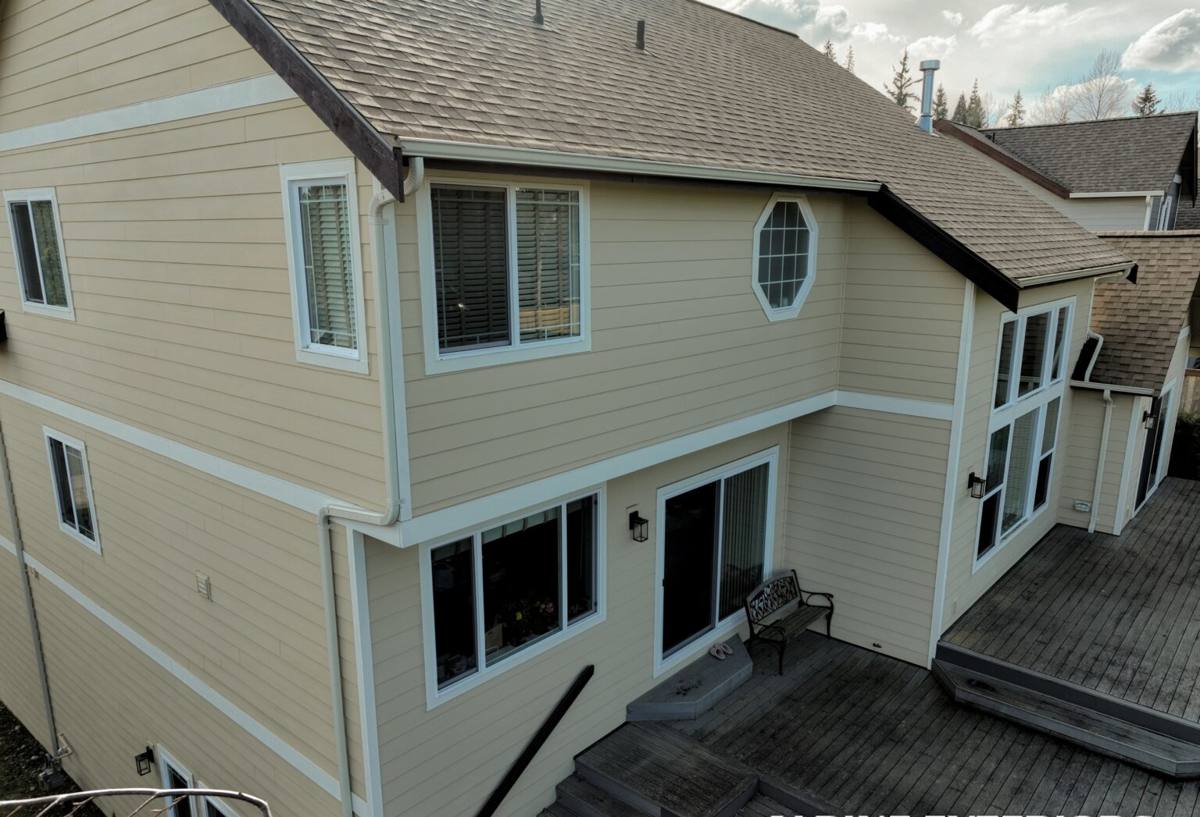
What Sarasota's Climate Demands From This Siding
Hurricane-Force Wind
Sarasota County sits in a wind-borne debris region, and every board and batten installation on a Downtown Sarasota home has to be fastened and flashed to resist sustained high winds, not just rated for them on paper. Vertical battens create additional edges and fastening points that can become failure points if the layout, fastener spacing, or panel attachment doesn't follow manufacturer engineering. Loose or improperly fastened battens are one of the first things that peel off in a strong storm.
Intense, Year-Round UV
Florida sun is relentless on painted surfaces. Board and batten's vertical battens create shadow lines and more exposed edge surface than flat lap siding, and any paint or coating that isn't engineered for this UV load will chalk, fade unevenly, and need repainting far sooner than a homeowner expects — especially on south- and west-facing walls that catch direct sun most of the day.
Wind-Driven Rain
Coastal storms in this area don't just drop rain straight down — they drive it sideways into wall assemblies. Board and batten's vertical seams and batten-to-panel joints are natural pathways for wind-driven moisture if the weather-resistive barrier, flashing, and gapping underneath aren't detailed correctly. This is the single biggest difference between a board and batten job that lasts and one that doesn't.
Salt Air and Humidity
Downtown Sarasota's proximity to the bay and Gulf means siding, fasteners, and trim are exposed to salt-laden air even blocks from the water. Salt air accelerates corrosion in fasteners and metal flashing and speeds up the breakdown of materials that aren't built to resist it. Combined with Florida's year-round humidity, any siding material with poor moisture tolerance is working against the odds here from day one.
Why We Install James Hardie Board & Batten and Nothing Else
We standardized on James Hardie fiber cement for every siding job we do, board and batten included, because it's engineered specifically for climates like this one. Hardie's board and batten systems — built from HardiePanel vertical siding with HardieTrim battens — are non-combustible, dimensionally stable in heat and humidity, and backed by a factory-applied ColorPlus finish baked on under controlled conditions rather than field-sprayed. That finish is formulated to resist the UV fade and moisture intrusion that plague field-painted materials in Florida.
We don't install wood board and batten, vinyl, LP SmartSide, Cemplank, Allura, or primed spruce. Each of those has its place in a general contractor's toolkit, but we've made board and batten our specialty in one material because we've seen how the alternatives perform over time in this climate — the maintenance burden, the moisture sensitivity, or the installation tolerances just don't hold up as well as Hardie does when installed to spec. Standardizing on one system also means our crews install it constantly, rather than switching between products and re-learning details on every job.
What a Correct Board & Batten Installation Involves
Substrate and Weather-Resistive Barrier
Everything starts underneath the siding. The wall sheathing needs to be sound, and a code-compliant weather-resistive barrier goes on before any panel is hung. In a wind-driven rain climate, this layer is the actual waterproofing system — the siding sheds most of the water, but the barrier behind it is what stops anything that gets past the panels from reaching the framing.
Panel Layout and Fastening
HardiePanel is installed with manufacturer-specified fastener type, spacing, and edge distance — not "close enough." Batten placement needs to align with panel seams and framing so every batten is actually fastened into structural backing, not just decoratively nailed to the panel face. This is where hurricane-region wind resistance is won or lost.
Gapping and Caulking
Fiber cement expands and contracts slightly with temperature and humidity. Hardie's installation instructions call for specific gaps at panel joints, trim, and penetrations, sealed with a high-quality sealant rated for the application — not caulked solid edge-to-edge, which traps moisture and can cause buckling.
Flashing at Every Penetration
Windows, doors, hose bibs, light fixtures, and any other wall penetration need proper flashing integrated with the weather barrier before the siding goes on. On a board and batten wall, these details take more care because the vertical battens change how water sheds around each penetration compared to standard lap siding.
Comparing Board & Batten Material Options
Homeowners researching board and batten for a Sarasota-area home usually come across several material options. Here's an honest comparison of how they hold up under Gulf Coast conditions:
| Material | Wind/Storm Performance | Moisture & Salt-Air Tolerance | Maintenance |
|---|---|---|---|
| James Hardie fiber cement | Engineered and rated for high-wind regions when installed to spec | Non-combustible, dimensionally stable, factory finish resists moisture intrusion | Low — periodic washing, no repainting for years |
| Wood (cedar, primed spruce) | Depends on fastening; battens can loosen over time | Absorbs moisture, prone to rot and insect damage in humid coastal air | High — regular repainting, sealing, and repair |
| Vinyl board and batten | Can crack or blow off in sustained high wind | Doesn't rot, but seams and fasteners are vulnerable points | Low, but limited repair options if damaged |
| Other fiber cement brands | Varies by product line and local wind engineering | Varies — factory finish quality and warranty coverage differ by manufacturer | Depends on finish quality and installation |
Our Process for Downtown Sarasota Projects
We start with an on-site look at the home — the existing wall condition, any moisture issues already present, window and door details, and how much of the exterior is being resided versus accented with board and batten. From there we put together a clear, itemized estimate before any work begins, so there are no surprise change orders mid-project.
Once a project is approved, we handle the permitting that Sarasota County and the City of Sarasota require for exterior siding work, remove and properly dispose of the old siding, address any sheathing or moisture damage we find underneath before it gets covered up again, and install the weather barrier, panels, battens, and trim according to Hardie's specifications for our wind zone. We clean the site daily and do a final walkthrough with the homeowner before calling the job complete.
Older homes in and around Downtown Sarasota sometimes fall under neighborhood or historic design guidelines. We work with homeowners to select trim profiles, batten spacing, and colors that meet those requirements while still giving them a durable, correctly installed siding system.
Maintaining Board & Batten Siding in This Climate
Hardie board and batten is low-maintenance compared to wood, but "low-maintenance" doesn't mean "no maintenance" — especially this close to the bay. A short annual routine keeps it performing the way it's designed to:
- Rinse the siding with a garden hose or soft wash a couple of times a year to clear salt residue, pollen, and grime — avoid high-pressure washing, which can force water behind panels
- Inspect caulking at trim, windows, and penetrations annually and re-seal any joints that have cracked or pulled away
- Look at batten fasteners and edges after any major storm for signs of loosening or impact damage
- Keep sprinklers and irrigation heads from spraying directly on the siding, which accelerates wear at the bottom courses
- Trim back landscaping that holds moisture against the wall or shades panels enough to encourage mildew growth
- Address any small chips or scratches in the ColorPlus finish promptly using Hardie-approved touch-up products
Why a Crew That Already Works Downtown Sarasota Matters
Board and batten installed to a generic national spec is not the same as board and batten installed for a home three blocks from Sarasota Bay. A crew that regularly works Downtown Sarasota already understands the wind zone requirements that apply here, has relationships with the local permitting offices, and has seen firsthand how salt air, humidity, and storm exposure affect siding on homes just like this one. That local experience shows up in the details — fastener choices, flashing sequencing, batten spacing — that don't always make it into a manufacturer's general installation guide but matter enormously in this specific environment.
If you're considering board and batten siding for a home in Downtown Sarasota, we're happy to take a look and put together a straightforward, no-pressure estimate. Use the form below to get started.