 Sarasota Siding
 Board & Batten Siding in Palmer Ranch: Built for the Climate, Not Just the Look
Board and batten has become one of the most requested siding styles in Palmer Ranch, and it's easy to see why. The vertical lines read as clean and modern on newer builds, and they pair naturally with the coastal and Florida vernacular architecture found throughout many Sarasota County communities. But board and batten is also one of the least forgiving siding styles when it's installed wrong. The same vertical seams and raised battens that give it that distinctive look create more edges, more fastener points, and more places for water to find a way in than a standard lap profile does. In a climate like Sarasota's — hurricane-force wind gusts, wind-driven rain that hits walls sideways instead of straight down, intense year-round UV, and salt air drifting in off the Gulf — those details are not cosmetic. They decide whether the siding lasts twenty-plus years or starts failing at the seams within five.
This page is about that one job, done right, in Palmer Ranch specifically: what the style requires structurally, what correct installation actually looks like, and why the material and the crew you choose matter more here than in a milder climate.
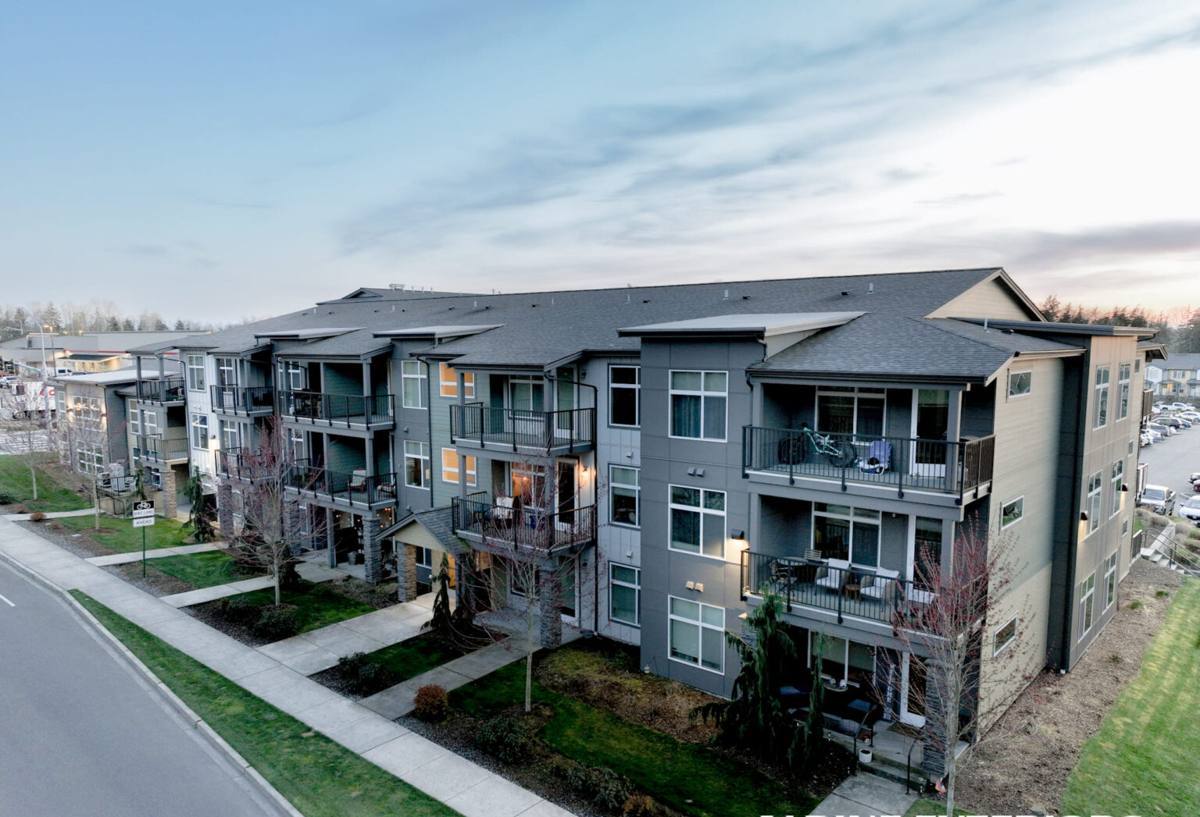
What Board and Batten Siding Actually Is
Board and batten is a vertical siding pattern made of wide flat panels or boards with narrow strips — the "battens" — installed over the seams between them. It's not a material; it's a configuration. You can build it out of wood, vinyl, engineered wood, or fiber cement, and the material you choose changes almost everything about how it performs over time.
The Two Ways to Build a Board & Batten Wall
There are two common approaches, and the difference matters:
- True board and batten: individual vertical boards installed edge to edge, with a batten strip covering each seam. More labor, more fasteners, more seams to detail correctly.
- Panel-and-batten system: wide vertical panels (commonly 4 feet on center) with battens applied over the panel joints, reducing the number of raw seams that need flashing and sealing.
We install James Hardie's engineered panel-and-batten system almost exclusively, because it cuts down the number of vulnerable seams on the wall without sacrificing the look, and because the panels are manufactured to a consistent thickness and moisture spec that field-cut boards can't guarantee.
What Sarasota's Climate Actually Demands From This Style
Palmer Ranch sits close enough to the Gulf that homes here deal with a combination of stresses that inland siding jobs simply don't see. Board and batten's vertical seams put every one of these to the test.
Wind-Driven Rain and Moisture Management
In a normal rain, water runs down a wall. In a Sarasota storm, wind pushes rain sideways and upward into laps, seams, and fastener holes. Board and batten has more vertical seams than lap siding, and each one is a potential entry point if it isn't backed with a proper drainage plane, correctly lapped house wrap, and the right fastener pattern. A wall that looks finished from the street can still be trapping moisture behind it if the batten spacing, panel gaps, and flashing details were rushed.
Intense, Year-Round UV
Florida's sun is harder on exterior finishes than almost anywhere else in the continental U.S. Paint film breaks down faster, boards can dry out and crack, and unprotected wood grain can telegraph through a finish within a few seasons. Any material used for board and batten in this climate needs a finish system engineered to hold color and film integrity under constant sun, not just an average exterior paint job.
Salt Air and Coastal Corrosion
Palmer Ranch isn't right on the beach, but it's close enough that airborne salt is a real factor, especially with onshore winds off the Gulf. Salt air accelerates corrosion in fasteners and trim hardware and speeds up the breakdown of lower-grade coatings. Every metal component in a board and batten installation — nails, flashing, trim fasteners — needs to be rated for coastal exposure, not just standard exterior use.
Hurricane Wind Loads
Sarasota County's wind zone requirements exist because they reflect real storm history. Vertical siding has more edges that wind can catch and lift if fastening spacing and penetration depth aren't correct. Wind uplift doesn't just tear off siding — a partial failure during a storm exposes the wall assembly behind it to hours of driving rain, which is often where the real damage happens.
Why We Install Board & Batten Only in James Hardie Fiber Cement
We don't offer board and batten in vinyl, LP SmartSide, primed spruce, or cedar. That's a deliberate standard, not a lack of options. Each of those materials has legitimate strengths, but none of them holds up to Sarasota's specific combination of wind, UV, and moisture as consistently as engineered fiber cement over the long term.
| Factor | James Hardie Fiber Cement | Vinyl Board & Batten | Wood / Engineered Wood |
|---|---|---|---|
| Hurricane wind performance | Engineered and tested for high-wind regions | Can deform, crack, or blow off in sustained high wind | Depends heavily on fastening; prone to splitting under wind load |
| Moisture / rot risk in humid climate | Non-organic core resists rot; engineered for wet climates | Won't rot, but seams and J-channels trap moisture behind the panel | Highest risk — organic material, prone to swelling and rot if any seam fails |
| UV / fade resistance | ColorPlus factory finish resists fading and chalking | Color is baked into the material but can chalk and warp under heat | Field-applied paint or stain breaks down fastest under constant sun |
| Salt air durability | Fiber cement core is inert; unaffected by salt exposure | Plastic can become brittle over time in coastal UV/salt exposure | Most vulnerable — salt accelerates wood decay and finish failure |
| Fire behavior | Non-combustible | Combustible | Combustible |
| Typical maintenance | Periodic wash, occasional caulk check | Low, but panels can crack and are hard to color-match when repaired | Regular repainting/restaining and rot inspection |
We're not saying vinyl or wood board and batten is a bad product everywhere — plenty of homes in milder climates do fine with them. But for a Palmer Ranch home taking direct hits from Gulf-driven storms, salt air, and year-round sun, we've made James Hardie our floor, not our upsell. It's the only material in this comparison engineered specifically around the trade-offs this climate creates.
Our Board & Batten Installation Process for Palmer Ranch Homes
The look of board and batten is simple. Getting the wall assembly behind it right takes more steps than most homeowners expect, and skipping any one of them is where failures start.
1. Wall Assessment and Moisture Check
Before any siding comes off, we check the existing wall for hidden moisture damage, especially around windows, doors, and roof-wall intersections — common failure points on any home, but ones we watch closely given how much wind-driven rain this area sees.
2. House Wrap and Drainage Plane
A correctly lapped weather-resistant barrier goes down first, with a drainage gap behind the panels so any moisture that does get past the siding has somewhere to go instead of sitting against the wall sheathing.
3. Panel Layout and Batten Spacing
We plan panel and batten spacing before the first piece goes up, so seams land where they can be properly flashed and battens are spaced evenly for both structural coverage and a clean finished look.
4. Fastening to Wind-Rated Spec
Fastener type, spacing, and penetration depth follow Hardie's published installation instructions for high-wind regions, matched to Sarasota County's wind zone requirements — not a generic nailing pattern.
5. Flashing and Trim Detail
Every window, door, and roof intersection gets properly integrated flashing so water is directed out and away from the wall assembly, not just caulked and hoped over.
6. Final Finish and Walkthrough
Because we use ColorPlus factory-finished panels, there's no field painting required to protect the siding — the color and protective coating are baked on before the panels ever reach the job site. We finish with a walkthrough covering care and what to expect over the coming years.
Why Local Experience in Palmer Ranch Matters
Palmer Ranch is a large, well-established planned community, and many of its neighborhoods are governed by homeowners' associations with architectural review requirements — siding color, style, and sometimes even batten spacing can be subject to HOA approval before work starts. A crew that regularly works in the area knows to check that early instead of after materials are ordered. Local experience also means familiarity with Sarasota County permitting and wind zone requirements, and a realistic sense of how the sun angle, prevailing wind direction, and tree cover on a given lot affect which walls take the most weather. That's not something a crew coming in from outside the area picks up on the first visit.
Maintenance and What to Expect After Installation
One advantage of a correctly installed James Hardie board and batten system is how little upkeep it demands compared to wood or field-painted alternatives. There's no repainting cycle to plan around. Maintenance is mainly periodic:
- Rinse the siding occasionally to keep salt residue and airborne debris from building up.
- Inspect caulking at trim and penetration points every year or two, since caulk is the one component that does age faster than the panels themselves.
- Walk the exterior after major storms to check for any impact damage or fastener issues, especially on wind-exposed elevations.
- Keep landscaping trimmed back from the siding to maintain airflow and reduce trapped moisture at the base of walls.
None of this is heavy maintenance — it's the kind of routine check that catches small issues before they become expensive ones.
Is Board & Batten Right for Your Palmer Ranch Home?
Board and batten isn't the right fit for every house, and it's worth thinking through before committing to it over a standard lap profile.
- Do you want the vertical, more contemporary or coastal look versus traditional horizontal lap siding?
- Does your HOA's architectural guidelines (if applicable) permit or restrict board and batten styling?
- Is the home fully board and batten, or are you considering it as an accent on gables, dormers, or a porch area paired with lap siding elsewhere?
- Are you prepared for the fact that vertical siding requires more precise installation than lap siding, which affects labor time and cost?
- Is your current siding failing at seams or trim in a way that suggests moisture issues that need to be addressed before new siding goes on?
If you're weighing board and batten against other siding styles for a Palmer Ranch home, we're glad to walk through the trade-offs honestly, including where it isn't the best fit.
If you're considering board and batten siding for a home in Palmer Ranch, we'd be glad to take a look and talk through what the job would actually involve for your specific house. Reach out using the form below for a free, no-pressure estimate.