 Sarasota Siding
 Deck Building for Bradenton's Gulf Coast Conditions
Bradenton sits just north of Sarasota along Florida's Gulf Coast, and homes there face the same weather pressures we deal with across the region: intense year-round UV, sudden wind-driven rain, salt-laden air off the water, and the real possibility of hurricane-force wind. A deck built without those conditions in mind will look fine for a season or two, then start showing problems that are expensive to fix after the fact. A deck built for them holds up quietly for years.
We work on decks throughout the Sarasota and Bradenton area regularly, which means we're not guessing at what this climate does to lumber, fasteners, and finishes over time. This page covers what we've learned building and repairing decks in this specific environment, so you know what to expect and what to ask for before you hire anyone.
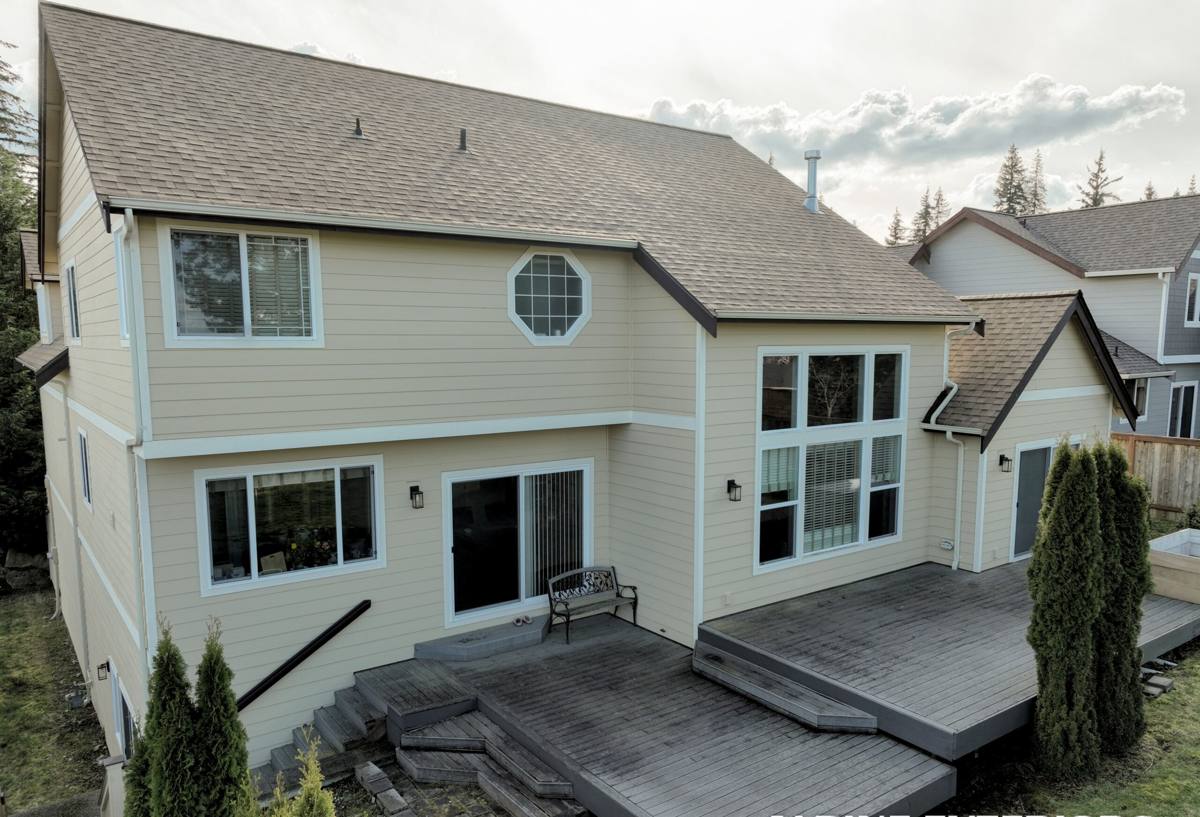
What the Local Climate Does to a Deck Over Time
Every part of a deck build gets tested by this climate eventually. Understanding the specific stress points helps explain why some of our choices differ from what a generic deck-building guide might recommend.
Intense, Year-Round UV
Florida sun isn't seasonal the way it is up north. Horizontal surfaces like deck boards take a near-constant UV load, which breaks down wood fibers, fades stains and dyed composite colors unevenly, and dries out sealants faster than manufacturers' general climate estimates assume. Boards that aren't properly sealed or that use a finish rated for milder climates will gray, splinter, or check years ahead of schedule.
Wind-Driven Rain and Humidity
Storms here don't just drop rain straight down; wind pushes it sideways, up under rail caps, and into any gap where flashing or fastening was done carelessly. Combine that with our humidity, and any water that gets trapped against framing or behind ledger boards stays wet far longer than it would in a drier climate, which is exactly the condition that leads to rot and hidden structural decay.
Salt Air and Metal Corrosion
Being close to the Gulf means airborne salt travels further inland than most homeowners expect. Ordinary galvanized fasteners, brackets, and screws that would last decades elsewhere can start rusting and staining decking within a couple of years here. Corrosion isn't just cosmetic — a rusted joist hanger or fastener is a weaker one.
Hurricane-Force Wind Loads
Florida's building code accounts for wind uplift and lateral loads for good reason. Railings, guard posts, and the deck's connection to the house all need to be built to resist wind forces, not just support foot traffic. This is one of the most common places we find older or poorly built decks falling short during an inspection.
What a Correctly Built Deck Requires in This Climate
A deck that's going to hold up here needs a few things done right at the structural level, before any decking board goes down. These aren't upgrades — they're the baseline for building correctly in this environment.
Ledger Attachment and Flashing
Where a deck attaches to the house is the single most common failure point we see, especially on decks not originally built for coastal humidity. Proper flashing keeps wind-driven rain from working its way behind the ledger board and into the house's wall framing. This detail is invisible once the deck is finished, which is exactly why it's the detail worth asking a contractor about directly.
Footings and Post Attachment
Footing depth and post-to-footing connections need to meet local wind load requirements, not a generic national minimum. Post bases should be mechanically anchored, not just set in concrete and left to friction, so the structure resists uplift and lateral movement in a storm.
Fasteners and Hardware
Given the salt air issue above, we use stainless steel or coated fasteners and connectors rated for coastal exposure throughout the structure, not just on visible surfaces. It costs more up front than standard hardware. It's also the difference between hardware that's still sound in ten years and hardware that's staining your decking with rust by year three.
Choosing the Right Decking Material
There's no single correct material for every deck — it depends on budget, how much upkeep you want to take on, and how the deck will be used. Here's how the common options actually perform under Bradenton's sun, humidity, and salt air.
| Material | Upfront Cost | Maintenance | Coastal Climate Behavior |
|---|---|---|---|
| Pressure-treated pine | Lowest | Annual cleaning, periodic sealing/staining | Affordable and repairable, but UV and humidity will show wear faster without consistent upkeep |
| Tropical hardwood | High | Regular oiling to maintain color | Naturally dense and rot-resistant, but requires real ongoing maintenance to stay looking good in full sun |
| Capped composite | Mid-to-high | Occasional washing, no sealing or staining | Strong UV and moisture resistance; a solid fit for low-maintenance coastal use |
| PVC decking | Highest | Occasional washing | Fully synthetic, doesn't absorb moisture, holds up well to sun and salt air over the long term |
Whatever material you choose, the hardware and framing underneath should be built to the same coastal standard — a premium deck board fastened with the wrong hardware still fails early.
Our Deck Building Process
Assessment and Design
We start by looking at the site itself: how the deck ties into the house, drainage and grade, sun exposure, and what you actually want to use the space for. Design decisions — size, layout, railing style, material — get made with your budget and this climate in mind from the start, not adjusted after the fact.
Permitting and Code Compliance
New deck construction in this area requires a permit and has to meet Florida's wind load and structural code requirements. We handle the permitting process and build to code as a matter of course, not as an upsell — it's what protects you if you ever sell the house or need to file an insurance claim down the road.
Construction and Inspection
We build in a sequence that keeps flashing, framing, and fastening details correct at each stage, since most of what makes a deck last is invisible once it's finished. The work goes through required inspections along the way, so there's a record that it was built to code, not just built to look finished.
Railings and Structural Details That Matter Here
Railings take direct wind load and salt exposure, so they're not just a finishing touch. Guard post connections need to be solid enough to resist lateral force, and railing hardware should match the same coastal-rated standard as the rest of the structure. If you're adding cable rail, aluminum, or glass panel systems for a more open view, the connection points matter even more, since those systems rely on fewer, more heavily loaded attachment points.
Here's a quick list of what to look for, or ask about, on any deck build in this area:
- Flashing at the ledger board where the deck meets the house
- Stainless or coated fasteners and connectors throughout, not just on visible surfaces
- Mechanically anchored post bases, not posts set loose in concrete
- Railing and guard post connections built for wind load, not just foot traffic
- A decking material matched honestly to your maintenance expectations
- A permit and inspection record for the finished structure
Keeping a Coastal Deck in Good Shape
Even a well-built deck needs some routine attention in this climate. None of it is complicated, but skipping it is how small issues turn into structural ones.
- Rinse off salt residue and debris periodically, especially after storms
- Check fasteners and hardware yearly for rust staining or looseness
- Reseal or restain wood decking on the schedule the product actually needs in full sun, not a generic yearly guess
- Keep gutters and downspouts clear so runoff isn't draining directly onto or under the deck
- Look underneath the deck occasionally for signs of moisture, rot, or pest activity near the ledger and framing
Why a Crew That Already Works in Bradenton Makes a Difference
Anyone can build a deck that looks good on the day it's finished. Building one that's still solid in ten years, in this specific climate, comes down to details most homeowners never see once the boards are down — the flashing behind the ledger, the grade of hardware inside the frame, the footing depth for local wind loads. A crew that regularly works decks in the Sarasota and Bradenton area isn't learning those lessons on your project; we've already built to this climate's requirements many times over.
That local familiarity also means fewer surprises during permitting and inspection, since we're building to the same wind load and code requirements every time, not adapting a build plan from a different climate on the fly.
If you're planning a new deck or replacing one that's showing its age, we're happy to take a look and walk you through your options. Reach out for a free, no-pressure estimate using the form below.