 Sarasota Siding
 Downtown Sarasota's Roofs Work Harder Than Most
A roof over Downtown Sarasota takes on a combination of stresses that most inland Florida homes never see. You've got hurricane-force wind gusts rolling in off the Gulf and Sarasota Bay, punishing UV exposure nearly every day of the year, wind-driven rain that gets pushed sideways under flashing and around vents, and salt air that quietly corrodes metal fasteners, flashing, and drip edge faster than it would twenty miles inland. None of these show up as one dramatic failure most of the time — they show up as a slow leak, a cracked tile, a lifted shingle tab, or a rusted-through valley that finally lets water in during the next heavy storm.
Downtown Sarasota's housing stock is also a mix — older bungalows and mid-century homes with original roof framing, newer infill construction, and condos and townhomes with low-slope sections mixed in with sloped roofing. That variety matters, because a repair that's correct on a 1970s shingle roof isn't necessarily correct on a barrel tile roof or a flat membrane section. This page is about roof repair specifically — patching, fixing, and restoring what's already on your house — not a full tear-off and replacement.
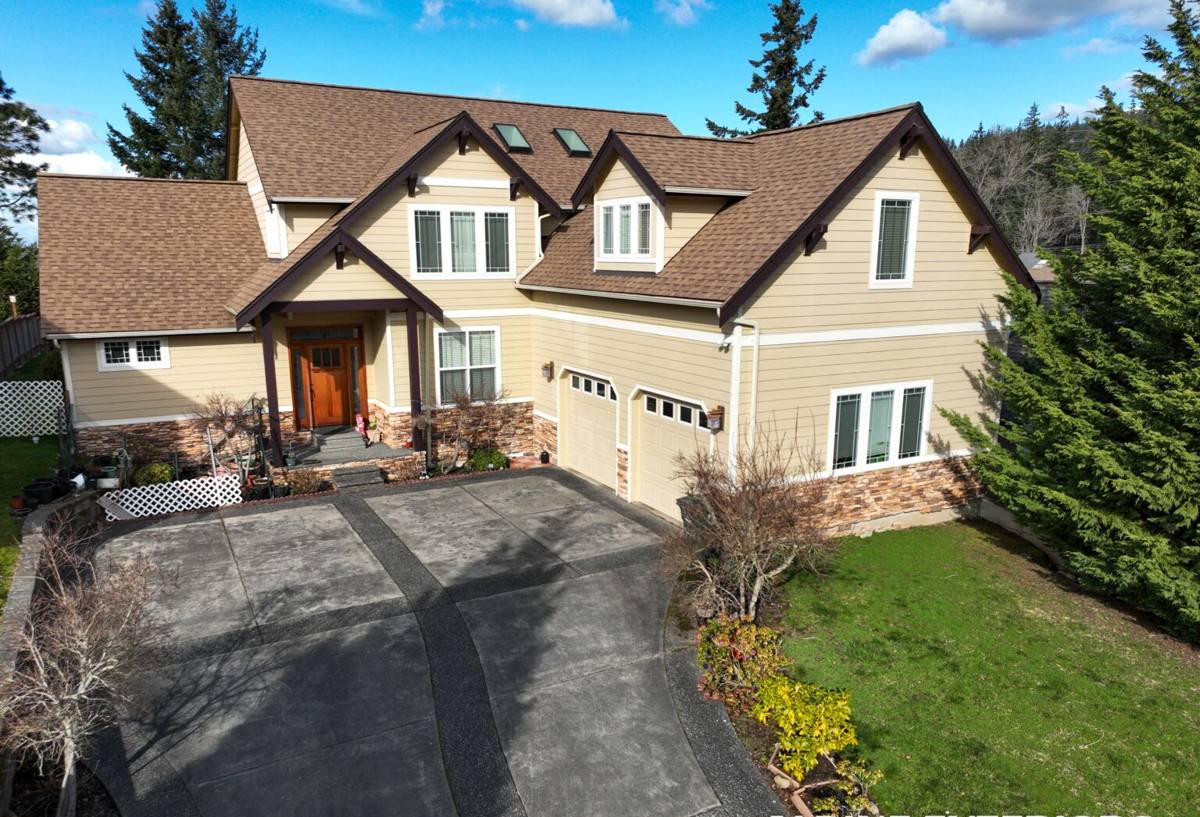
Repair vs. Replacement: Getting the Call Right
The most important thing an honest roofer does on a repair call is tell you the truth about whether a repair is actually the right answer. Roofing is one of the easiest trades to oversell in — and one of the easiest to undersell in, too, where a contractor patches around a problem that really needs a broader fix. We look at three things before recommending anything:
How old is the roofing material?
A ten-year-old architectural shingle roof with one storm-damaged section is a repair. A twenty-two-year-old shingle roof with the same damage, granule loss across the field, and curling tabs nearby is telling you the whole roof is near end-of-life — a patch there is a short-term fix, not a real solution.
Is the damage isolated or systemic?
One cracked tile from a falling branch is isolated. Multiple cracked tiles plus soft spots in the underlayment when we walk the roof is systemic — the tile itself may be fine, but what's underneath it has failed.
What's happening below the roofline?
Staining on an interior ceiling, soft decking felt underfoot, or daylight visible in the attic changes the scope. A surface repair over compromised decking doesn't hold.
Common Repair Calls We See Downtown
Every roof type common to Downtown Sarasota fails in its own way. Knowing the pattern helps us diagnose faster and fix the actual cause instead of just the symptom.
| Roof Type | Typical Problem | Usual Cause |
|---|---|---|
| Asphalt shingle | Lifted or missing tabs, granule loss, nail pops | Wind uplift, UV breakdown, age |
| Barrel/clay or concrete tile | Cracked or slipped tiles, leaks at valleys and penetrations | Impact from debris, deteriorated underlayment, foot traffic |
| Standing seam / metal | Fastener backout, seam separation, rust at cut edges | Thermal movement, salt air corrosion, wind flex |
| Flat or low-slope (condo/townhome sections) | Ponding water, membrane seam failure, blistering | Poor drainage slope, UV degradation, age of membrane |
Flashing failure deserves its own mention because it's the single most common source of leaks we find on repair calls, regardless of the roofing material above it. Flashing around chimneys, skylights, pipe boots, and roof-to-wall transitions is metal or rubber doing a hard job in salt air and heat — it wears out well before the field roofing does, and it's often the real cause of a "roof leak" that homeowners assume means the whole roof has failed.
How We Approach a Repair
1. Inspect the whole roof, not just the reported spot
A leak inside the house rarely shows up directly below the actual entry point on the roof — water travels along decking and rafters before it drips. We inspect the full roof plane, not just where you're seeing a stain, so we're fixing the source and not chasing symptoms.
2. Check what's underneath
Where we can safely access it, we check the decking and underlayment condition around the damaged area, not just the visible tile or shingle. A repair over soft or rotted decking won't last regardless of how well the surface work is done.
3. Match materials correctly
Repairs get sealed with the right fastener type and flashing metal for coastal exposure, and shingle or tile replacement pieces are matched as closely as possible to the existing roof in profile and color so the repair doesn't stand out.
4. Test before we leave
Flashing and seam repairs get checked for proper lap and seal before the job is called done. A repair that looks right but wasn't tested is how callbacks happen.
Materials: Why Coastal-Grade Matters Here
Standard hardware-store fasteners and flashing that would be fine forty miles from the coast don't hold up the same way in Downtown Sarasota's salt air. We use corrosion-resistant fasteners and flashing appropriate for coastal exposure on repairs, not just whatever's cheapest, because a repair done with the wrong-grade materials tends to fail again in a few years — right around the next flashing seam or fastener that rusted through.
On tile roofs specifically, repairs need to account for how the tile was originally set. Mortar-set and foam-set tile each require a different approach to safely lift, replace, and reseat tile without cracking neighboring pieces, and matching an existing tile profile matters both for weather performance and for keeping the roof looking consistent.
What Affects the Cost of a Roof Repair
| Factor | Why It Matters |
|---|---|
| Roof access | Steep pitch, tight downtown lots, or nearby power lines can require extra staging or ladder work |
| Roofing material | Tile and standing seam repairs generally take more time and skill than shingle repairs |
| Extent of hidden damage | Decking or underlayment replacement adds material and labor beyond the surface fix |
| Number of penetrations involved | Every vent, pipe boot, and skylight in the repair area adds its own flashing work |
| Material matching | Older or discontinued tile and shingle profiles can take longer to source |
Most straightforward roof repairs — a section of storm-damaged shingles, a handful of cracked tiles, or a failed flashing point — land in a modest range that's a fraction of replacement cost. Repairs involving decking replacement or multiple problem areas cost more, which is exactly why an honest inspection up front matters: it lets you make that call with real information instead of guessing.
Between Repairs: What Homeowners Can Do
Most emergency roof calls in Downtown Sarasota are preventable with basic seasonal attention. This is a practical list, not a sales pitch — most of it costs nothing but time.
- Walk the yard after any storm and look for shingle granules in gutters or tile fragments on the ground
- Keep tree limbs trimmed back from the roofline — overhanging branches are a leading cause of impact damage and constant debris buildup
- Clear gutters and valleys of leaves and debris before hurricane season, since clogged drainage backs water up under roofing edges
- Check the attic (if accessible) after heavy rain for new staining, damp insulation, or daylight at penetrations
- Have flashing around chimneys, skylights, and vents visually checked every year or two — it fails long before the roofing field does
- Don't ignore a small ceiling stain — a minor leak found early is a repair; the same leak found a year later is often a decking replacement
Why It Matters to Hire a Crew That Already Works Downtown
Downtown Sarasota has its own practical realities that a crew unfamiliar with the area has to learn on your dime. Lots are often tight, parking for a work truck and material staging can be limited, and some properties fall within historic districts or under HOA and condo association guidelines that affect what roofing changes are allowed — even for a repair. A crew that regularly works downtown already knows how to plan access on a narrow lot, what a historic-district or HOA review typically expects, and how to keep a repair job efficient without disrupting a dense neighborhood.
Local experience also means faster diagnosis. A crew that's repaired dozens of roofs in the same few square miles of Sarasota has seen how this specific climate — the salt air, the wind exposure, the intense sun — ages the same roofing materials over and over, and that pattern recognition speeds up an accurate diagnosis instead of a guess.
Get an Honest Look at Your Roof
If you've got a leak, storm damage, cracked tile, or a section of roof that just doesn't look right, we're happy to come take a look and tell you plainly what's going on — repair, monitor, or something bigger. Request a free, no-pressure estimate using the form below and we'll get a local crew out to assess it.