 Sarasota Siding
 Why Window Installation Is Different in Downtown Sarasota
Downtown Sarasota sits close enough to the water that every window on a home is doing real structural work, not just letting in light. Hurricane-force winds test the frame and anchoring. Wind-driven rain finds every gap in flashing and sealant. Year-round UV bakes vinyl, fades finishes, and breaks down weatherstripping years before it would in a drier, cooler climate. Add salt air drifting in off the bay and Gulf, and you've got a slow, steady attack on hardware, fasteners, and any metal that wasn't chosen with corrosion in mind. A window that's "fine" in most of the country can fail fast here if it isn't installed correctly for this specific environment.
That's the core of what this page is about: not windows in general, but window installation done right for a Downtown Sarasota home, in Sarasota County, under Florida's building code and this coastal climate.
What Downtown Sarasota's Building Stock Means for Your Windows
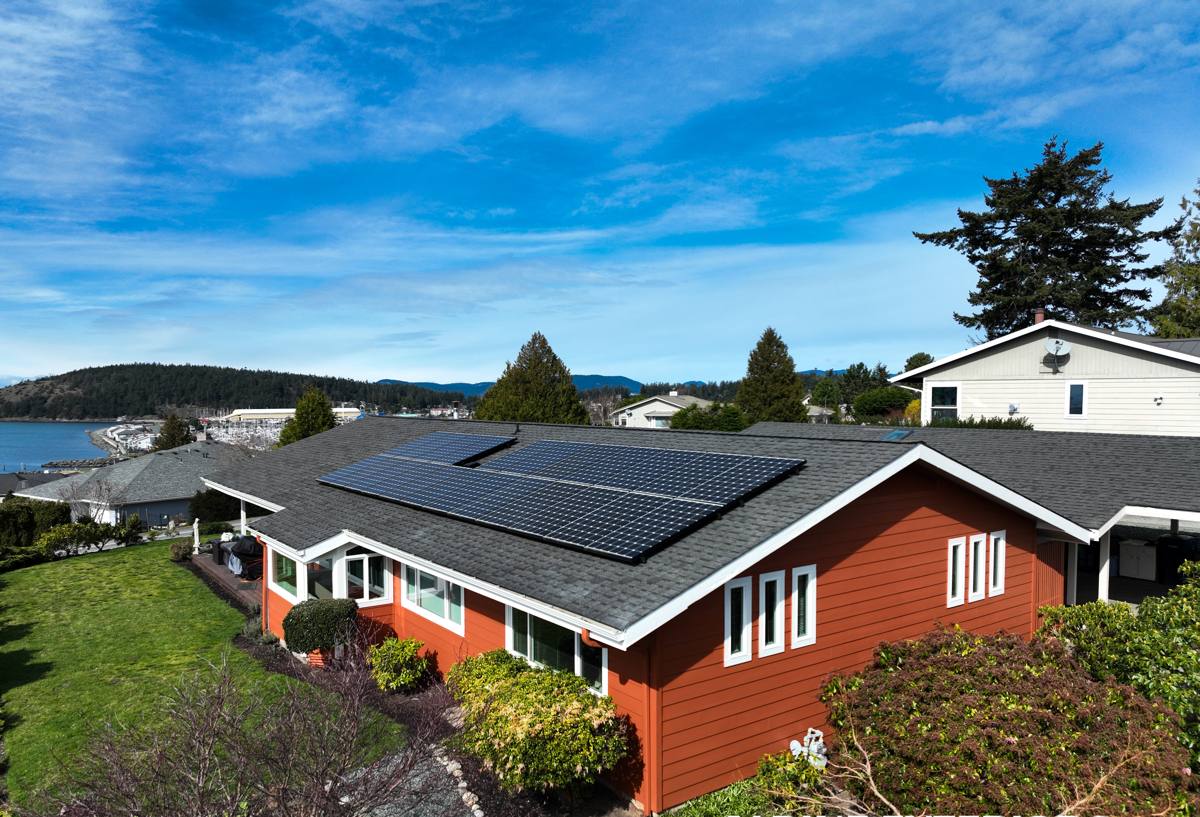
Downtown Sarasota isn't one type of housing — it's a mix, and that mix matters for how a window installation gets planned. Older bungalow and cottage-style homes near the core often have wood-frame construction and original window openings that were never built to modern wind-load standards. Mid-century homes may have masonry or block walls with openings that have already been resized once or twice over the decades. Newer infill construction and townhomes are typically concrete block or engineered framing, built closer to current code but not automatically exempt from doing the installation correctly. And condo and mid-rise buildings downtown add a layer most single-family homeowners never deal with: shared walls, building-wide aesthetic standards, and an association that has to approve the work before it starts.
Before we quote anything, we look at what we're actually working with — wall construction, existing rough opening condition, whether the home has settled or shifted over the years, and whether prior renovations left anything hidden behind the trim that needs to be addressed before a new window goes in.
Florida Building Code, Wind Zones, and What "Correct" Installation Requires
Sarasota County falls under Florida's high-velocity wind provisions, which means replacement windows aren't a simple swap-and-caulk job. Each window has to meet a design pressure rating appropriate to its location on the home — corner units and upper floors typically see higher wind loads than a sheltered ground-floor opening — and it has to carry a valid Florida Product Approval or Miami-Dade Notice of Acceptance (NOA) number showing it was tested for wind and impact resistance.
Impact-Rated vs. Protected Non-Impact Windows
Homeowners have two code-compliant paths: install impact-rated windows (laminated glass that stays intact under wind-borne debris impact) or install standard windows paired with separate approved storm protection like shutters or panels. Both are legal. They come with real tradeoffs in daily convenience, insurance treatment, and long-term cost, which we'll walk through honestly rather than pushing one option because it's what we happen to stock.
Permitting in the City of Sarasota
Window replacement in Downtown Sarasota requires a building permit and inspection — this isn't optional paperwork, it's what confirms the installation actually meets the wind and water standards your home needs. Skipping it, or hiring someone who skips it, can cause real problems later: at resale, with insurance claims after a storm, or if the work has to be redone to pass inspection anyway. We pull the permit, schedule the inspection, and handle that process as a normal part of the job.
Choosing the Right Window for Salt Air and UV
Frame material and glass package matter more here than in most of the country, because the environment is actively working against cheap hardware. Aluminum frames without a marine-grade finish can corrode at the fasteners. Lower-grade vinyl can warp or discolor under sustained UV. Glass coatings that aren't rated for high-UV exposure lose their performance faster than advertised.
| Frame Material | Salt Air / Coastal Performance | Typical Tradeoff |
|---|---|---|
| Vinyl (impact-rated, quality grade) | Good — won't corrode, low maintenance | Can flex under extreme heat if lower-grade; quality varies widely by manufacturer |
| Aluminum (marine/coastal-rated) | Strong if properly coated; poor if not | Requires the right finish and hardware — cheap aluminum corrodes fast near the coast |
| Fiberglass | Excellent — very stable, resists corrosion and UV | Higher upfront cost than vinyl |
| Wood (clad or unclad) | Poor to fair without diligent maintenance | Needs regular upkeep in salt air and humidity; not our first recommendation this close to the coast |
Glass matters just as much as frame. Impact-rated laminated glass with a low-E coating cuts UV transmission significantly, which helps protect flooring and furniture from fading and keeps cooling costs down through Sarasota's long, intense summer. We'll walk you through the glass package options for your specific budget rather than defaulting to whatever's easiest to install.
What a Correct Installation Actually Involves
The window itself is only part of the job. Most window failures we get called to fix — leaks, drafts, water intrusion during storms — trace back to installation shortcuts, not a bad product. A correct installation includes:
- Removing the old window and inspecting the rough opening for rot, corrosion, or moisture damage before anything new goes in
- Correcting the opening — resizing, reframing, or repairing substrate as needed rather than forcing a new window into a compromised opening
- Installing flashing and a weather-resistant barrier that integrates with the wall system, not just caulk around the edges
- Anchoring the window per the manufacturer's tested installation instructions and the applicable design pressure rating — anchor type, spacing, and embedment all matter
- Shimming correctly so the frame isn't under stress, which affects both operation and long-term seal integrity
- Sealing with the right sealant for the substrate and exposure, inside and out
- Confirming proper drainage — weep holes and paths for water clear and unobstructed
- Final adjustment so sashes operate, lock, and seal correctly before we call the job done
Skip any one of those steps and you can end up with a window that's technically "impact-rated" on paper but still leaks or underperforms in an actual storm, because the installation — not the window — was the weak point.
Our Process for Downtown Sarasota Homes
We keep the process straightforward and in your control from the first visit to final inspection.
1. On-Site Assessment
We look at your existing windows, openings, wall construction, and any signs of past water intrusion. For condos or HOA properties, we'll also flag what approvals will be needed before work can start.
2. Product and Glass Selection
We go over frame material, glass package, and storm-protection strategy (impact glass vs. approved shutters) based on your home's exposure, budget, and how the space is used.
3. Permitting
We pull the required City of Sarasota or Sarasota County permit and schedule the inspection as part of the job — you're not left to navigate that on your own.
4. Installation
Old windows out, openings inspected and corrected as needed, new windows flashed, anchored, and sealed to spec.
5. Inspection and Walkthrough
We coordinate the required inspection and walk the finished work with you — operation, locks, seals, and cleanup — before we consider the job finished.
Cost Factors for Downtown Sarasota Window Projects
Every home is different, so we don't quote sight unseen — but these are the main factors that move the price on most Downtown Sarasota projects:
| Factor | Why It Affects Cost |
|---|---|
| Impact-rated vs. standard glass | Impact glass costs more upfront but can reduce or eliminate separate storm-protection costs and may lower insurance premiums |
| Number and size of openings | Larger or unusually shaped windows require custom sizing and more complex installation |
| Condition of the rough opening | Rot, prior water damage, or out-of-square framing adds repair work before the new window can go in |
| Full-frame vs. pocket replacement | Full-frame (removing down to the studs) costs more than a pocket install but is often necessary on older openings |
| Frame material | Fiberglass and coastal-rated aluminum generally cost more than standard vinyl |
| Building height and access | Upper-floor condo or multi-story installations can require additional equipment or scheduling coordination |
Homeowner Checklist Before You Sign a Contract
Whoever you hire for window installation in Downtown Sarasota, confirm these before signing anything:
- They are a licensed Florida contractor and carry current liability insurance
- The proposal specifies the exact window's Florida Product Approval or NOA number, not just a brand name
- The design pressure rating quoted matches what your home's location and elevation actually require
- A building permit is included in the scope of work — not left for you to pull
- The proposal describes the installation method (full-frame vs. pocket) and how the rough opening will be handled if damage is found
- For condos or HOA properties, they'll confirm what association approval is needed before starting
- Warranty terms are in writing — both the manufacturer's product warranty and the installer's workmanship warranty
Why a Crew That Already Works Downtown Sarasota Matters
A lot of what makes a window installation go smoothly here has nothing to do with the window itself — it's knowing how the City of Sarasota permitting office likes submissions formatted, what Sarasota County inspectors actually check on-site, and how to work around a condo association's approval timeline without stalling the whole project. It also means recognizing on sight what era and construction type a downtown bungalow, mid-century block home, or newer infill build is dealing with, instead of learning that on the job at your expense.
Salt air, UV, and wind exposure aren't uniform even within Sarasota — a block closer to the water sees different conditions than one set back a few streets. A crew that works this specific area regularly has a feel for that variation and installs accordingly, rather than applying a one-size-fits-all approach built for a different climate entirely.
If you're weighing a window project for your Downtown Sarasota home — whether it's a couple of problem windows or a full-house replacement — we're happy to take a look and put together a straightforward, no-pressure estimate. Use the form below to get started.