 Sarasota Siding
 Deck Repair Built for Fruitville's Climate
Fruitville sits inland from the Gulf but still gets the full weather package that makes Sarasota County hard on outdoor structures: long stretches of intense UV, heavy summer humidity, sudden downpours, and the occasional tropical system with real wind behind it. A deck out here isn't just furniture in the yard — it's a wood or composite structure fastened to your house and standing on posts sunk into sandy Florida soil, and every one of those connection points is a place where moisture, sun, and movement can slowly work a repair problem loose. We repair decks in Fruitville regularly enough to know which failures show up first, which ones get ignored the longest, and which ones actually threaten safety versus which are cosmetic.
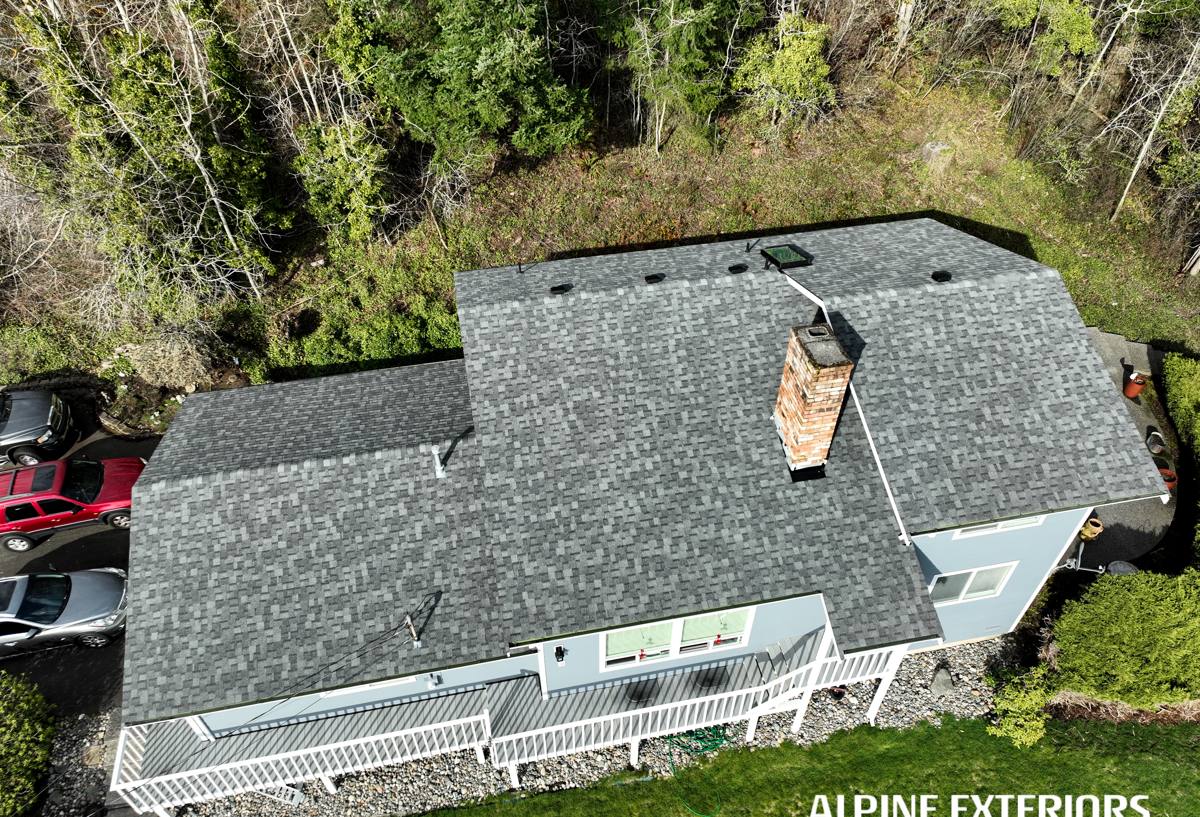
Common Deck Problems We See in This Area
Most of the repair calls we get in Fruitville fall into a handful of categories, and they almost always trace back to moisture, sun exposure, or fasteners that weren't rated for Florida conditions in the first place.
Wood Rot at Predictable Spots
The ledger board — where the deck attaches to the house — is the single most common failure point. If it wasn't flashed correctly when the deck was built, or if the flashing has failed over time, water gets trapped between the deck and the siding and the wood rots from the inside out, often invisibly until the deck starts to feel loose or spongy near the house. Post bases are a close second, especially where mulch, soil, or landscaping keeps the base of the post damp for days after every rain.
Fastener Corrosion
Humidity and salt-influenced air don't just affect wood — they attack metal. Nails, screws, and joist hanger hardware that weren't rated for coastal or near-coastal exposure will rust, streak the wood around them, and eventually lose their grip. Rust streaks bleeding down a deck board are a reliable sign that the fasteners underneath are past their working life, even if the wood itself still looks fine.
Soft, Cupped, or Sun-Bleached Boards
Wood decking that sits in full Florida sun cups, checks, and grays faster than manufacturers' literature usually suggests. Composite decking handles UV better but isn't immune — older composite boards can fade unevenly and, on cheaper or older formulations, absorb moisture at cut ends and swell.
Mildew and Algae in Shaded Areas
Decks shaded by mature oak canopy — common in established Fruitville yards — stay damp longer after rain and collect leaf debris in the gaps between boards. That combination grows mildew and algae faster than an open, sunny deck, and it also traps moisture against the framing underneath.
Wood vs. Composite: What Changes When You're Repairing, Not Building New
If part of your deck needs replacing, you'll usually decide between matching what's there or switching materials for the repaired section. Here's how the common options actually behave once they're a few years old and exposed to Sarasota County weather.
| Material | Moisture Behavior | Sun/UV Behavior | Typical Repair Difficulty |
|---|---|---|---|
| Pressure-treated pine | Prone to rot if not sealed and maintained; performs best with a working moisture barrier at the house | Grays and checks without regular sealing | Easy to source and match; needs re-sealing after repair |
| Cedar or other naturally durable wood | More rot-resistant than pine but still needs sealing in this humidity | Fades to silver-gray unless maintained | Moderate — matching grain and color takes care |
| Composite decking | Doesn't rot, but cheaper or older boards can swell at cut ends if not capped | Handles UV well; some fading is normal over years | Board matching can be tricky if the original line is discontinued |
We don't push one material over another as a blanket rule — the right call depends on what's already there, your budget, and how much upkeep you're willing to do. What we won't do is patch new wood into a deck without addressing why the old section failed in the first place, because that just buys you the same repair again in a few years.
What a Correct Deck Repair Actually Involves
Start With the Structure, Not the Surface
A deck can look fine on top and still have a weak ledger connection, undersized or rotted joists, or a post base that's no longer bearing weight the way it should. Before we touch decking boards, we check the framing: ledger attachment and flashing, joist hangers, beam and post condition, and how the deck ties into the house. Cosmetic board replacement on a deck with a structural problem underneath is a waste of your money.
Fix the Water Path, Not Just the Symptom
If rot shows up at the ledger, the real fix is correcting the flashing and drainage path so water stops getting trapped against the house — not just swapping in new boards that will rot again on the same schedule. The same logic applies at post bases: we address standing water and grade, not just the wood.
Use Fasteners Rated for This Environment
Every fastener we install in a repair — screws, joist hanger nails, structural connectors — is rated for exterior, high-humidity, coastal-influenced use. Stainless steel or hot-dip galvanized hardware costs more than standard-grade fasteners, but it's the difference between a repair that lasts and one that starts rust-staining your deck again within a couple of seasons.
Match Code on Railings and Structural Connections
If a repair touches railings, guardrails, or structural framing, we bring that work up to current code requirements, not just back to however it was originally built. Older decks in established neighborhoods were sometimes built to standards that have since been tightened, and a repair is a reasonable point to correct that rather than repeat it.
Our Deck Repair Process
- Inspection. We check the full structure — ledger, framing, posts, footings, railings, and decking — not just the area you called about, since related problems are common.
- Written scope. You get a clear explanation of what's structural, what's cosmetic, and what we recommend fixing now versus what can wait.
- Permit check. Structural repairs — framing, ledger reattachment, footings — often require a Sarasota County or City of Sarasota permit and inspection, depending on the scope and your property's jurisdiction. We handle that determination and the paperwork.
- Repair. We correct the underlying cause first — moisture path, flashing, structural connection — then rebuild the affected framing and decking to match.
- Final walkthrough. We show you what was done and what to watch for going forward, including any maintenance that will extend the repair's life.
Permits and Code: What to Expect on a Fruitville Deck Repair
Not every deck repair needs a permit — replacing a few worn boards or re-securing a rail baluster typically doesn't. But repairs involving structural framing, footings, or ledger reattachment usually do, because that work affects the deck's ability to safely bear load and resist wind. Florida's building code also puts real weight on wind resistance for outdoor structures, which matters when we're reattaching a deck to a house or replacing structural connectors. We won't cut corners on this to save time — an unpermitted structural repair can create problems when you go to sell the house, and more importantly, it can mean the repair wasn't actually built to hold up.
Maintaining Your Deck Between Repairs
A repaired deck lasts longest when it's checked regularly, especially given how hard Sarasota County's climate is on outdoor wood and hardware. This is a reasonable seasonal checklist for homeowners:
- Look for soft or spongy spots when walking the deck, especially near the house and around posts
- Check for rust streaks bleeding from screws, nails, or hardware
- Clear leaves and debris from between boards, especially under tree canopy, so moisture doesn't sit trapped
- Test railings and guardrails by hand for looseness or movement
- Watch for gray, cupped, or splintering wood that signals the sealer has worn off
- After any tropical storm or heavy wind event, do a quick visual check of posts, framing, and the ledger connection
None of this replaces a periodic professional inspection, but catching problems early keeps a small repair from becoming a structural one.
Why Local Experience in Fruitville Matters
Fruitville's housing stock spans a wide range of ages, which means deck construction methods and materials vary a lot from property to property — a repair approach that's right for a newer build isn't always right for an older one. Crews that already work this area know what building methods were common when different pockets of Fruitville were developed, how the sandy soil here behaves around post footings, and how much shade and debris load a deck under mature oak canopy typically deals with. That local pattern recognition means less guesswork diagnosing your deck and a repair plan built around how homes here actually age, not a generic checklist.
Get a Straightforward Deck Repair Estimate
If your deck has soft spots, loose railings, rust-streaked boards, or you're just not sure whether it needs a repair or a full rebuild, we're happy to take a look. The estimate is free, there's no pressure attached to it, and you'll get an honest read on what's structural, what's cosmetic, and what it will take to fix it right. Use the form below to get started.