 Sarasota Siding
 Why Fruitville Homes Need Siding Built for This Climate
Fruitville sits inland from Sarasota Bay but is not spared from what coastal Florida weather does to a house. Hurricane-force winds test every fastener and seam. Intense, near-constant UV bakes paint and coatings until they chalk and fade. Wind-driven rain finds any gap in flashing or caulk and pushes moisture behind the cladding. Add the salt air that drifts inland across Sarasota County on sea breezes, and you have a combination that shortens the life of siding products that were never engineered for it.
Homeowners in Fruitville often ask why their siding looks tired years before they expected, or why a neighbor's house down the street seems to be repainting or patching every couple of seasons. In most cases, the answer isn't bad luck — it's a siding material and installation approach that wasn't matched to this climate in the first place. That's the problem we solve, and it's why we install James Hardie fiber cement siding exclusively.
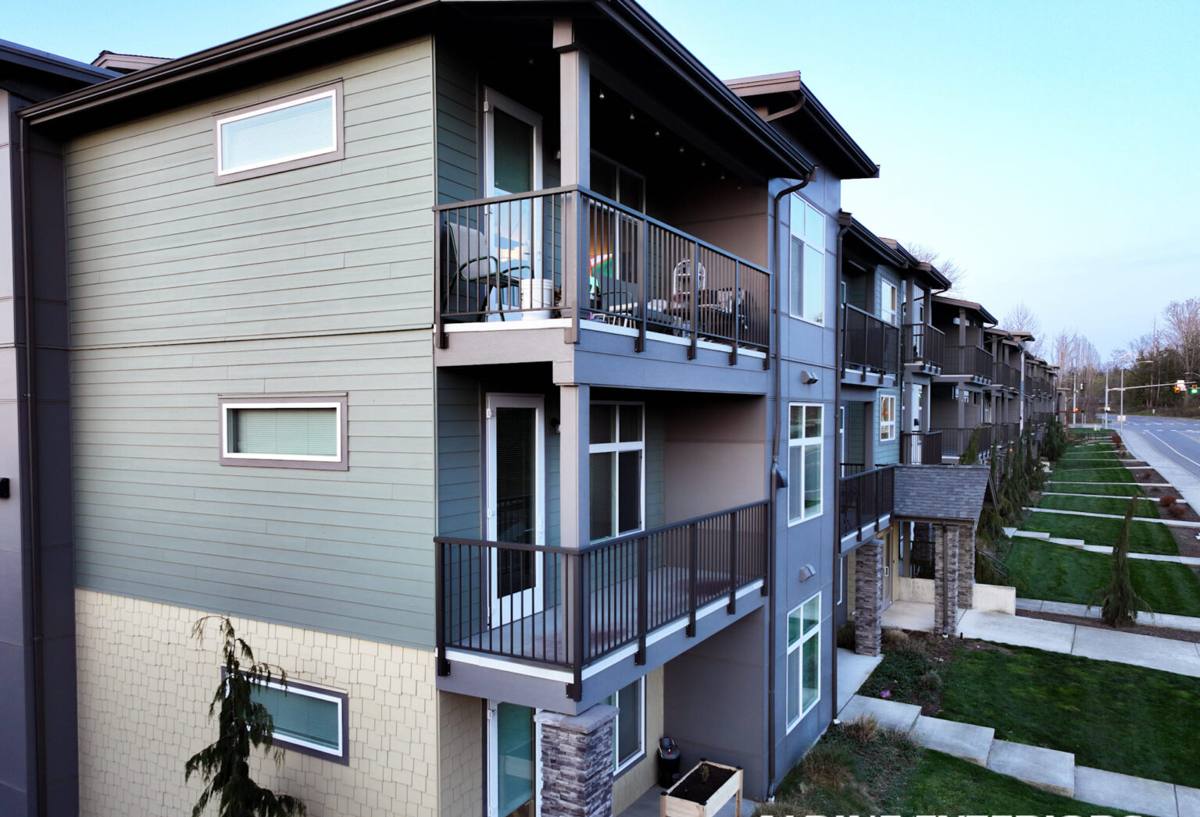
What James Hardie Siding Brings to a Fruitville Home
Built for Florida's HardieZone
James Hardie engineers its siding by climate zone, and the HZ10 product line is formulated specifically for hot, humid, high-UV regions like ours. That means denser, moisture-resistant fiber cement and a factory finish designed to hold color and integrity under sun exposure that would degrade many other exterior products faster.
Non-Combustible and Storm-Tough
Fiber cement is non-combustible, which matters during wildfire season and simply gives homeowners peace of mind that vinyl or wood-based products can't offer. It also holds up structurally against wind-driven debris in a way that thinner, lighter siding materials struggle to match.
ColorPlus Technology
James Hardie's ColorPlus factory-applied finish is baked on under controlled conditions, producing a more even, fade-resistant, chip-resistant coating than most site-applied paint jobs can achieve. In a climate where UV exposure is relentless, that factory finish is doing real work, not just adding curb appeal.
What a Correct Installation Actually Involves
James Hardie siding performs the way it's supposed to only when it's installed to the manufacturer's specifications. This is where a lot of siding jobs — on any brand — quietly fail. The material can be excellent and the installation still wrong.
Moisture Management Behind the Cladding
Correct installation starts with a weather-resistant barrier and properly lapped flashing at every window, door, and penetration. In a wind-driven rain event, water will find the path of least resistance. The goal isn't to make the wall waterproof at the surface — it's to make sure any water that gets behind the siding has a clear path to drain back out.
Fastening for Wind Resistance
Fastener type, spacing, and placement all affect how well siding holds up in high wind. Hardie publishes specific fastening requirements, and cutting corners here is one of the most common — and most consequential — installation shortcuts we see when we're called in to correct someone else's work.
Caulking and Joint Treatment
Butt joints, corners, and trim transitions need the right sealant applied correctly, not just a bead of caulk run down a seam. Poor joint treatment is a leading cause of premature moisture intrusion, regardless of how good the siding panel itself is.
Clearances and Ventilation
Proper clearance from grade, roofing, and decking surfaces keeps siding out of standing water and constant moisture contact. Skipping this detail is a slow-motion mistake — it won't show up on day one, but it shortens the life of the installation.
Our Process for a Fruitville Project
1. On-Site Assessment
We start by walking the property, evaluating the current siding's condition, checking for underlying moisture or structural issues, and discussing what the homeowner actually wants — whether that's a straightforward replacement or a change in color and profile.
2. Detailed, Written Proposal
Every project gets a clear scope: which HardieZone product and profile, which ColorPlus color, trim details, and a real cost breakdown. No vague allowances, no surprise change orders for work that should have been scoped up front.
3. Tear-Off and Substrate Check
We remove the old siding and inspect the sheathing underneath before anything new goes up. This is the point where hidden moisture damage, if any exists, gets found and addressed — not sealed over and left to keep spreading.
4. Installation to Manufacturer Spec
Weather barrier, flashing, fastening pattern, and joint treatment are all done to James Hardie's published requirements — the details covered above — because that's what makes the manufacturer's warranty meaningful and what actually determines how the siding performs in a storm.
5. Final Walkthrough
We walk the finished job with the homeowner, point out the details of what was done, and make sure everything meets both our standard and theirs before calling it complete.
Why Local Fruitville Experience Matters
Sarasota County's building codes reflect the wind-load realities of this part of Florida, and permitting requirements can vary depending on the scope of the project and the specific product being installed. A crew that regularly works in and around Fruitville already understands the local permitting process, the typical construction of homes in the area, and the practical realities of coordinating a project here — from HOA notification where applicable to scheduling around our seasonal weather patterns.
That familiarity isn't just convenience. It reduces the chance of delays, permitting surprises, or a job that technically meets code on paper but isn't suited to how weather actually behaves on a specific property.
Signs Your Current Siding May Be Failing
Not every siding problem is obvious from the street. Some of the most damaging issues develop behind the surface. Here's what we tell Fruitville homeowners to watch for:
- Soft or spongy spots when you press on the siding, which usually indicate trapped moisture
- Visible warping, buckling, or panels that no longer lie flat against the wall
- Paint that's chalking heavily, peeling, or fading unevenly across the same wall
- Cracked or gapped caulk lines at joints, corners, and trim
- Persistent mold, mildew, or discoloration that returns shortly after cleaning
- Rising energy bills that could point to compromised insulation behind failing siding
- Visible fastener heads, popped nails, or siding that shifts slightly when you push on it
If you're noticing more than one of these, it's worth getting an honest assessment before small problems become structural ones.
Maintenance and Longevity in a Sarasota Climate
One of the practical advantages of James Hardie fiber cement is how little it demands once it's properly installed. It doesn't rot, it resists pest damage that affects wood-based products, and the ColorPlus finish is designed to go years longer between repaints than site-applied paint on other materials. That said, no siding is maintenance-free in this climate. Periodic rinsing to remove salt residue and organic buildup, and a visual check of caulk lines after major storms, go a long way toward protecting the investment and keeping the manufacturer's warranty intact.
Cost Factors for a Fruitville Siding Project
Every home is different, but the variables that move the price on a James Hardie installation are consistent. Here's what typically factors in:
| Factor | Why It Matters |
|---|---|
| Home size and wall complexity | More corners, dormers, and architectural detail mean more cutting, fitting, and labor time |
| Product line and profile | Lap siding, shingle-style panels, and board-and-batten carry different material and labor costs |
| Substrate condition | Rot or moisture damage found during tear-off requires repair before new siding goes on |
| Trim and accessory work | Corner boards, window trim, and soffit details add material and installation time |
| Color and finish selection | Factory ColorPlus finishes vs. field-painted options affect both cost and long-term maintenance |
| Access and site conditions | Landscaping, fencing, and multi-story sections can affect labor time and equipment needs |
We walk through these factors with every homeowner during the estimate so there's a clear understanding of where the cost comes from, not just a bottom-line number.
Why We Only Install James Hardie
We get asked from time to time about vinyl, LP SmartSide, or other fiber cement brands. Our answer is consistent: we standardized on James Hardie because, installed correctly, it holds up to exactly the conditions Fruitville homes face — hurricane winds, relentless UV, wind-driven rain, and salt air — better than the alternatives we've evaluated. That's not a marketing position, it's the reason we only put our name behind one product system and one installation standard.
If your Fruitville home is due for new siding, or you want a second opinion on siding that isn't performing the way it should, we're happy to take a look. Reach out for a free, no-pressure estimate — we'll assess your home honestly and walk you through exactly what a correct James Hardie installation would involve.