 Sarasota Siding
 Siding in The Meadows: A Different Set of Conditions Than a New Subdivision
The Meadows is one of Sarasota's older, more established communities, and that comes with a specific set of siding conditions that newer, treeless developments simply don't have. Mature tree canopy means more shade, more moisture retention against exterior walls, more leaf and pollen debris collecting in trim and joints, and less direct sun to dry a wall system out after a storm. Combine that with Sarasota County's exposure to hurricane-force wind gusts, near-constant UV load, wind-driven rain, and salt-laden air moving in off the Gulf, and you have a climate that is genuinely hard on exterior materials — just not always in the ways homeowners expect.
A siding job that would hold up fine in a drier, sunnier, more exposed part of the county can fail early in a shaded, humid setting like The Meadows if the wrong product or the wrong installation details are used. This page is specifically about what James Hardie fiber cement siding needs to do right, and what a correct installation looks like, for homes in this neighborhood.
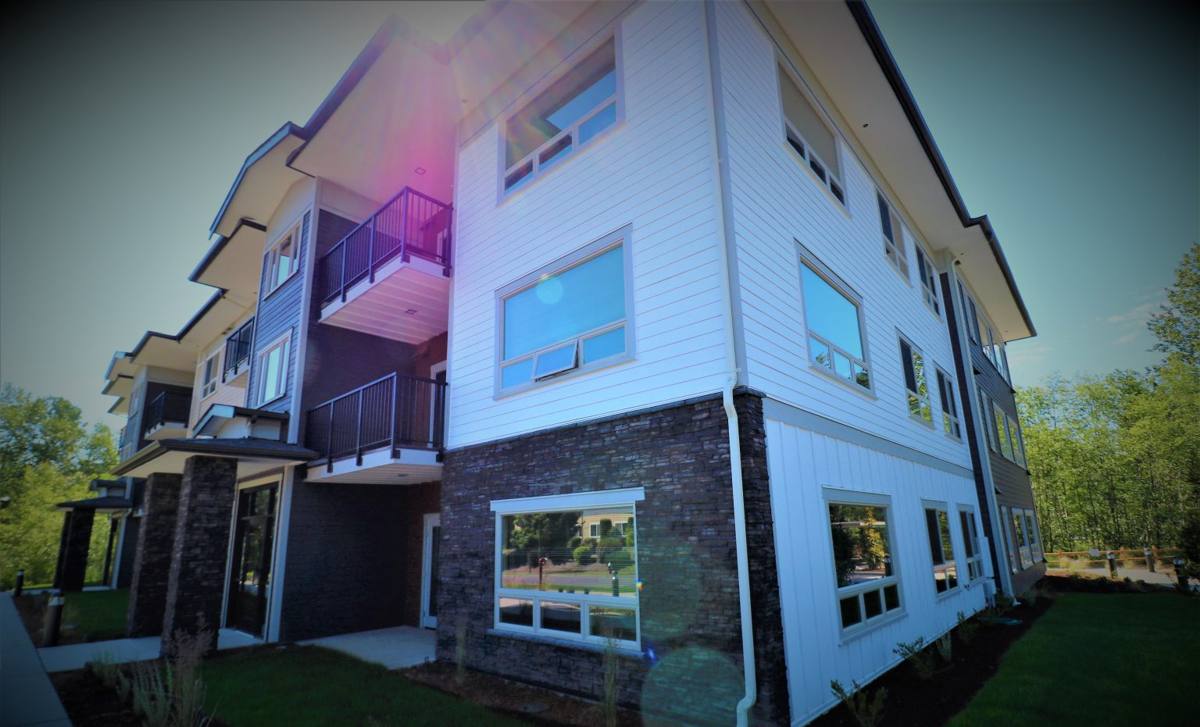
What Tree Canopy and Home Age Mean for Your Siding Choice
Shade Slows Drying, and Slow Drying Punishes the Wrong Materials
Direct sun is actually one of the things that keeps siding dry after rain. In heavily shaded lots, walls stay damp longer, and any siding material that's sensitive to sustained moisture exposure — wood-based composites, primed spruce, or poorly detailed vinyl — is more likely to show swelling, staining, or soft spots over time. Fiber cement doesn't rely on drying out quickly to stay stable, which matters a great deal on a shaded lot.
Older Housing Stock Means Existing Damage Is Common
Many homes in this part of Sarasota were built decades ago, and it's common to find sheathing or trim damage hiding behind the existing siding — old moisture intrusion, insect activity, or settling that was never addressed. A proper Hardie installation starts by uncovering and dealing with that, not covering it back up.
Why We Only Install James Hardie
We made a decision, as a company, to install James Hardie fiber cement exclusively — not vinyl, not LP SmartSide, not Cemplank, not Allura, not primed spruce or cedar. That's not a marketing position; it's a practical one built around what actually holds up in this climate over the long run.
Vinyl softens, warps, and can pull loose from fasteners in sustained high heat and takes a beating in hurricane-force gusts. Wood-based composite products depend heavily on flawless caulking and field-sealing of every cut edge to resist moisture — miss one seam in a shaded, humid yard and you've created a slow leak point. Primed spruce and cedar are attractive but need ongoing paint maintenance and are far more vulnerable to rot in a climate that doesn't give wood much of a chance to dry out. James Hardie fiber cement is non-combustible, dimensionally stable, factory-finished with ColorPlus technology so the color isn't riding on a field-applied coat of paint, and it's engineered specifically for high-moisture, high-UV climates like ours. We're not saying other products can't be installed correctly by someone — we're saying we don't want to be the ones gambling a homeowner's investment on materials that need near-perfect conditions and maintenance discipline to perform here.
What Correct James Hardie Installation Involves
The product itself is only part of the equation. A huge share of long-term siding failures — with any brand — come down to installation mistakes, not the material. On a shaded, moisture-prone lot like much of The Meadows, these details matter even more than usual.
- Proper clearance between the bottom of the siding and grade, roof lines, decks, and patios so water has somewhere to go
- Correct fastener type, spacing, and depth — Hardie panels installed with the wrong nails or over-driven fasteners can crack or work loose
- A weather-resistant barrier installed and lapped correctly behind the siding, not just stapled up quickly
- Proper flashing at every window, door, and roofline penetration, since these are the most common places water actually gets behind siding
- Correctly caulked and painted cut edges on any field-cut panel, since factory ColorPlus finish only protects the face and factory edges
- Adequate gap and sealant at butt joints and corners to allow for expansion without cracking the finish
Any one of these done wrong can undermine an otherwise good product. This is why we treat installation detail as seriously as the material choice itself.
HZ5 Climate-Engineered Panels and Why They Fit This Neighborhood
James Hardie makes region-specific product lines engineered for different climate zones, and Sarasota falls into the HZ5 zone — the line built for high humidity, heavy rain exposure, and storm-force wind. HZ5 panels are formulated to resist moisture-related damage and hold up under wind-driven rain, which is exactly the combination The Meadows sees during summer storms and tropical systems. Pairing the right climate zone product with the shaded, humid conditions common on older, tree-covered lots is one of the more overlooked parts of getting siding right in this part of the county — using a product engineered for a drier, less humid region simply isn't the same job, even if it looks similar going up.
ColorPlus factory finish also matters more, not less, in a shaded yard — a factory-baked finish resists the mildew and staining that can build up on paint film in low-sun areas far better than field-applied paint does.
Our Process for Meadows Projects
Assessment First
Before any siding comes off, we look at the whole wall system — trim, fascia, window flashing, and any signs of past moisture intrusion. On older Meadows homes especially, this step regularly turns up issues that need to be addressed before new siding goes up, not after.
Tear-Off and Substrate Repair
We remove the existing siding down to the sheathing, repair or replace any damaged wood, and correct any flashing or drainage issues we find rather than sealing over them.
Weather Barrier and Flashing
A properly lapped weather-resistant barrier and correctly integrated flashing go in before a single piece of Hardie touches the wall. This is the layer that actually keeps water out if the finish surface is ever compromised.
Installation to Manufacturer Spec
HZ5 Hardie panels or lap siding go up to James Hardie's fastening, clearance, and joint specifications — not shortcuts that speed up the job but shorten its life.
Finish Detail Work
Cut edges are sealed and touched up, caulking lines are finished cleanly, and trim is installed to shed water away from joints — details that are easy to see if you know where to look, and that separate a job that lasts fifteen years from one that lasts closer to forty.
Cost Factors for The Meadows Homes
Every home is different, so we don't quote broad, generic numbers — but the real cost drivers on a typical Meadows project tend to fall into a consistent set of categories:
| Factor | Why It Affects Cost |
|---|---|
| Home size and number of stories | More wall area and access complexity increases labor time |
| Condition of existing sheathing/trim | Hidden moisture or rot damage found at tear-off requires repair before new siding goes on |
| Trim, fascia, and architectural detail | More corners, dormers, and trim profiles mean more cutting, fitting, and finish work |
| Siding profile and color selection | Some ColorPlus finishes and panel styles carry different material pricing |
| Site access and landscaping protection | Mature trees, tight side yards, and dense landscaping around older homes require more careful staging and protection |
We walk through these factors on-site with every homeowner so the estimate reflects the actual condition of the home, not a generic square-footage guess.
Long-Term Care in a Shaded, Coastal-Influenced Climate
James Hardie siding is low-maintenance compared to wood or vinyl, but "low-maintenance" doesn't mean "no attention needed," especially under tree canopy near the coast. A short seasonal checklist keeps a correctly installed system performing the way it's designed to:
- Rinse the siding periodically to clear pollen, dust, and salt residue, especially on shaded walls that don't get natural rain-washing from full sun exposure
- Keep gutters and downspouts clear so water isn't overflowing and running down the wall face
- Trim back branches and foliage that stay in contact with or shade a wall section constantly, since prolonged leaf and debris buildup traps moisture against the surface
- Inspect caulking at trim, corners, and penetrations annually and have any cracked or missing sealant redone promptly
- After a major storm, do a visual check for cracked panels, loose trim, or displaced flashing rather than waiting for a problem to become visible from inside
Why Hiring a Crew That Already Works in The Meadows Matters
The Meadows is a deed-restricted, HOA-governed community, and that affects the siding process in practical ways — exterior color and material changes typically need to go through an architectural review process before work begins, and job-site conduct (noise windows, debris containment, parking, protecting shared landscaping) is generally held to a higher standard than in a non-restricted neighborhood. A crew that has already done projects in the community knows what that approval process looks like, how to stage a job without creating friction with neighbors or the HOA, and how to protect mature landscaping that took decades to grow in. That local familiarity isn't a small convenience — it's the difference between a project that moves smoothly from approval to completion and one that stalls on paperwork or generates complaints halfway through.
If you're weighing a siding project for a home in The Meadows, we're happy to walk the property, look at what's actually going on behind your current siding, and put together a straightforward, no-pressure estimate — just fill out the form below to get started.