 Sarasota Siding
 Board & Batten Siding for Laurel Park's Older, In-Town Homes
Laurel Park sits among Sarasota's older, in-town neighborhoods — the kind of place where bungalow and cottage-style houses have real street presence, and board and batten is one of the most common ways owners restore or update that look. The vertical panel-and-strip profile reads as clean, historic, and low-fuss from the curb. What most homeowners don't realize until they're mid-project is that board and batten is also one of the least forgiving siding styles to get wrong, especially in a climate like ours. The battens create dozens of extra seams and fastener lines compared to standard lap siding, and every one of those seams is a potential path for wind-driven rain if it isn't installed correctly.
We work Sarasota County regularly, and Laurel Park's mix of small lots, mature tree canopy, and older home footprints comes up often enough that we know what the style needs here specifically — not in general, but on this kind of house, in this climate.
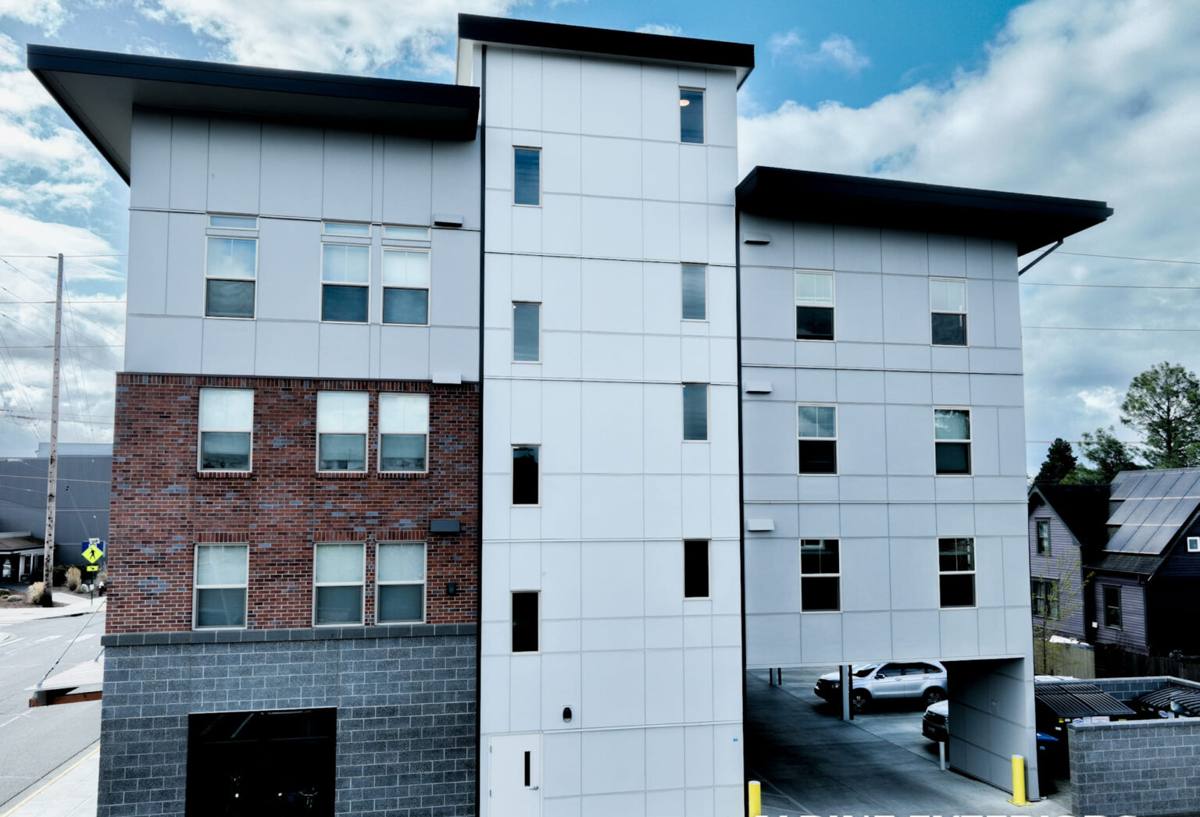
What Sarasota's Climate Demands From a Vertical Siding Job
Board and batten doesn't fail because the look is wrong for the area — it fails when the installation doesn't account for what Gulf Coast weather actually does to a home over the years.
- Hurricane-force wind: vertical battens create more edges and fastener points than horizontal lap siding. Every one of those needs to be nailed to spec and into solid framing, or wind gets a place to start prying.
- Wind-driven rain: storms here rarely fall straight down. Rain gets pushed sideways into every batten joint and panel seam, so the water management behind the siding — not just the siding itself — is what keeps a wall dry.
- Year-round UV: Sarasota doesn't get a real winter break from sun exposure. Battens and panels expand and contract with heat, and a finish that isn't UV-stable will fade unevenly, especially where board and panel meet at different angles to the sun.
- Salt air: even set back from the water, Sarasota County homes deal with airborne salt that accelerates corrosion on fasteners and trim. Ordinary fasteners rust, streak the siding, and eventually let joints loosen.
None of this is unique to Laurel Park, but it's a direct answer to why we treat board and batten as a system to be engineered, not just a look to be applied.
Why the Style Suits This Neighborhood — and Where It Gets Risky
Board and batten pairs naturally with the smaller-scale, cottage and bungalow massing you see on a lot of Laurel Park lots — simple gable forms, front porches, modest footprints where a strong vertical line does a lot of visual work without overwhelming the house. It's also a common choice for accent walls, gables, and dormers on homes that otherwise use lap siding, which lets an owner update the front elevation without re-siding the whole structure.
The risk is that board and batten is often chosen for looks first and installed by crews who are used to lap siding logic, not vertical-panel logic. The two aren't interchangeable skill sets. Batten spacing, fastener placement relative to the panel edge, and how the assembly handles moisture behind it are all different problems than a standard horizontal install, and cutting corners on any of them shows up later as cupping, staining, or loosened battens — usually right after the next big storm, not during the install.
What a Correct Board & Batten Job Actually Involves
Water Management Behind the Siding
The siding is the visible layer, not the only layer. A correct install starts with a weather-resistant barrier and properly integrated flashing at every window, door, and roof intersection — details that matter more on a vertical assembly because water traveling down a batten line has fewer places to naturally shed than it does on overlapping horizontal lap boards.
Panel and Batten Layout
Panel joints need to land on framing, battens need consistent spacing that follows the manufacturer's engineering, and fasteners need to be placed where they won't split the material or back out over time. On an older Laurel Park home, that also means checking what's actually behind the existing siding before assuming standard 16-inch framing spacing.
Fastener Selection
Corrosion-resistant fasteners, rated for the coastal environment, driven to the correct depth — not overdriven, which crushes the material and opens a path for water, and not underdriven, which leaves the board loose. This is one of the most common places we see prior board and batten jobs fail early.
Finish and Caulking
A factory-applied, UV-stable finish holds color far longer than field-applied paint, and any caulking used at joints and trim needs to be a product rated for continuous sun and moisture exposure — not general-purpose caulk that chalks and cracks within a couple of seasons.
James Hardie Board & Batten: The Only System We Install
We install James Hardie fiber cement exclusively — no vinyl, no LP SmartSide, no Cemplank, no Allura, no primed spruce or cedar. For board and batten specifically, that means HardiePanel vertical siding with HardieTrim battens, engineered and tested as a matched system rather than mismatched parts from different suppliers.
The reasons come down to how the material behaves over years in a climate like ours, not brand preference:
- Non-combustible: fiber cement doesn't feed a fire the way wood-based products can — a real consideration on tightly-spaced in-town lots.
- Engineered for humid, coastal climates: Hardie's HZ10 product line is formulated for exactly the moisture and humidity conditions Sarasota County sees year-round, which matters more on a vertical assembly with more seams to manage.
- ColorPlus factory finish: baked-on, UV-stable color that resists the fading and chalking that flat, unshaded battens are especially prone to under constant Florida sun.
- Dimensionally stable: fiber cement doesn't swell, cup, or warp with humidity swings the way wood-based panels can, which keeps batten lines straight instead of waving over time.
- Transferable warranty: a real asset if a Laurel Park home changes hands, since the coverage follows the house, not just the original owner.
How the Main Board & Batten Materials Compare
| Material | Coastal Wind/Rain Behavior | UV/Color Retention | Long-Term Maintenance |
|---|---|---|---|
| James Hardie fiber cement | Engineered for the coastal HZ10 zone; non-combustible | Factory ColorPlus finish, UV-stable | Low — no swelling, cupping, or rot |
| Vinyl | Can distort or pull loose in sustained high wind | Fades and can become brittle under constant sun | Low upfront, but limited repair options if cracked or faded |
| Wood (primed spruce/cedar) | Vulnerable to wind-driven rain intrusion at seams | Requires repainting/resealing on a regular cycle | High — ongoing paint, caulk, and rot inspection |
| LP SmartSide / other engineered wood | Moisture-sensitive at cut edges and joints | Factory finish varies by product | Moderate — edge sealing and joint maintenance matter |
Our Process for a Laurel Park Project
- On-site walkthrough: we assess the existing wall assembly, framing condition, and any moisture issues before quoting — especially important on older Laurel Park homes where what's behind the siding isn't always what the age suggests.
- Design and layout plan: panel and batten spacing mapped to the home's actual elevations, not a generic template.
- Tear-off and prep: old siding removed, sheathing inspected and repaired as needed, weather-resistant barrier and flashing installed correctly at every penetration.
- Install: HardiePanel and HardieTrim battens installed to manufacturer spec, with corrosion-resistant fasteners set to correct depth.
- Final detailing: caulking, touch-up, and a walkthrough so you know exactly what was done and why.
Why a Crew That Already Works Laurel Park Matters
A siding crew that regularly works Sarasota County's older, in-town neighborhoods brings something a generic out-of-area crew doesn't: familiarity with what's typically hiding behind the walls of a home this age, how tight the lots and setbacks tend to run, and what local permitting and inspection expect for exterior work in the county. That familiarity shortens the surprises during tear-off and keeps the project moving instead of stalling on unexpected framing or code questions mid-job.
It also means we're not guessing at wind load and water-management requirements for the area — we're applying what we already know works on homes like the ones nearby.
What to Expect After Installation
A correctly installed James Hardie board and batten system is genuinely low-maintenance, but "low" isn't "none." A short annual check keeps small issues from becoming expensive ones:
- Walk the exterior once a year and look for cracked or missing caulk at trim and window edges.
- Check for any streaking near fasteners, which can signal a corroding screw or nail that should be addressed early.
- Keep sprinklers and irrigation from spraying directly on the siding — constant wetting shortens the life of any exterior finish.
- After a major storm, do a quick visual check for loosened battens or panels before the next weather event.
- Rinse off salt residue and pollen buildup periodically with a garden hose — no pressure washer needed on Hardie's factory finish.
If you're weighing board and batten for a Laurel Park home, we're glad to walk the property, explain what your specific walls need, and give you a straightforward, no-pressure estimate — no obligation, just an honest look at what the job actually involves.