 Sarasota Siding
 Why Longboat Key Windows Wear Out Faster Than Most
Longboat Key sits on a barrier island between the Gulf of Mexico and Sarasota Bay, which means every window on the island is doing double duty every single day. Salt-laden air corrodes hardware and pits metal finishes faster than it does even a few miles inland. Constant, intense UV breaks down vinyl, seals, and glazing compounds. And when a tropical system or a strong summer storm rolls through, wind-driven rain gets pushed sideways into any gap or weak seal a standard window might tolerate elsewhere. None of this is unique to one house on the Key — it's the baseline condition every home on that stretch of coast has to be built for.
Custom windows matter here for a second reason that has nothing to do with weather: a lot of Longboat Key homes, especially the older mid-century single-family houses and many of the low-rise condo buildings, simply don't have standard, off-the-shelf window openings. Rooflines, jamb depths, and stucco or block returns were built to the original construction, not to a modern manufacturer's stock sizing. Getting a proper fit — not a shimmed, caulked-over approximation — is what keeps water out for the long term.
What "Custom" Actually Means for This Job
On Longboat Key, custom windows generally fall into a few categories, and knowing which one applies to your home changes the whole scope of the job:
- Non-standard openings — older homes where wall thickness, header height, or rough opening dimensions don't match current manufacturer sizing.
- Architectural shapes — arched, angled, or specialty-shaped openings common in mid-century and coastal contemporary designs.
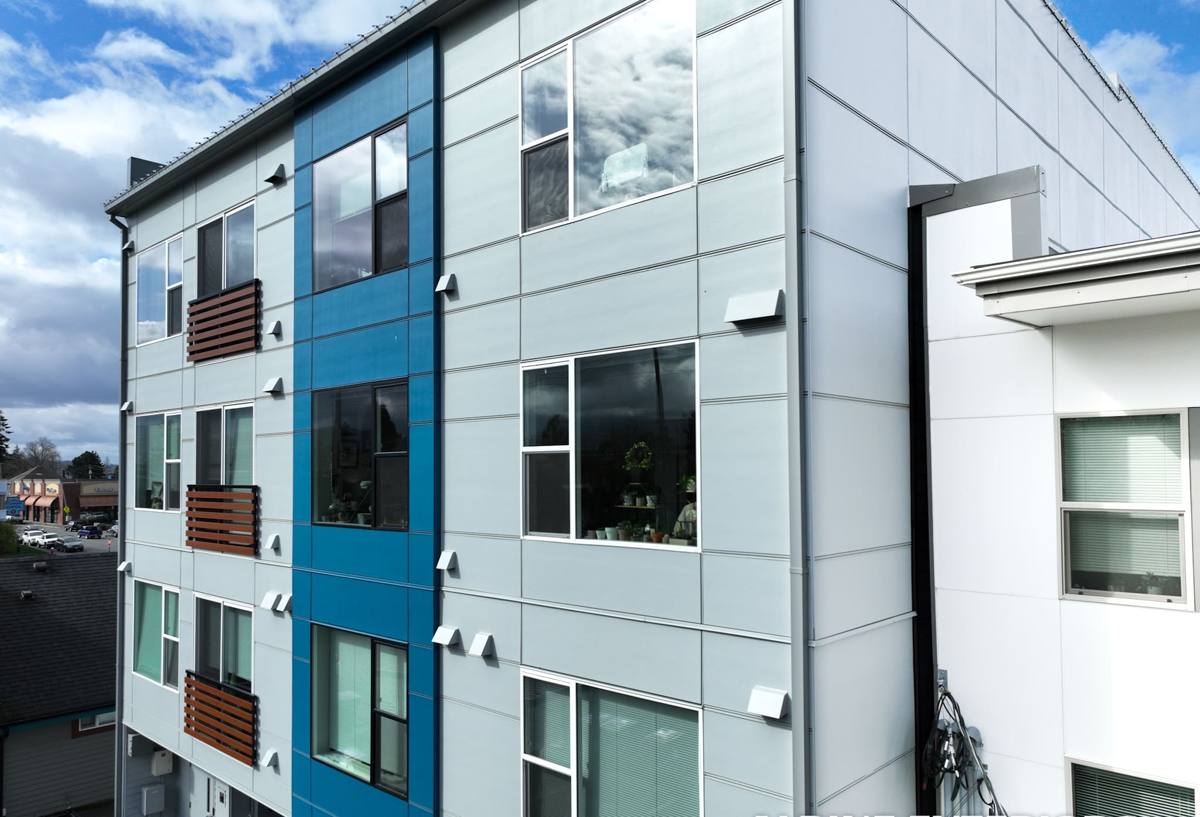
- High-rise and mid-rise condo units — where the opening has to match association-approved specifications and often has limited access for material staging and equipment.
- Full storefront or large-format glass — bigger Gulf-facing or bay-facing openings that need engineered support and pressure ratings sized to that specific span.
A correct custom job starts with someone physically measuring the actual opening, not pulling a number off a floor plan. On older Longboat Key homes we've also found openings that are slightly out of square from decades of settling, which a stock window will never seal properly against no matter how much sealant gets packed around it.
Meeting Florida's Wind and Impact Requirements
Sarasota County sits within Florida's wind-borne debris region, which means replacement windows on Longboat Key have to meet minimum design pressure (DP) ratings and, in most cases, either impact-rated glazing or an approved impact protection system for every opening. This isn't optional paperwork — it's tested performance. Impact-rated products are certified against large-missile impact testing (the TAS 201/202/203 protocols referenced in the Florida Building Code) so the glazing stays intact and the opening stays protected even if debris strikes it during a storm.
The Town of Longboat Key maintains its own building and permitting department, separate from unincorporated Sarasota County, and it reviews window permits against the current Florida Building Code edition along with any local requirements that apply to your zoning district or, for condo owners, your association's approved product list. Getting the permit application, product approval documentation (the NOA or Florida Product Approval number for whatever window is being installed), and the final inspection right the first time avoids delays that can drag a straightforward window job out for weeks.
Design Pressure Ratings, in Plain Terms
Every window carries a DP rating that tells you how much wind and structural load it's engineered to handle before it's considered compromised. A window facing open Gulf exposure on a higher floor generally needs a higher DP rating than the same size window on a sheltered, ground-level bay side elevation. This is one of the reasons a generic "big box" window sized for inland Florida is the wrong call for most Longboat Key elevations — the rating has to match the specific exposure of that opening, not just the size of the hole in the wall.
Frame Material: What Holds Up in Salt Air
Material choice matters more here than almost anywhere else in the region, because salt air accelerates corrosion and degrades finishes on a timeline most homeowners underestimate. Here's how the common options actually perform in this environment:
| Material | Salt-air performance | Maintenance | Typical use case |
|---|---|---|---|
| Vinyl | Good; doesn't corrode, but UV can chalk or brittle lower-grade profiles over years | Low — occasional cleaning | Standard replacement, budget-conscious projects |
| Aluminum | Fair to good if properly finished; raw or poorly coated aluminum corrodes faster near the Gulf | Moderate — finish needs monitoring | Larger spans, high-rise condo units, storefront glass |
| Fiberglass | Excellent; dimensionally stable, resists salt corrosion and UV degradation well | Low | Higher-end custom openings, long-term durability priority |
| Wood / wood-clad | Poor without diligent upkeep; moisture and salt exposure accelerate rot at exposed wood | High | Historic or aesthetic-matching projects, interior-facing openings |
We don't push wood or unclad wood-composite frames on direct Gulf or bay-facing elevations on the Key. It's not that the material is bad — it's that the maintenance burden required to keep it performing in this specific climate is more than most owners want to sign up for, and a missed maintenance cycle shows up as rot or hardware failure faster here than it would inland. Where a homeowner wants a wood look, we'll talk through clad options and interior-facing placements where the tradeoff makes more sense.
What a Correct Installation Actually Involves
Most window failures we get called out to fix on the Key aren't a bad window — they're a window installed without proper attention to the opening around it. A correct installation includes:
- Removing the old unit and inspecting the rough opening, sill pan, and surrounding framing or block for hidden moisture damage before anything new goes in.
- Correcting any out-of-square or deteriorated substrate found during that inspection — installing a new window into a bad opening just repeats the failure.
- Installing flashing and a proper sill pan so any water that does get past the window sheds outward, not into the wall cavity.
- Setting the window plumb, level, and square, with fasteners and anchoring matched to the wall substrate and the window's engineered load path.
- Sealing with the correct sealant system for the substrate and material — not just a bead of caulk around the trim.
- Verifying operation, drainage, and weep function before calling the job finished.
Skip any one of these steps and you can end up with a window that's individually rated for hurricane-force wind but still leaks around the frame in a hard-driven summer rain, because the failure point was never the glass.
Our Process, Start to Finish
For a Longboat Key custom window project, our process generally runs:
- On-site measurement and assessment — we measure every opening individually and check the surrounding wall condition, not just the glass size.
- Product and DP rating selection — matched to that specific elevation's exposure, your budget, and, for condo owners, your association's approved specifications.
- Permit preparation — filing with the Town of Longboat Key building department, including product approval documentation.
- Scheduling around access — bridge traffic, condo loading dock hours, and elevator reservations for high-rise units all factor into realistic scheduling on the Key.
- Installation — opening prep, flashing, setting, sealing, and testing as outlined above.
- Final inspection — coordinating the town inspection and closing out the permit.
What Drives Cost on a Custom Window Job
There's no honest single price for custom windows — the range is wide because the variables are wide. What actually moves the number on a Longboat Key project:
| Factor | Why it matters |
|---|---|
| Opening size and shape | Non-standard or architectural shapes cost more to engineer and fabricate than stock rectangular sizes |
| Required DP rating | Higher-exposure elevations need heavier-duty glass and frame construction |
| Frame material | Fiberglass and higher-grade aluminum systems cost more upfront than standard vinyl |
| Access and logistics | High-rise units and limited-access older homes add labor time for staging and material handling |
| Substrate repair | Hidden moisture or framing damage found during removal adds scope once uncovered |
| Number of openings | Whole-house or whole-unit replacement typically brings a better per-window cost than one-off replacements |
As a general guide, custom coastal-rated windows on the Key run from the low thousands per opening for smaller, simpler units up into five figures for large-format, high-DP, or architecturally shaped glass. The only way to get a real number is a site-specific measurement and quote — anything quoted without seeing the actual openings is a guess.
Living With Custom Windows in a Salt-Air Environment
Even correctly installed, coastal-rated windows still need upkeep to hit their expected service life. A basic maintenance routine for Longboat Key owners:
- Rinse frames, tracks, and hardware with fresh water periodically to clear salt buildup, especially after storms or extended dry, windy stretches.
- Keep weep holes clear of sand, debris, and insect nests so water can drain as designed.
- Check and lubricate hardware (locks, rollers, hinges) on operable units at least once a year.
- Inspect exterior sealant lines annually for cracking or separation, and have gaps re-sealed before they become leak paths.
- Watch for chalking, pitting, or discoloration on frames, which can signal finish breakdown starting earlier than expected.
Owners who stay on top of this short list get meaningfully more service life out of their windows than owners who treat them as install-and-forget.
Why It Matters That We Already Work This Island
Longboat Key isn't like a typical inland Sarasota subdivision job, and a crew that mostly works elsewhere is learning that on your project. We already have a working relationship with the Town of Longboat Key building department, so permit submissions move through without the back-and-forth that comes from a first-time filer misunderstanding local requirements. We're familiar with the condo association approval process that a lot of Key buildings require before any exterior work — including window replacement — gets approved, and we know to build that lead time into the schedule from the start. We also plan around the practical realities of the island itself: bridge and traffic timing, limited staging space on smaller lots, and loading logistics for mid- and high-rise buildings. None of that shows up on a spec sheet, but it's the difference between a job that runs on schedule and one that stalls waiting on a permit or an access window nobody planned for.
If you're weighing custom window replacement for a Longboat Key home or condo unit, we're glad to walk the property, measure the actual openings, and put together a straightforward, no-pressure estimate — just fill out the form below to get started.