 Sarasota Siding
 A Barrier Island Roof Works Harder Than Most
Longboat Key sits on a narrow strip of land with open Gulf water on one side and bay water on the other, which means every roof out here takes on conditions that inland Sarasota County homes simply don't see to the same degree. Salt-laden air moves across the island constantly, the sun reflects up off two bodies of water in addition to beating straight down, and when a storm does come through, there's no buffer of trees or neighboring development to slow the wind before it hits the house. A roofing system that performs fine twenty minutes inland can fail early here. That's the starting point for any honest conversation about metal roofing on Longboat Key: this is a different environment, and the roof has to be specified for it, not just installed the same way it would be anywhere else.
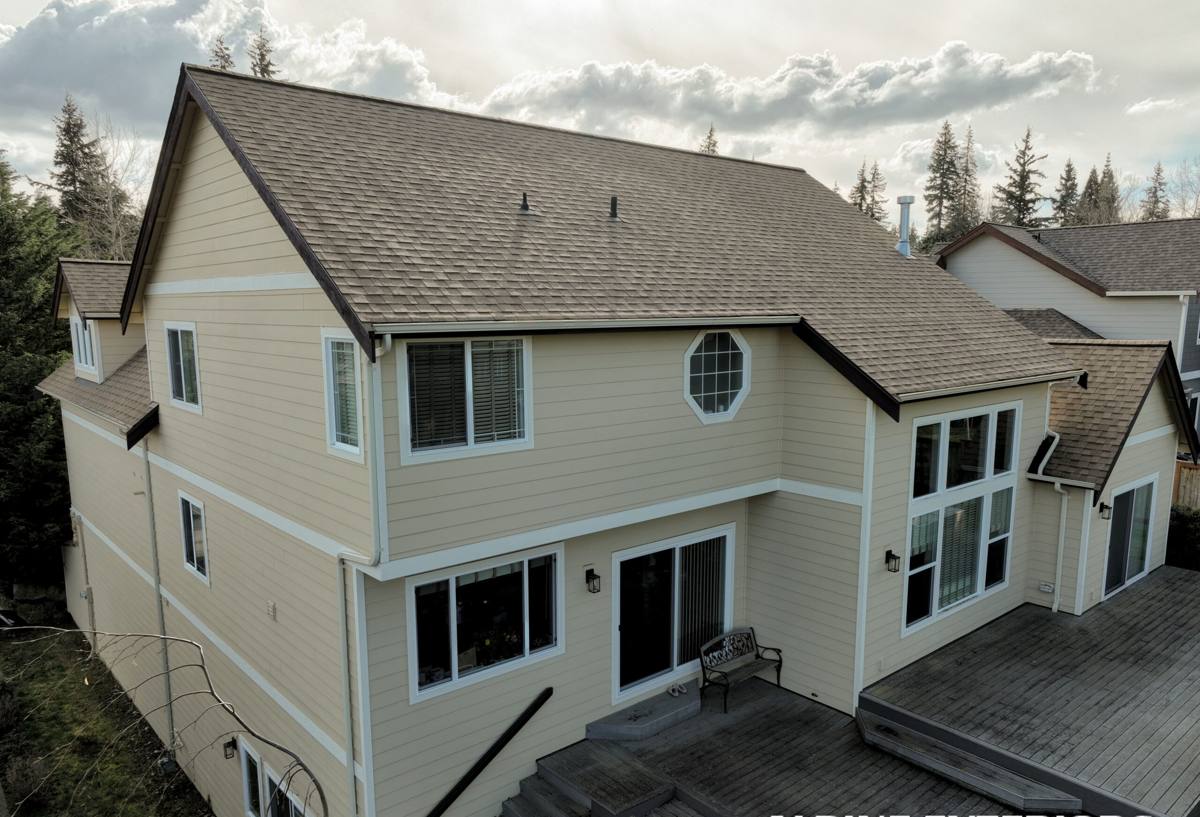
What This Climate Actually Does to a Roof
Salt Air and Corrosion
Airborne salt settles on every exposed surface and accelerates corrosion on fasteners, flashing, and any metal component that isn't rated for a marine environment. On a barrier island, this isn't an occasional issue — it's a constant, low-level process happening year-round, which is why material choice and hardware selection matter more here than almost anywhere else in the region.
Wind-Driven Rain
Rain that arrives sideways during a storm doesn't behave like rain falling straight down. It gets forced under panel edges, around penetrations, and into any gap that a fastener or seam leaves open. Most roof leaks after a coastal storm aren't from missing shingles or panels — they're from water finding a path in through details that were never sealed correctly in the first place.
UV Exposure and Heat Cycling
Sarasota's near year-round sun bakes roofing materials and accelerates the breakdown of coatings and sealants. Metal panels expand and contract with daily heat swings, and if a system isn't installed with room to move, that cycling works fasteners loose and stresses seams over time.
Hurricane-Force Wind Loads
Uplift is the real enemy in a wind event. Wind doesn't just push down on a roof — it creates negative pressure that tries to pull panels up and off, especially at edges, ridges, and corners. A roof built to handle Sarasota's hurricane-force wind loads needs a fastening and edge-detail plan that accounts for uplift specifically, not just a good-looking panel.
Why Metal Roofing Fits This Environment
Done correctly, metal roofing holds up well against everything above. Standing seam and other concealed-fastener systems have a strong track record in high-wind testing when properly engineered and installed, the reflective surface reduces attic heat gain in a climate that runs hot most of the year, and a properly specified metal system can last several decades longer than many alternative roofing materials in coastal use. None of that is automatic, though — it depends entirely on getting the material, the fastening method, and the flashing details right for this specific island.
Not All Metal Roofing Is Built for Salt Air
"Metal roof" covers a range of products, and they don't all perform the same way a few hundred yards from saltwater. Here's how the common options compare for barrier island use:
| System | Fastener Exposure | Coastal Suitability | Typical Maintenance |
|---|---|---|---|
| Standing seam (concealed fastener) | Fasteners hidden under the seam, not exposed to weather | Best suited for salt air and wind-driven rain | Low — periodic inspection of seams and flashing |
| Metal shingle / tile-profile panel | Some exposed fasteners depending on design | Good, with attention to fastener grade and sealant | Moderate — check exposed fasteners over time |
| Exposed-fastener panel | Screws penetrate the panel face directly | Workable but higher long-term risk near saltwater | Higher — washers and screws need periodic checking and eventual replacement |
We're not going to tell a homeowner that an exposed-fastener panel is a bad product everywhere — it isn't, and it has a real place in less exposed settings. On Longboat Key specifically, we lean toward concealed-fastener systems and marine-grade hardware because it's a lower-maintenance, longer-term fit for this exact environment, not because the alternative is inherently unsound.
What a Correct Installation Involves
Deck Inspection and Prep
Before any panel goes down, the roof deck gets inspected for soft spots, rot, or prior water damage. Metal roofing is only as good as what it's fastened to — covering a compromised deck just hides a problem instead of solving it.
Underlayment as the Real Water Barrier
The metal panel sheds most of the water, but the underlayment beneath it is what actually keeps a home dry if wind-driven rain gets past the surface. In a wind-driven rain environment like this one, a high-quality synthetic or self-adhering underlayment at eaves, valleys, and penetrations is not optional — it's the backup system a roof needs when conditions get ugly.
Fastening for Uplift
Fastening pattern and clip spacing get tightened up in high-wind zones, following the wind-uplift ratings the system is designed for rather than a generic, one-size pattern. Edges, corners, and ridge lines get particular attention since that's where uplift forces concentrate first.
Flashing and Penetration Details
Every pipe boot, vent, skylight curb, and wall transition is a potential entry point for water. Correct flashing work — properly lapped, sealed, and integrated with the underlayment — is where most long-term roof performance is actually decided, more so than the panel itself.
Our Process on Longboat Key Jobs
- Estimate and roof assessment — we look at the existing roof, deck condition, and any problem areas before quoting anything.
- System recommendation — we walk through panel and finish options suited to this specific property and its exposure.
- Permitting — we handle the permit process required for roofing work in this jurisdiction before work begins.
- Tear-off and deck prep — old roofing comes off and the deck gets inspected and repaired as needed.
- Underlayment and flashing installation — the water-barrier layer goes down first, correctly lapped and sealed.
- Panel installation — panels go on with fastening and clip spacing matched to the wind-uplift requirements for the site.
- Final walkthrough — we go over the finished roof with the homeowner before calling the job complete.
Living With a Metal Roof in Salt Air
A correctly installed metal roof is genuinely low-maintenance, but "low-maintenance" isn't "no-maintenance" — especially this close to the Gulf. A simple annual routine goes a long way:
- Rinse accumulated salt residue off the roof surface periodically, especially after long dry stretches without rain
- Keep gutters and downspouts clear so water isn't sitting against edges or fascia
- Check exposed fasteners (if the system has any) for corrosion or loosening once a year
- Inspect flashing around vents, skylights, and wall transitions after any major storm
- Trim back overhanging vegetation that can drop debris or hold moisture against the roof
- Have the roof looked at professionally after any named storm that produced sustained high winds
What Drives Cost on a Longboat Key Metal Roof
Every roof is different, but the same handful of factors move the price up or down on most jobs out here:
| Factor | Why It Matters |
|---|---|
| Panel system chosen | Concealed-fastener standing seam typically costs more upfront than exposed-fastener panel, offset by lower long-term maintenance |
| Roof complexity | Valleys, dormers, and multiple roof planes add flashing work and labor time |
| Deck condition | Any rot or soft decking found during tear-off adds repair cost before panels go on |
| Material gauge and finish | Heavier gauge metal and marine-grade coatings cost more but hold up better in salt air |
| Access and site logistics | Barrier island access, staging space, and bridge traffic timing can affect scheduling and labor efficiency |
We'll walk through where a given property lands on each of these during the estimate, so the number isn't a surprise and isn't a guess.
Why It Matters That We Already Work This Island
A crew that only occasionally makes it out to Longboat Key has to relearn the same things every time: how material deliveries and staging work with limited space, how bridge and seasonal traffic affect scheduling, and what local permitting actually requires for this jurisdiction. A crew that already works this island regularly has that friction worked out, which translates into fewer surprises and a smoother timeline for the homeowner. It also means we're not guessing about how this specific stretch of coastline treats a roof over time — we've seen it firsthand, on real jobs, in this exact environment.
If you're weighing a metal roof for a Longboat Key property, we're happy to take a look and give you a straight, no-pressure estimate — no upsell script, just an honest read on what your roof needs. Use the form below to get started.