 Sarasota Siding
 What a New Roof in Fruitville Actually Needs to Survive
Fruitville sits inland from the coast, but "inland" in Sarasota County doesn't mean sheltered. A new roof going on a Fruitville home still has to stand up to hurricane-force wind events, sun exposure that ranks among the most intense in the country, wind-driven rain that gets forced sideways and upward under roofing materials, and salt-laden air that drifts in off the Gulf and works on exposed metal and fasteners year-round. Those four forces don't take turns — they overlap, season after season, and a roof that isn't built with all of them in mind tends to show its weaknesses early rather than late.
This page is about one job in one area: putting a new roof on a home in Fruitville, done correctly for what this part of Sarasota County actually throws at a roof. It covers what local conditions demand from the materials and the install, what a full new roof job involves from tear-off to final inspection, how to think about material choice and cost, and why hiring a crew that already works this area — rather than one learning it on your house — makes a measurable difference.
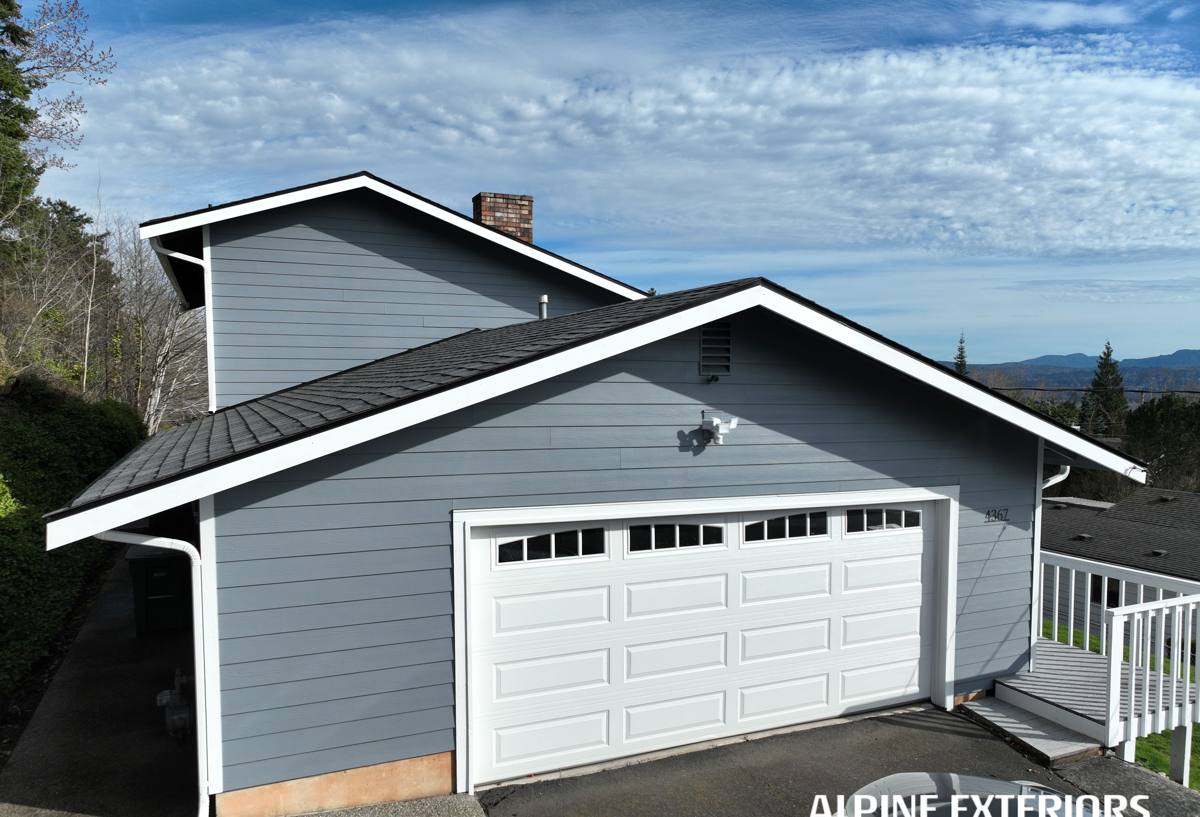
Why Fruitville's Conditions Change the Job
Hurricane-Force Wind
Sarasota County sits squarely in a hurricane-prone region, and Florida's building code reflects that with wind-uplift requirements that are meaningfully stricter than what's required in much of the country. A new roof here isn't just shingles or tile laid down and nailed — it's an assembly engineered to resist uplift at the edges, ridges, and field of the roof, where wind load concentrates hardest during a storm. Fastener pattern, nail count, and edge metal detailing all get more attention here than they would on a roof going up somewhere without that exposure.
Intense, Year-Round UV
Florida sun doesn't take a season off. Roofing materials on a Fruitville home face near-constant high-UV exposure across the full year, which accelerates the breakdown of lower-quality shingle granules, asphalt binders, and unprotected underlayment far faster than the same products would degrade in a milder climate. A roof spec'd for a cooler, cloudier region — even a well-known national product — can underperform here simply because it wasn't tested against this much sun load.
Wind-Driven Rain
Rain in this part of Florida rarely just falls straight down during a storm. It gets pushed sideways and driven upward under roof edges, shingle tabs, and flashing details that would stay dry in an ordinary rain event. That's exactly why underlayment grade and flashing detail matter as much as the visible roofing material itself — most leaks that show up months or years after a new roof goes in trace back to a flashing or underlayment shortcut, not a bad shingle.
Salt Air
Fruitville isn't a beachfront neighborhood, but salt-laden air carries well inland across Sarasota County, especially with onshore wind patterns common through the warmer months. That salt exposure accelerates corrosion on standard-grade fasteners, flashing metal, and any exposed hardware on a roof over time. It's a slower process than wind or rain damage, but it's a steady one, and it's part of why we don't treat coastal-adjacent Sarasota County properties the same way we'd treat a roof going on further inland.
What a Correct New Roof Install Involves
A new roof is a system, not a single product. Each layer does a specific job, and skipping or shortcutting any one of them is usually where problems start.
Tear-Off and Deck Inspection
A full tear-off down to the plywood or OSB deck is the only reliable way to find rot, soft spots, or hidden moisture damage that's been developing under the old roofing, often invisible from inside the attic until it's well along. This step also confirms the deck itself is sound enough to fasten a new roof to correctly — skipping it and building over questionable decking undermines everything installed on top of it.
Underlayment
Synthetic or self-adhered underlayment provides a genuine secondary water barrier, which matters directly in a climate where wind-driven rain routinely gets forced under the roofing material's edges rather than running straight off. Self-adhered membrane at eaves, valleys, and roof-to-wall transitions adds protection exactly where water is statistically most likely to find a way in.
Flashing at Valleys, Penetrations, and Walls
Most roof leaks in this region don't start out in the open field of the roof — they start at flashing. Valleys, chimney and vent penetrations, and the places where a roofline meets a wall all need flashing that's correctly lapped, integrated with the underlayment beneath it, and built as part of the water-shedding system rather than caulked over as an afterthought once the roofing material is already down.
Fastening and Wind-Rated Installation
Nail placement, nail count, and fastening pattern have to follow both manufacturer specification and Florida's wind-uplift code requirements, not a faster shortcut method. That's what keeps the roof assembly locked down under real storm-force wind instead of lifting at ridges and edges over time. On more exposed Fruitville lots with less tree cover, this detail carries even more weight.
Ventilation
Balanced intake and exhaust ventilation keeps the underside of the roof deck dry and moderates attic temperature year-round. In a climate with Fruitville's UV and heat load, poor attic ventilation both shortens roofing material life from underneath and drives up cooling costs — a roof can look fine from the ground and still be working against the house because of airflow nobody's checked in years.
Final Inspection and Cleanup
A completed install gets a full walk of the roof to confirm flashing, fastening, and ventilation details are correct, along with a ground-level cleanup pass for nails and debris. A new roof job isn't finished until both the roof itself and the property around it are left the way they should be.
Comparing Roofing Materials for a Fruitville Home
| Roofing Material | Typical Lifespan | Fit for Fruitville Conditions |
|---|---|---|
| 3-Tab Asphalt Shingles | 15-20 years | Lowest upfront cost, but a lower wind rating makes them a weaker match for hurricane-exposed lots |
| Architectural (Laminated) Shingles | 25-30 years | Heavier construction and stronger wind resistance; the most common practical choice for this climate |
| Metal Roofing | 40-50+ years | Excellent wind and UV performance; higher upfront cost offset by long service life and lower long-term maintenance |
| Concrete or Clay Tile | 50+ years | Strong UV and wind performance when properly fastened; heavier system requiring structural confirmation and higher install cost |
There isn't one universally "correct" material — the right choice depends on the home's structure, the owner's budget and timeline, and how long they intend to be in the house. What matters more than the material itself, across all four options, is whether the underlayment, flashing, and fastening underneath it were done to the standard this climate actually requires.
Cost Factors for a New Roof in This Area
We don't publish blanket per-square-foot pricing because it's genuinely inaccurate until a roof has been measured and inspected, but the factors that move a new roof estimate up or down are consistent from job to job.
- Roof size and pitch: More square footage and steeper pitches both mean more material and more labor time.
- Roof complexity: Multiple valleys, dormers, and penetrations add flashing work and labor beyond a simple rectangular roof plane.
- Material selection: Asphalt shingles, metal, and tile carry meaningfully different material and installation costs, as reflected in the comparison table above.
- Deck condition: Rot or soft decking found during tear-off requires replacement before new roofing can go down, which isn't always visible until the old roof comes off.
- Underlayment and flashing grade: Upgraded synthetic or self-adhered underlayment and premium flashing metal cost more upfront but directly affect how well the roof performs in wind-driven rain.
- Permitting and code requirements: Sarasota County permitting and Florida's wind-uplift code requirements apply to new roof installs and factor into project scope and timeline.
A written estimate should break these factors out individually rather than bundling everything into one number, so a homeowner can actually see what's driving the total.
Signs an Existing Fruitville Roof Needs Replacing
- Curling, cracking, or lifted shingle edges, particularly on wind-exposed roof planes
- Granule loss showing up in gutters or at downspouts, a sign the shingle surface is wearing thin
- Water staining on interior ceilings or in the attic, especially near valleys or roof penetrations
- Visible sagging along the roofline, which can point to deck-level moisture damage underneath
- Rust streaking around flashing, vents, or exposed fasteners
- A roof approaching or past the expected lifespan of its material, even without obvious visible damage
If a roof is showing more than one of these signs, it's worth having it looked at before the next major storm rather than waiting for a leak to force the decision.
How Our Process Works
- Inspection and estimate: We walk the roof and attic, assess the current material and deck condition, and provide a written estimate that breaks out scope and cost rather than a single lump figure.
- Material selection: We go over the realistic options for the home — asphalt, metal, or tile — along with honest tradeoffs on cost, lifespan, and performance in this climate, without pushing toward whatever carries the highest margin.
- Permitting: We handle the permitting process required for a new roof install in Sarasota County so the homeowner isn't navigating that separately.
- Tear-off and deck inspection: Old roofing comes off completely, and the deck underneath is inspected and repaired as needed before anything new goes down.
- Underlayment, flashing, and installation: Each layer goes down to manufacturer and Florida code specification, with particular attention to flashing details and fastening pattern given local wind requirements.
- Final walk-through and cleanup: We inspect the completed roof, walk the property for nails and debris, and go over the finished job with the homeowner before considering it done.
Why It Matters That We Already Work Fruitville
A crew that occasionally works this part of Sarasota County can still install a competent roof, but a crew that regularly works Fruitville and the surrounding area isn't guessing at what this climate requires — we've already seen how standard-grade materials and shortcut installs hold up here, and how properly specified ones do instead. That familiarity shows up in a more accurate first estimate, fewer surprises once tear-off begins, and fastening and flashing decisions that account for real wind and rain exposure rather than a generic install checklist. It also means we already understand Sarasota County's permitting process and Florida's wind-uplift requirements, so that part of the job moves without unnecessary delay.
Whether you're replacing a roof that's reached the end of its service life, dealing with storm damage, or planning ahead of a sale or renovation, we're glad to walk your roof and give you a straight, written assessment — including telling you if a repair makes more sense than a full replacement. Reach out below for a free, no-pressure estimate.