 Sarasota Siding
 Why Lakewood Ranch Roofs Wear Out Differently
Lakewood Ranch sits inland from the Gulf, but that doesn't mean the roof over your head gets an easy life. Homes here still take the full brunt of what the greater Sarasota area throws at a roofing system every year: sustained tropical-storm and hurricane-force wind events, some of the most intense year-round UV exposure in the continental United States, and wind-driven rain that gets pushed sideways under loose flashing and worn shingle edges instead of simply running off. Add in the humid, salt-tinged air that moves inland off the Gulf and Sarasota Bay, and you have a climate that ages roofing materials faster than almost anywhere else in the country.
A roof built for a mild climate somewhere else will not hold up here. Fasteners back out, sealants dry and crack under UV, and underlayment that would last decades up north can fail in half that time. A correctly installed new roof in this area has to be engineered around these specific stresses from the first nail, not patched together and hoped for.
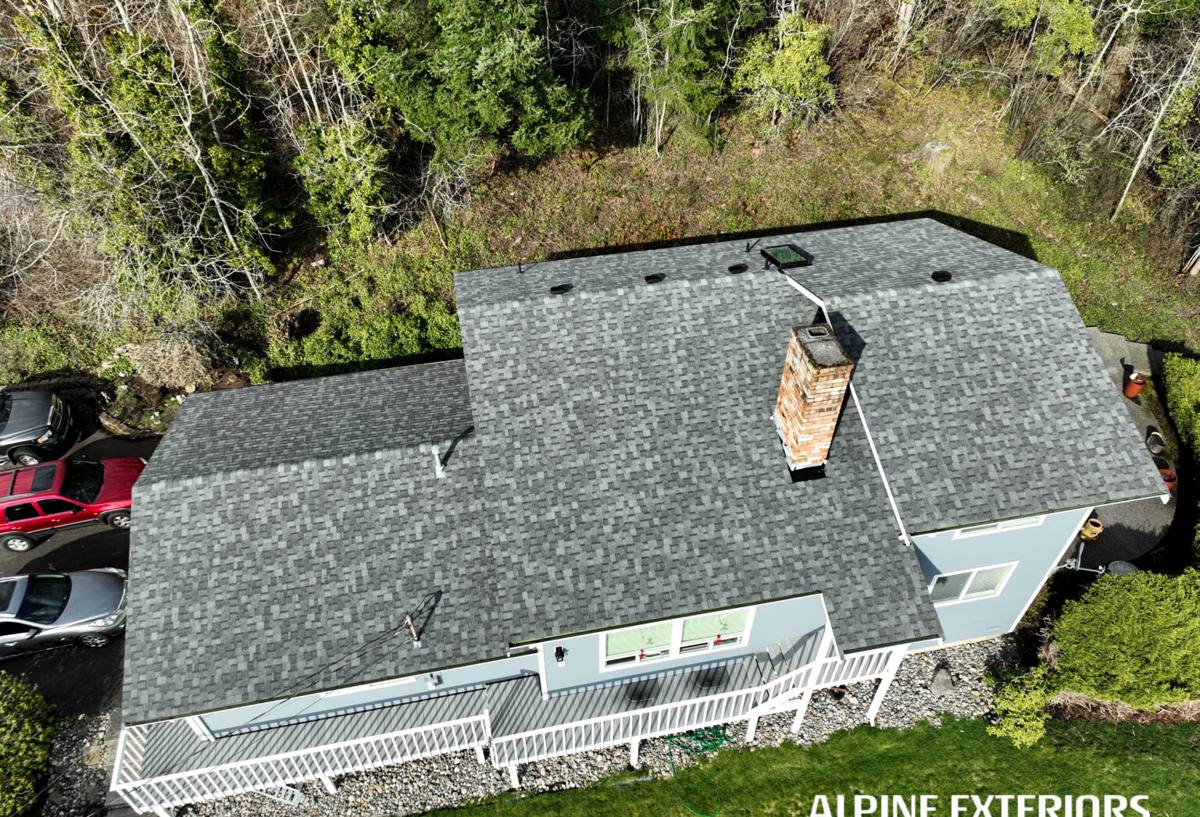
Signs You Need a New Roof, Not Another Repair
Repairs make sense when the damage is isolated and the roof still has useful life left. A full replacement makes sense when the underlying materials are worn out across the board, or when repeated repairs are just delaying the same conversation. Common signs we look for on Lakewood Ranch homes include:
- Shingles that are cupping, curling, or losing granules in patches rather than one spot
- Soft or spongy decking felt underfoot, especially near valleys and roof-to-wall intersections
- Repeated leaks after wind-driven rain, even after flashing has been resealed
- A roof approaching or past its rated lifespan, particularly if it's never had a tear-off
- Visible daylight or gaps at the ridge, hips, or eaves
- Rising insurance premiums or a carrier flagging the roof's age during a wind-mitigation inspection
If more than one of these applies, a replacement is usually the more honest recommendation than another round of patching.
What a Correctly Installed New Roof Actually Involves
Deck Inspection and Repair
Everything else on the roof is only as good as the deck underneath it. Once the old roofing is stripped, we inspect every sheet of decking for rot, delamination, or fastener pull-through before anything new goes down. Skipping this step is one of the most common shortcuts in the industry, and it's the reason some "new" roofs fail years before they should.
Underlayment and Secondary Water Barrier
Given how often wind-driven rain finds its way under shingles and tile during Sarasota-area storms, the underlayment layer matters as much as the surface material. A self-adhering, high-temperature underlayment at eaves, valleys, and penetrations acts as a secondary water barrier — a true backup layer that keeps water out of the living space even if wind lifts the roof covering itself. Florida's code has pushed harder on this over the last several years, and it's a step we don't shortcut.
Flashing and Fastening
Wind uplift starts at the edges — drip edge, rake, valleys, and any wall or chimney flashing. Correct fastening patterns and nail counts, matched to the wind speed zone this area falls under, make the difference between a roof that stays intact through a tropical storm and one that starts losing shingles at the first gust. This is also where corrosion-resistant fasteners matter; salt-laden air will attack standard fasteners faster than most homeowners expect.
Ventilation
Intense year-round UV heats attic spaces hard, and poor ventilation traps that heat, shortening the life of shingles from underneath while driving up cooling costs. Balanced intake and exhaust ventilation isn't optional trim — it's part of what makes a roofing system last.
Choosing the Right Roofing Material for This Climate
There's no single "best" material for every Lakewood Ranch home — it depends on your roof's pitch, your home's structure, your budget, and how long you plan to stay in the house. Here's how the common options compare under this region's specific conditions:
| Material | Wind Performance | UV/Heat Behavior | Typical Lifespan Here | Maintenance |
|---|---|---|---|---|
| Architectural asphalt shingle | Strong with proper nailing and a rated wind class | Granule loss over time from constant UV | 18-25 years | Low, periodic inspection |
| Concrete or clay tile | Excellent when correctly fastened/adhered | Handles heat and UV very well | 30-50 years | Occasional broken-tile repair; underlayment still ages faster than tile |
| Standing seam metal | Very strong, fewer failure points | Reflects heat, low degradation | 40-plus years | Low; watch fastener and sealant points at penetrations |
We'll walk through which option fits your specific roof and budget honestly, including the real trade-offs — tile and metal cost more up front but can mean fewer full replacements over the time you own the home.
Permits, Codes, and Insurance in the Lakewood Ranch Area
Lakewood Ranch spans parts of both Manatee and Sarasota counties, so depending on exactly where your property sits, your permit and inspection process may run through a different building department than your neighbor's. We handle that coordination as part of the job — pulling the correct permit, scheduling the required inspections, and making sure the completed work is documented the way your county and your insurance carrier expect.
Many Lakewood Ranch neighborhoods also carry HOA architectural guidelines covering roof color, material, and tile profile. We factor that into the proposal stage so there are no surprises with your community association after the fact. And because Florida insurers increasingly ask for wind-mitigation documentation, we provide the paperwork showing the fastening, underlayment, and code compliance details that can affect your premium.
Our Installation Process, Start to Finish
- Inspection and estimate — We assess the existing roof, decking condition, and any HOA or code considerations specific to your address, then provide a clear written estimate.
- Permitting — We pull the permit through the correct county or municipal office before work begins.
- Tear-off and deck inspection — Old materials come off completely; decking is inspected and any damaged sections are replaced before moving forward.
- Underlayment and secondary water barrier installation — Self-adhering membrane goes down at vulnerable points, followed by the full underlayment layer.
- Flashing, drip edge, and ventilation components — Installed to the wind-rated fastening standards this area requires.
- Roofing material installation — Shingle, tile, or metal installed per manufacturer specification and local code.
- Final inspection and cleanup — We coordinate the required county inspection, do a full magnetic sweep for debris, and walk the finished roof with you.
What Drives the Cost of a New Roof
Every roof is priced on its own specifics, but the main variables are consistent. This gives you a sense of what actually moves the number up or down:
| Factor | Why It Matters |
|---|---|
| Roof size and pitch | More surface area and steeper pitches mean more material and labor time |
| Material choice | Shingle, tile, and metal carry different material and installation costs |
| Decking condition | Rotted or delaminated sheathing found during tear-off requires replacement before roofing can proceed |
| Layers to remove | Multiple existing layers add tear-off labor and disposal cost |
| Access and roof complexity | Valleys, dormers, and multiple roof planes take more time to flash correctly |
| Permit and code requirements | Wind-rated fastening and secondary water barriers add material cost but reduce storm risk |
We break these factors out in every estimate so you understand exactly what you're paying for, not just a bottom-line number.
Why Local Experience in Lakewood Ranch Matters
A roofing crew that works this area regularly already knows which county's permit office to call, what a given HOA typically approves, and which wind-speed and fastening requirements apply to your specific neighborhood. That familiarity shows up in fewer delays, fewer surprises during inspection, and a roof that's actually built for the conditions it will face — not a generic install.
Before hiring anyone to replace your roof, it's worth asking a few direct questions:
- Are you licensed to perform roofing work in this county, and can you provide proof of insurance?
- Will you pull the permit yourself, and who schedules the inspections?
- What underlayment and fastening specification do you use for wind-rated installations?
- Do you provide documentation for wind-mitigation insurance credits?
- What's included in your workmanship warranty, separate from the manufacturer's material warranty?
A contractor who works Sarasota-area roofs regularly should be able to answer all of these without hesitation.
If your roof is showing its age or you're planning ahead of the next storm season, we're happy to take a look and give you a straight answer about repair versus replacement. Reach out for a free, no-pressure estimate using the form below.