 Sarasota Siding
 Why Storm Damage Hits Osprey Roofs Harder
Osprey sits in Sarasota County along the Gulf Coast, between Sarasota and Venice, which means the roofs here take on a combination of stresses that inland Florida homes don't deal with in the same way. Hurricane-force wind events test every fastener, seam, and flashing detail a roof has. Wind-driven rain finds its way into gaps that ordinary rainfall never reaches. Year-round, intense UV breaks down roofing materials faster than in most of the country. And for homes near the bay or open water, salt air works on metal roofing components and fasteners continuously, not just during storms. Any one of those on its own is manageable. Together, over years, they're the reason a roof that looks fine from the driveway can have real damage that only shows up once someone gets up there and looks closely.
Storm damage roof repair done right in Osprey means correctly telling the difference between damage that needs immediate attention and wear that can be monitored, then fixing what's actually wrong instead of just patching the visible symptom. This page covers what typically goes wrong with roofs out here after a storm, how a correct repair is scoped and done, and why a crew that already works this part of Sarasota County catches things a crew unfamiliar with the area might miss.
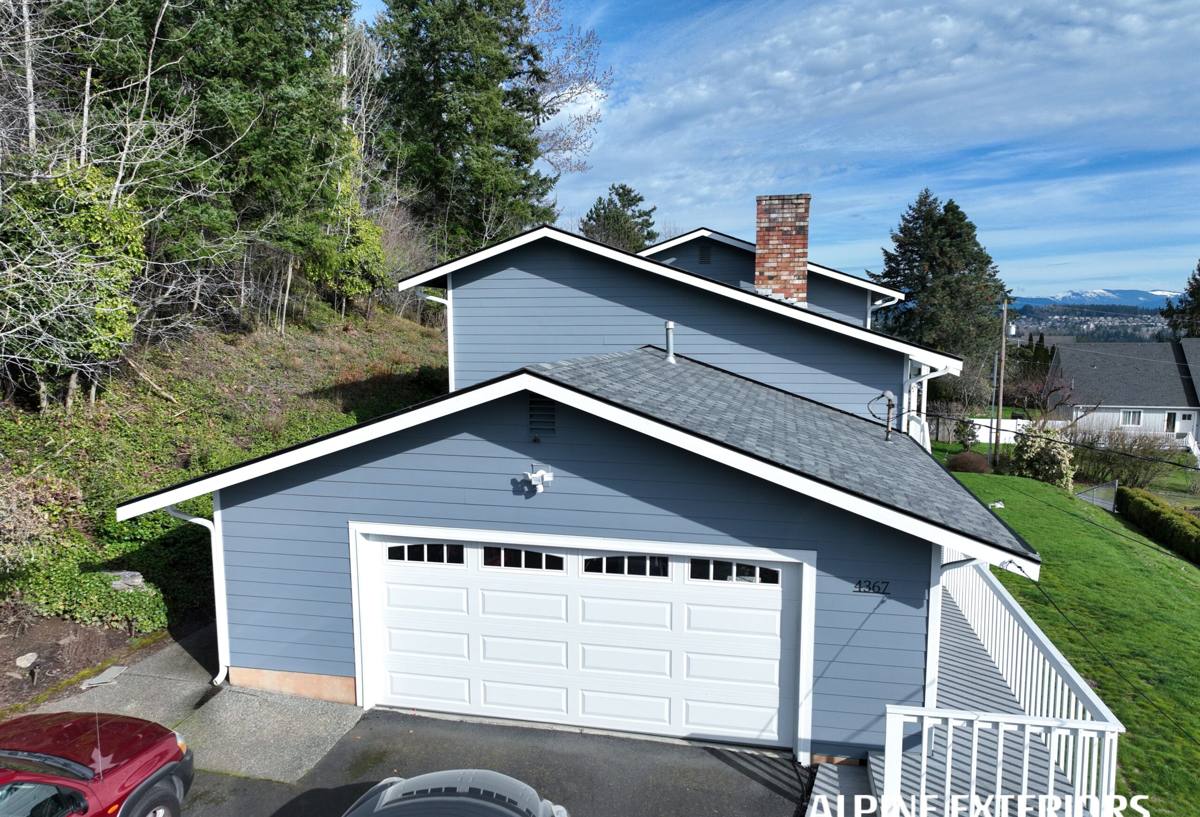
What Actually Damages Roofs Here
Wind Uplift at Edges, Ridges, and Valleys
Roof edges, ridge caps, and valleys are where wind uplift concentrates first, because that's where wind can get underneath a roofing material and pry at it rather than just pass over it. After a wind event, it's common to find shingles that have lifted, cracked, or gone missing entirely along these lines, along with ridge cap pieces that have loosened even when the field of the roof looks untouched. Metal roofing can see panels or seams work loose the same way, at the same locations.
Wind-Driven Rain Intrusion
Wind-driven rain doesn't behave like a normal rainstorm. It gets pushed sideways and even slightly upward into gaps around vents, chimneys, skylights, and valleys that are designed to shed water moving straight down, not water being forced sideways under pressure. A roof can survive the wind itself and still end up with water intrusion at these points, and that intrusion often isn't obvious from outside — it shows up later as a stain on an interior ceiling or a damp spot in the attic.
UV and Heat Cycling
Florida's UV exposure is intense and year-round, and it breaks down the protective granules on asphalt shingles, dries out sealant, and accelerates aging on underlayment and flashing components. Roofs here age faster under the sun than the same materials would in a milder climate, which means a roof's real remaining service life is often shorter than its age on paper would suggest — a factor that matters directly when deciding whether storm damage is worth repairing or signals it's time to look at the roof's overall condition.
Salt Air Corrosion
For roofs near Little Sarasota Bay, the Intracoastal, or the Gulf, salt-laden air settles on exposed metal continuously — fasteners, flashing, drip edge, vent stacks, and any metal roofing panels. Corrosion at these points doesn't always show from the ground, but a corroded fastener or a flashing seam that's lost its seal is exactly the kind of weak point that fails first in the next storm. This is one of the most common things we find during a post-storm inspection that the homeowner had no way of knowing about beforehand.
Common Signs of Storm Damage
Some storm damage is obvious. A lot of it isn't, and knowing what a given sign usually means helps set realistic expectations before an inspection.
| What You See | What It Often Means | Urgency |
|---|---|---|
| Missing or visibly lifted shingles | Wind uplift at that section of roof | Address soon — exposed decking is vulnerable to the next rain |
| Granules collecting in gutters or downspouts | Shingle wear, accelerated by UV and sometimes hail impact | Worth a look — indicates aging material, not always an emergency |
| Ceiling stain or damp spot after a storm | Water intrusion, often at flashing, a valley, or a penetration | Prompt attention — active leaks can spread damage quickly |
| Bent, lifted, or missing flashing around a chimney or vent | Wind damage or corroded fasteners at that penetration | Address soon — a common leak point once compromised |
| Dented or creased metal roofing panels | Wind-blown debris impact | Cosmetic in many cases, but worth confirming the seam is intact |
| Sagging section of roofline | Possible structural or decking damage beneath the surface | Immediate — this is not a cosmetic issue |
The honest starting point is that anything involving active water intrusion or a sagging section needs attention right away. Everything else can typically wait for a scheduled inspection, but shouldn't be ignored indefinitely.
What to Do Right After a Storm
Before any repair conversation, there are a few things worth checking safely from the ground:
- Walk the exterior and look for shingles, tiles, or debris in the yard, which tells you material has come off the roof somewhere
- Check gutters and downspouts for granule buildup or dented sections
- Look at the roofline from a distance for anything visibly out of alignment, sagging, or missing
- Check attic spaces and ceilings for new stains, damp insulation, or daylight showing through the roof deck
- Photograph anything unusual before cleanup begins, since documentation is easier to gather right after the event than weeks later
- Avoid getting on the roof yourself — storm-damaged roofing can hide weak spots that aren't safe to walk on
None of this replaces a professional inspection, but it gives you a realistic sense of whether you're dealing with a minor repair or something that needs prompt attention, and it helps the inspection go faster once someone is on site.
How We Diagnose a Storm-Damaged Roof
A repair scope that's actually accurate starts with a real inspection, not an estimate based on what's visible from the driveway. That typically includes checking the roof surface itself for lifted, cracked, or missing material section by section; examining every flashing point — chimneys, vents, skylights, valleys — since these fail more often than the open field of the roof; checking fastener condition, particularly on metal roofing or in areas with salt air exposure; looking at the attic from the inside for signs of water intrusion that haven't reached the ceiling yet; and assessing whether decking underneath the roofing material has been compromised by moisture, not just the surface layer. We document what we find with photos so you have a clear, specific record of the damage, not a vague summary.
Repair vs. Replace: How That Decision Gets Made
Storm damage doesn't automatically mean a full roof replacement, and it doesn't automatically mean a small patch will hold either. The factors that actually drive this decision, honestly:
- How localized the damage is. Damage confined to one section — a valley, a slope, a few penetrations — is usually a strong repair candidate.
- The roof's age and remaining service life. A roof already near the end of its expected lifespan may not be worth investing in a significant repair, since the same storm exposure will likely cause similar damage again soon.
- Whether decking underneath is sound. Surface damage over solid decking is a straightforward repair. Damage that's reached the decking changes the scope and cost meaningfully.
- Material availability for an exact match. On aging roofs, an exact shingle or tile match isn't always available, which factors into whether a visible patch is acceptable or a broader replacement makes more sense.
We'll give you a straight answer on which category your roof falls into, including when a repair is genuinely the right call rather than defaulting to the larger job.
What a Correct Storm Repair Involves
Matching the Existing Roofing System
A repair means integrating new material into an existing roof correctly — matching shingle type, tile profile, or metal panel style so the repaired section performs the same as the rest of the roof, not just looks similar from a distance. Where an exact match isn't available, we'll tell you that upfront rather than after the work is done.
Flashing and Underlayment Done to Standard
Most leaks trace back to flashing or underlayment, not the roofing material itself, so a repair that only replaces shingles or tiles over a compromised flashing detail will leak again. We address the actual failure point — resealing or replacing flashing, correcting underlayment — not just the material sitting on top of it.
Fastening and Attachment for Real Wind Exposure
Repairs are fastened to current wind-resistance standards for this part of the Gulf Coast, not a like-for-like match to whatever was there before, especially if the original installation is part of why the roof failed in this storm. This is one of the most meaningful differences between a repair that holds through the next storm season and one that doesn't.
Insurance and Permitting Basics
Many storm repairs in Osprey involve an insurance claim, and Sarasota County permitting applies to roofing work meeting certain scope thresholds. We're not a substitute for your insurance adjuster or agent, but we can provide clear documentation of the damage and the repair scope, which is genuinely useful when you're filing or discussing a claim. On the permitting side, we handle what's required for the work we perform so the repair is properly documented and inspected where applicable — that's part of doing the job correctly, not an extra step tacked on.
Why It Matters That We Already Work Osprey
A roofing crew that mostly works inland can still do competent repair work, but Osprey roofs carry variables that come up more often here than elsewhere in the county — salt air exposure tied to proximity to the bay and Gulf, wind design considerations for open or partially open exposure, and the mix of roofing types common on homes in this area. Working here regularly means we're not learning those variables on your project. We know what corrosion actually looks like on a fastener that's been exposed to salt air for a few years, what flashing detail tends to fail first in this kind of wind event, and how Sarasota County permitting applies to the repair work we're proposing, because we've done this work on roofs like yours before.
That familiarity also means a more accurate first estimate, with fewer surprises once work is underway, because the inspection was built around how this environment actually behaves rather than a generic checklist.
Get a Straight Assessment of Your Roof
Whether you're dealing with obvious storm damage or just want a professional look after a rough weather event to confirm everything's sound, we're glad to walk the roof and explain what we find plainly — including if the honest answer is that it doesn't need much. Reach out below for a free, no-pressure estimate.