 Sarasota Siding
 Roof Repair Built for Ellenton's Climate
A roof in Ellenton works harder than a roof almost anywhere else in the country. Between hurricane-season wind loads, sun that beats down nearly every day of the year, and the salt-laden air that drifts in off the Gulf Coast, the materials on top of your house are under constant, compounding stress. Roof repair here isn't just patching a leak — it's understanding why that leak happened in this specific environment and fixing it in a way that holds up to the next storm, not just the next dry spell.
We work on homes throughout the Sarasota area, and Ellenton roofs tend to show a recognizable pattern of wear: cracked or lifted shingles on the sides that catch the most afternoon sun, corroded fasteners and flashing near the coast-facing exposures, and soft spots around penetrations where wind-driven rain has been finding its way in over several seasons rather than one dramatic event. Knowing that pattern before we ever get on the roof is a big part of doing the repair right the first time.
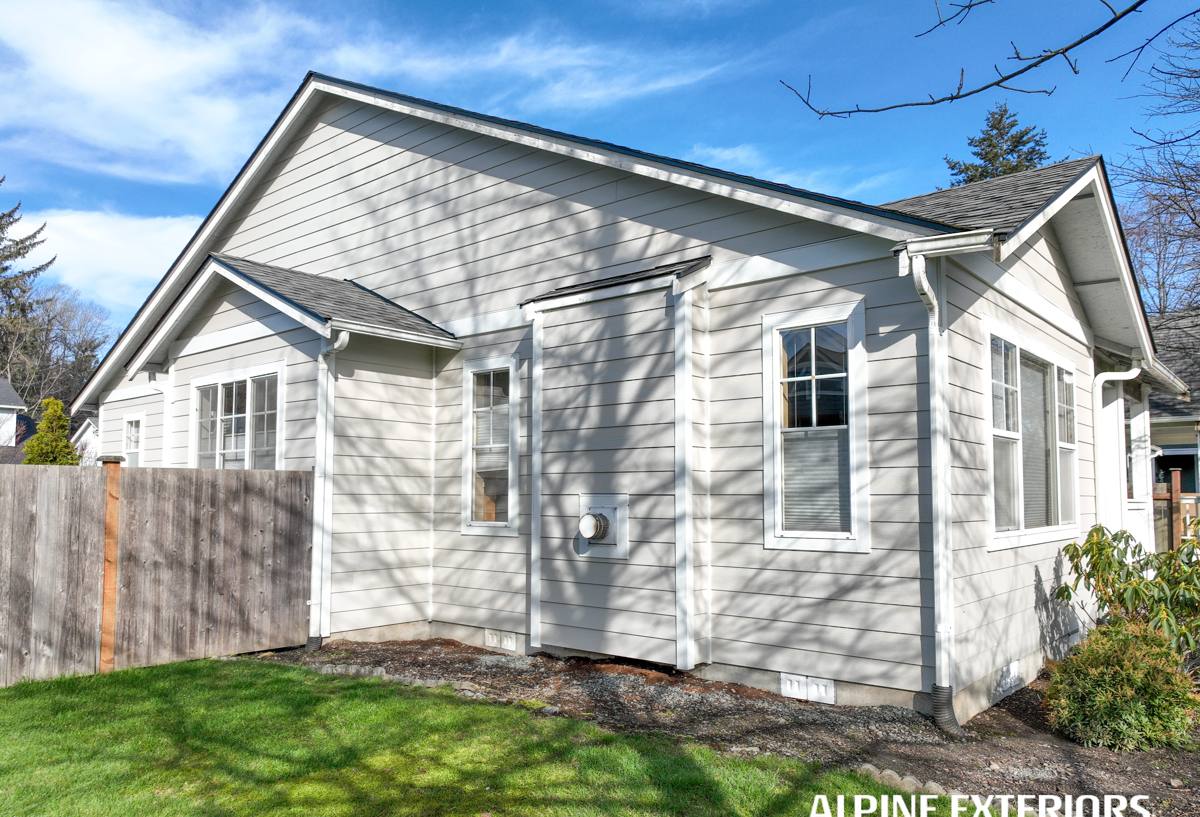
What Florida Weather Actually Does to a Roof
Hurricane and tropical-storm wind
Sustained high winds don't just rip shingles off outright — more often they work edges and corners loose a little at a time, breaking the seal strip that holds each shingle down. Once that seal is broken, the next storm has an easier time getting underneath. Wind also loads up on ridge caps, hip lines, and any spot where the roof deck changes plane, which is why those areas fail first.
Year-round intense UV
Sarasota-area sun is relentless, and it ages roofing material faster than it would in most of the country. UV exposure dries out asphalt shingles, making them brittle and prone to cracking rather than flexing. It also breaks down sealants and adhesives around flashing and penetrations years before they'd otherwise wear out, which is a big reason small leaks show up "out of nowhere" on roofs that still look okay from the ground.
Wind-driven rain and salt air
Rain that comes in sideways during a storm finds gaps that vertical rain never would — under shingle edges, around vent boots, along step flashing at walls and chimneys. Add in salt air from the coast, which accelerates corrosion on metal flashing, nails, and fasteners, and you get a roof where the fasteners and flashing often fail before the shingles themselves do.
Signs Your Roof Needs Repair, Not Just a Look
Most roof problems in this climate give some warning before they turn into a real leak. Worth checking for, or having us check for, on a regular basis:
- Shingles that are cracked, curling at the edges, or missing granules (shows as bare, darker patches)
- Missing or lifted shingles after any storm with sustained wind, even if nothing looks dramatic from the driveway
- Rust streaks or visible corrosion on flashing, vent caps, or exposed fasteners
- Soft or discolored ceiling spots, especially near chimneys, skylights, or where the roof meets a wall
- Granules collecting in gutters or at the base of downspouts
- Daylight visible through the roof deck from inside the attic
- Higher-than-usual cooling bills, which can point to attic moisture or failing insulation from a slow leak
Any one of these on its own might be minor. Several together, or anything after a named storm, is worth a proper inspection before the next rain event.
What a Proper Repair Actually Involves
Diagnose the cause, not just the symptom
A leak stain on the ceiling and the actual entry point for water are often several feet apart, since water travels along the underlayment and rafters before it shows up indoors. A repair that just patches the visible spot without tracing the path back to the real failure — a cracked pipe boot, a nail hole, a flashing gap — tends to come back. We start every repair by finding the actual source.
Match materials, don't just cover the gap
Shingles fade and weather over time, so a patch using the wrong color or a different manufacturer's profile stands out and can also behave differently under wind and heat than the surrounding roof. Where an exact match isn't available, we're upfront about that rather than pretending it's invisible.
Flashing and underlayment come first
Most persistent leaks trace back to flashing — around chimneys, skylights, walls, and vent penetrations — rather than the shingles themselves. A repair that replaces shingles but reuses old, corroded, or improperly lapped flashing is treating the part that's easiest to see instead of the part that's actually failing.
Fasteners matter in salt air
Standard fasteners corrode faster this close to the coast. We use corrosion-resistant fasteners appropriate for the exposure, since a repair held down with the wrong hardware is a repair with a shorter clock on it than it should have.
Common Repair Types We Handle
| Repair Type | Typical Cause | What's Involved |
|---|---|---|
| Wind-damaged or missing shingles | Storm wind, broken seal strips, aging adhesive | Remove damaged shingles, inspect deck and underlayment beneath, install matched replacements |
| Flashing repair or replacement | Corrosion, improper original install, sealant failure | Remove and replace flashing at chimneys, walls, valleys, or vents; re-lap correctly with new underlayment |
| Vent boot / pipe penetration leaks | UV-cracked rubber boots, dried sealant | Replace boot, reseal, check surrounding shingles for related damage |
| Soft or damaged decking | Long-term slow leak, hidden moisture | Cut out and replace affected decking section before re-roofing that area |
| Ridge and hip cap repair | Highest wind exposure point on the roof | Re-secure or replace ridge caps with correct fasteners and sealant |
Cost on any of these depends less on square footage and more on how many of these issues are stacked together, whether the decking underneath is sound, and how easy or difficult access is for a given roof pitch and layout. We give a firm number after we've actually seen the roof, not before.
Our Repair Process
1. Inspection
We get on the roof (or use a safe vantage point when conditions call for it) and check the area in question along with the rest of the roof, since storm and sun damage rarely stay confined to one spot.
2. Straight answer and estimate
We tell you what we found, what's actually causing the problem, and what it'll take to fix it — including if a repair isn't the right call and the roof is closer to needing full replacement. You get a clear estimate before any work starts.
3. The repair itself
We remove and replace what's actually failed — shingles, flashing, boots, decking, or a combination — using matched materials and fasteners suited to this climate, not whatever's fastest to grab.
4. Cleanup and follow-up
We clear debris, nails, and old material from the property, and we're available afterward if anything about the repair needs a second look.
Repair vs. Replacement: How We Decide
Not every roof problem needs a full new roof, and not every roof problem is fixable with a patch. A roof with isolated wind damage, a single failed flashing point, or one bad vent boot is usually a straightforward repair. A roof with widespread granule loss, multiple soft spots, or shingles that are brittle and cracking across large sections is telling you the whole roofing system is near the end of its service life, and repairs at that point become a short-term fix for a long-term problem. We'll tell you honestly which category your roof is in — our reputation with Ellenton homeowners depends on that being right more than it depends on selling a bigger job.
Why Hiring a Crew That Already Works This Area Matters
A roofing crew that regularly works in and around Ellenton and the broader Sarasota area already knows what to expect before the ladder goes up: which flashing details tend to fail first on homes built in a given era, how the local wind exposure and salt air have likely aged the roof, and what a correct repair needs to hold up to the next hurricane season rather than just the next inspection. That local familiarity shows up in fewer surprises, faster accurate diagnosis, and repairs sized to what the roof actually needs rather than a generic checklist.
Keeping Your Roof in Good Shape Between Repairs
A little regular attention goes a long way in this climate. Keep gutters clear so water isn't backing up under the roof edge, trim back branches that scrape shingles in wind, and have the roof looked at after any storm with sustained high wind, even if nothing looks obviously wrong from the ground. Small issues caught early are almost always cheaper and simpler to fix than the same issue after another season of Florida sun and rain have had a chance to make it worse.
If you're noticing any of the warning signs above, or just want an honest read on where your roof stands, we're happy to take a look. Reach out for a free, no-pressure estimate using the form below — we'll give you a straight answer either way.