 Sarasota Siding
 Gulf Gate Estates Roofs Work Harder Than Most People Realize
Gulf Gate Estates is one of Sarasota's older, well-established neighborhoods, and that means a lot of the roofs here have already been through years of Gulf Coast weather. Between hurricane-force wind events, intense year-round UV exposure, wind-driven rain, and the salt air that comes off the nearby Gulf, roofing materials in this part of Sarasota County age differently than they would inland. A roof that looks fine from the driveway can have real problems underneath, and small issues left alone tend to turn into bigger, more expensive ones by the next storm season.
We repair roofs in Gulf Gate Estates on a regular basis, which means we see the same failure patterns over and over. That local experience matters, because a roof repair here isn't just a generic patch job — it has to account for the specific way sun, wind, and moisture attack a roof in this particular part of Florida.
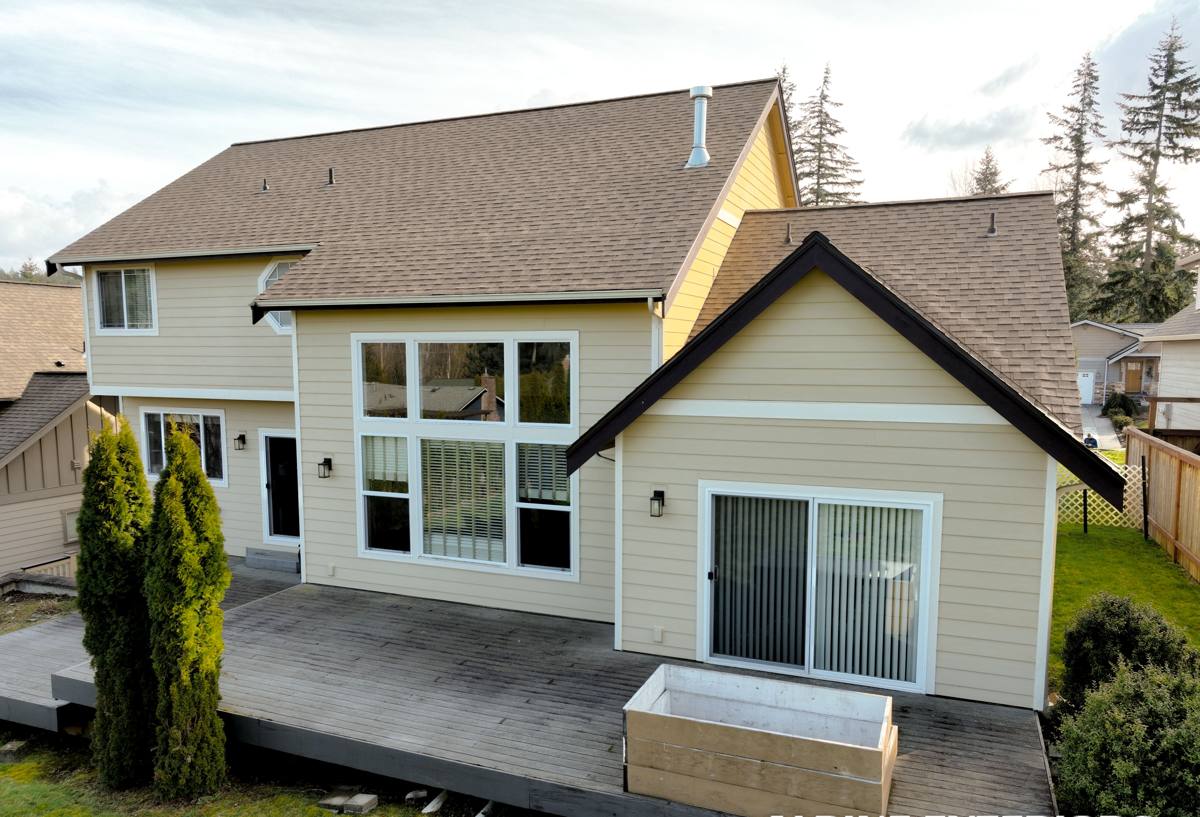
Why the Local Climate Matters for Repair Work
UV and Heat
Sarasota gets intense, near-constant sun exposure. Over time, UV radiation dries out asphalt shingles, causing granule loss, curling, and cracking. On flat or low-slope roof sections, UV also breaks down membrane materials faster than manufacturers' lab testing sometimes suggests, especially on roofs that don't get regular maintenance.
Wind and Storms
Gulf Gate Estates isn't directly on the coast, but it's still well within range of tropical storm and hurricane wind events that move through the Sarasota area most years. High wind doesn't just tear off shingles outright — it also lifts and loosens shingle edges and flashing just enough to let water in, without leaving any obvious damage that's visible from the ground.
Wind-Driven Rain
When rain comes in sideways during a storm, it finds every weak point in a roof system — lifted shingle tabs, gaps in flashing, aging pipe boots, worn valleys. This is why so many "mystery leaks" show up during or right after a storm even though the roof appeared to survive it.
Salt Air
Even at a few miles from the water, salt in the air accelerates corrosion on exposed metal roofing components — nails, flashing, drip edge, and vent stacks. Corroded fasteners and flashing are one of the most common hidden causes of slow leaks we find on older homes in this area.
Common Roof Problems We Find in This Neighborhood
Because many homes in Gulf Gate Estates were built decades ago, we regularly encounter a mix of age-related wear and storm-related damage, often on the same roof at the same time. The most common issues include:
- Curling, cracked, or granule-bald shingles from long-term UV exposure
- Lifted or missing shingles along ridges and edges from wind events
- Cracked or deteriorated rubber pipe boots, which are one of the single most common leak sources on any roof
- Corroded or improperly sealed flashing around chimneys, walls, and roof-to-wall transitions
- Ponding water and membrane wear on flat or low-slope roof sections
- Soft or discolored roof decking where a slow leak has gone unnoticed
- Clogged or damaged gutters contributing to water backing up under the roof edge
What a Correct Roof Repair Actually Involves
A lot of roof "repairs" are really just cosmetic patches that don't address the underlying cause. Done correctly, a repair should fix the actual failure point, not just cover it up. Here's what we consider non-negotiable on any repair job:
1. Find the Real Source of the Leak
Water often travels along the underside of decking or roof felt before it shows up as a stain inside the house, so the spot where you see damage indoors is frequently not the spot where water is entering the roof. We trace it back to the actual entry point instead of guessing.
2. Match Materials Correctly
Patching in mismatched shingle types, colors, or thicknesses creates a repair that fails faster than the surrounding roof and often looks obviously different. When an exact match isn't available due to age or discontinued product lines, we'll walk you through the honest trade-offs rather than pretend a bad match won't be noticeable.
3. Rebuild the Water Barrier, Not Just the Surface
Shingles are only the visible layer. Underlayment, flashing, and proper fastening are what actually keep water out. A repair that replaces shingles but ignores compromised underlayment or corroded flashing underneath is a short-term fix at best.
4. Check Adjacent Areas
Storm and UV damage rarely stays isolated to one spot. We check surrounding sections, valleys, and penetrations so you're not calling us back for a "new" leak two feet from the one we just fixed.
Repair or Replace? What Actually Drives That Decision
Not every roof problem in Gulf Gate Estates needs a full replacement, but not every roof is a good candidate for another round of patches either. These are the honest factors that go into that decision:
| Factor | Leans Toward Repair | Leans Toward Replacement |
|---|---|---|
| Roof age | Under 12-15 years, shingles still flexible | Near or past expected shingle lifespan |
| Damage extent | Isolated to one section or component | Widespread granule loss, multiple leak points |
| Decking condition | Solid, dry, no soft spots | Soft, discolored, or rotted decking found |
| Storm history | Single recent event, otherwise sound roof | Repeated storm damage over several seasons |
| Underlayment | Intact and still doing its job | Brittle, torn, or failing in multiple areas |
We'll always tell you honestly which category your roof falls into, including when a repair is genuinely the right call and a replacement would be overkill.
Our Process for Gulf Gate Estates Repairs
Inspection
We start with a full roof inspection, not just a look at the spot you called about. That includes flashing, penetrations, valleys, and the underside of the decking where it's accessible, so we understand the whole picture before we quote anything.
Clear Explanation
Before any work starts, we explain what's actually wrong, what caused it, and what the repair will involve — in plain language, not vague trade jargon.
The Repair Itself
We remove and replace only what needs replacing, matching materials as closely as possible, rebuilding flashing and underlayment where it's compromised, and re-securing everything to current wind-resistance standards where applicable.
Cleanup and Final Check
We clear debris and old materials, then do a final walk-through so you can see what was done and ask questions before we consider the job complete.
Materials: Our Standard and Why
We use quality architectural shingles, proper synthetic underlayment, and corrosion-resistant flashing and fasteners as our standard for repair work in this climate. This isn't about brand loyalty — it's about what holds up honestly to sun, wind, and salt air without creating a maintenance headache down the road. Lower-cost materials sometimes look identical on day one but degrade faster under intense UV or fail sooner at fastener points exposed to salt air, which usually ends up costing more in repeat repairs than it saves upfront. When there are genuine trade-offs between material options — appearance, cost, longevity, warranty terms — we'll lay those out plainly so you can make an informed decision, not a sales pitch.
Why Hiring a Crew That Already Works in Gulf Gate Estates Matters
A roofer who regularly works in this part of Sarasota County already understands the local wind and building code requirements, knows what permitting looks like for the area, and has seen how roofs of different ages and construction styles in this neighborhood typically fail. That means fewer surprises, a more accurate diagnosis on the first visit, and a repair that's built to hold up to the next storm season rather than just the next dry spell. It also means we're not guessing at what "normal" looks like for a roof around here — we're comparing it against roofs we've already worked on nearby.
Signs Your Roof Needs Attention Now
Waiting on a roof issue in this climate almost always makes the eventual repair bigger and more expensive. Call for an inspection if you notice any of the following:
- Water stains on ceilings or interior walls, especially after a storm
- Missing, curling, or visibly cracked shingles
- Granules collecting in gutters or at downspout outlets
- Daylight visible through the attic roof deck
- Soft or spongy spots when walking the roof (professionals only — never walk a roof yourself to check this)
- Visible rust or corrosion on flashing, vents, or fasteners
- Ponding water that doesn't drain within 48 hours on flat sections
- A recent hailstorm, tropical storm, or high-wind event, even without obvious visible damage
Get an Honest Look at Your Roof
If you're dealing with a leak, storm damage, or just want a straight answer on whether your Gulf Gate Estates roof needs repair or can hold on a while longer, we're happy to take a look. The estimate is free, there's no pressure, and you'll get a clear explanation of what we find — use the form below to get started.