 Sarasota Siding
 Rosemary District Homes Face a Tougher Climate Than Most Siding Is Built For
Rosemary District sits close enough to Sarasota Bay and the Gulf that its homes absorb a steady diet of salt-laden air, intense UV exposure nearly every day of the year, and the kind of wind-driven rain that turns a normal afternoon storm into a real test for exterior walls. Add hurricane season, and siding here isn't just a cosmetic choice — it's part of the building envelope that has to hold up under wind loads, keep moisture out of wall cavities, and survive decades of sun without chalking, fading, or warping.
A lot of siding products perform fine in a mild inland climate and then struggle in a barrier-adjacent Sarasota County neighborhood like this one. Vinyl softens and distorts in sustained heat and can crack in wind-borne debris impacts. Wood and primed spruce trim absorb moisture at cut edges and joints, which is exactly where humidity and wind-driven rain like to find their way in. That combination is why we standardized on James Hardie fiber cement and don't install anything else — it's engineered specifically for climates like this one.
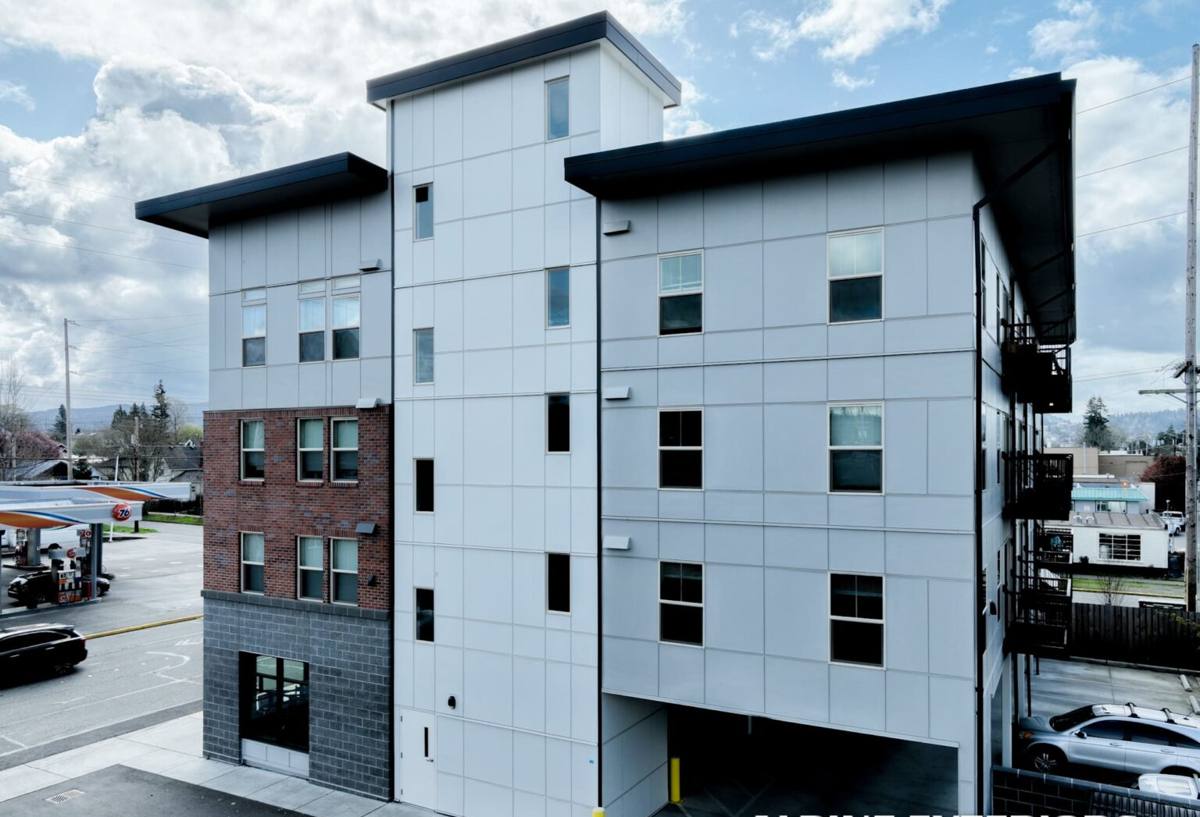
What James Hardie Brings to a Coastal Sarasota Property
Climate-Engineered HZ5 Formulation
James Hardie's HZ5 product line is formulated for hot, humid, storm-prone regions like ours. The fiber cement composition resists moisture absorption far better than wood-based siding products, which matters enormously in a neighborhood exposed to both salt air and heavy seasonal rainfall. It's also non-combustible, which is a real advantage during Florida's dry, windy stretches when wildfire risk and ember exposure become a concern for any community.
ColorPlus Factory Finish
Standard field-painted siding is only as good as its weakest coat, and repainting every few years isn't realistic for most homeowners. ColorPlus technology bakes on multiple coats of finish at the factory under controlled conditions, giving the color far better resistance to UV fading and salt-air degradation than anything applied on-site with a brush or sprayer. In a location that gets sun exposure nearly year-round, that factory cure is the difference between a home that still looks sharp in year eight and one that needs a repaint.
Wind and Impact Performance
Properly installed Hardie siding is rated to withstand high wind speeds when fastened to manufacturer specification — a critical detail for any Sarasota-area home in a hurricane-exposed zone. The rigidity of fiber cement also holds up better against wind-driven debris than vinyl, which can crack or blow off entirely in a strong gust.
Why We Don't Install Other Siding Products Here
We get asked regularly why we don't offer vinyl, LP SmartSide, or other fiber cement brands like Allura or Cemplank as lower-cost alternatives. Each of these products has legitimate uses in the right climate — this isn't about calling them bad products. It's about what we've seen hold up, and not hold up, on homes exposed to Gulf Coast conditions year after year.
- Vinyl siding is affordable and low-maintenance in mild climates, but it softens in extreme heat, becomes brittle in cold snaps, and has less impact resistance against wind-blown debris than fiber cement. Seams and panels can also work loose under sustained coastal wind pressure over time.
- LP SmartSide is an engineered wood product. It performs well in many parts of the country, but wood-based substrates are inherently more moisture-sensitive than fiber cement, and moisture management is the single biggest long-term risk in a humid, storm-exposed coastal community.
- Other fiber cement brands (Allura, Cemplank, and similar) are chemically similar to James Hardie, but they don't carry the same factory ColorPlus finish system, the same climate-specific HZ product engineering, or the same long-standing transferable warranty structure that we rely on when we put our name behind a job.
- Primed spruce and cedar require the most ongoing maintenance of any option — regular painting, caulking, and moisture monitoring — which is a difficult ask in a climate that's actively working against painted wood surfaces most of the year.
We'd rather install one product extremely well than offer five products and hope the cheapest one holds up. That's the reasoning behind a Hardie-only shop, and it's what we tell every Rosemary District homeowner who asks.
What a Correct James Hardie Installation Actually Involves
The siding material itself is only part of the equation. Most siding failures we're called to inspect trace back to installation shortcuts, not the product. A correct install in a wind- and moisture-exposed area like Rosemary District includes:
Water-Resistive Barrier and Flashing
Every seam, window, and door opening needs proper flashing and a continuous water-resistive barrier behind the siding. This is the layer that actually keeps wind-driven rain out of the wall cavity — the siding itself is the first line of defense, not the only one. Skipping or rushing this step is the most common cause of hidden moisture damage behind otherwise good-looking siding.
Fastener Pattern and Spacing
James Hardie publishes specific fastener types, spacing, and embedment requirements, and those requirements shift depending on wind exposure and whether the home is in a coastal zone. Following the manufacturer's fastening schedule exactly is what preserves both the wind rating and the warranty — deviating from it, even slightly, can void both.
Clearances and Caulking
Hardie siding needs proper clearance from grade, roofing, and other flat surfaces to prevent water from wicking up into the board. Joints and butt seams need to be caulked with a product rated for the application, not just whatever's on the truck. These are small details that take a few extra minutes per board and make the difference between siding that lasts thirty-plus years and siding that starts showing problems in five.
Our Process, Start to Finish
- On-site assessment. We walk the exterior, check for existing moisture damage, and evaluate wind exposure specific to your lot and orientation.
- Written estimate. You get a clear scope of work and pricing before anything is scheduled — no vague allowances.
- Prep and tear-off. Old siding and any compromised sheathing or trim is removed and the substrate is inspected before anything new goes up.
- Water-resistive barrier and flashing installation. This step gets checked before a single piece of Hardie board is hung.
- Hardie siding installation to manufacturer spec. Correct fastening, spacing, and clearances throughout.
- Final walkthrough. We review the finished work with you directly before calling the job complete.
Cost Factors for a Rosemary District Hardie Project
Every home is different, but the variables that actually move the price are consistent. Rather than quote a number that won't mean much without seeing your home, here's what drives cost up or down:
| Factor | Why It Matters |
|---|---|
| Home size and wall complexity | More square footage, corners, and architectural detail means more material and labor time |
| Existing siding removal | Tear-off and disposal of old material adds labor beyond a straightforward install |
| Substrate condition | Water-damaged sheathing found during tear-off needs repair before new siding goes up |
| Product line and profile | HardiePlank, HardiePanel, and shingle-style products carry different material and labor costs |
| Trim and accessory work | Corner boards, window trim, and soffit work add scope beyond the field siding itself |
| Access and site conditions | Lot size, landscaping, and setbacks common in older Rosemary District properties can affect staging and labor time |
Signs Your Current Siding May Be Failing
Coastal exposure accelerates problems that might take twice as long to show up further inland. If you're noticing any of the following, it's worth having someone take a closer look before small issues become structural ones:
- Soft or spongy spots when you press on the siding, especially near the bottom courses or window trim
- Visible warping, bowing, or buckling panels
- Persistent chalking or fading that doesn't improve after cleaning
- Cracked or missing caulk at seams and joints
- Peeling paint or a chalky residue that transfers to your hand when touched
- Musty odors or visible staining on interior walls that back up to exterior siding
- Gaps or separation at corner boards and trim pieces
Why Local Experience in Rosemary District Matters
Wind exposure, sun angle, and moisture load aren't uniform across Sarasota County — a home a few blocks from the water deals with different conditions than one further inland, and installers who don't work this specific area regularly can miss those distinctions. A crew that's already familiar with Rosemary District's building stock, typical lot layouts, and the way this particular pocket of the county gets hit by weather is going to make better on-the-spot decisions about flashing details, fastening schedules, and trim work than a crew seeing the neighborhood for the first time.
There's also a permitting and inspection side to consider. Contractors who regularly pull permits and pass inspections in Sarasota County know what local building officials are looking for, which keeps your project moving instead of stalling on avoidable corrections.
Maintenance After Installation
One of the real advantages of James Hardie over wood-based alternatives is how little ongoing maintenance it needs. A periodic rinse to clear salt residue and airborne debris, an annual visual check of caulking and trim joints, and prompt attention to any impact damage is about all it takes. There's no repainting cycle to plan around, which matters in a climate where painted surfaces take a real beating.
If you'd like a straightforward, no-pressure look at what correctly installed James Hardie siding would mean for your Rosemary District home, we're happy to walk the property with you and put together a written estimate — just fill out the form below.