 Sarasota Siding
 Fruitville's Climate Is Hard on Siding
Fruitville sits inland along the Fruitville Road corridor in Sarasota County, but "inland" doesn't mean "protected" when it comes to Florida weather. Homes here face the same subtropical stress as the rest of the Sarasota-Bradenton area: intense UV exposure nearly every day of the year, hurricane-force winds that arrive with little warning during storm season, and wind-driven rain that gets pushed sideways into wall assemblies instead of simply running down a roof. Even though Fruitville isn't directly on the coast, salt-laden air still moves inland during tropical systems and everyday Gulf breezes, adding a corrosive element that many homeowners don't expect until they see it in their fasteners and trim.
Fruitville's mature tree canopy in some of its older, more established pockets also plays a role. Shaded walls stay damp longer after a storm, which gives moisture more time to work into any gap in the siding system before the sun gets a chance to dry it out.
None of these stresses are dramatic on their own. It's the combination, repeated year after year, that wears siding down faster than manufacturers' national averages suggest. A siding replacement done for Fruitville needs to account for all of these factors at once, not just one.
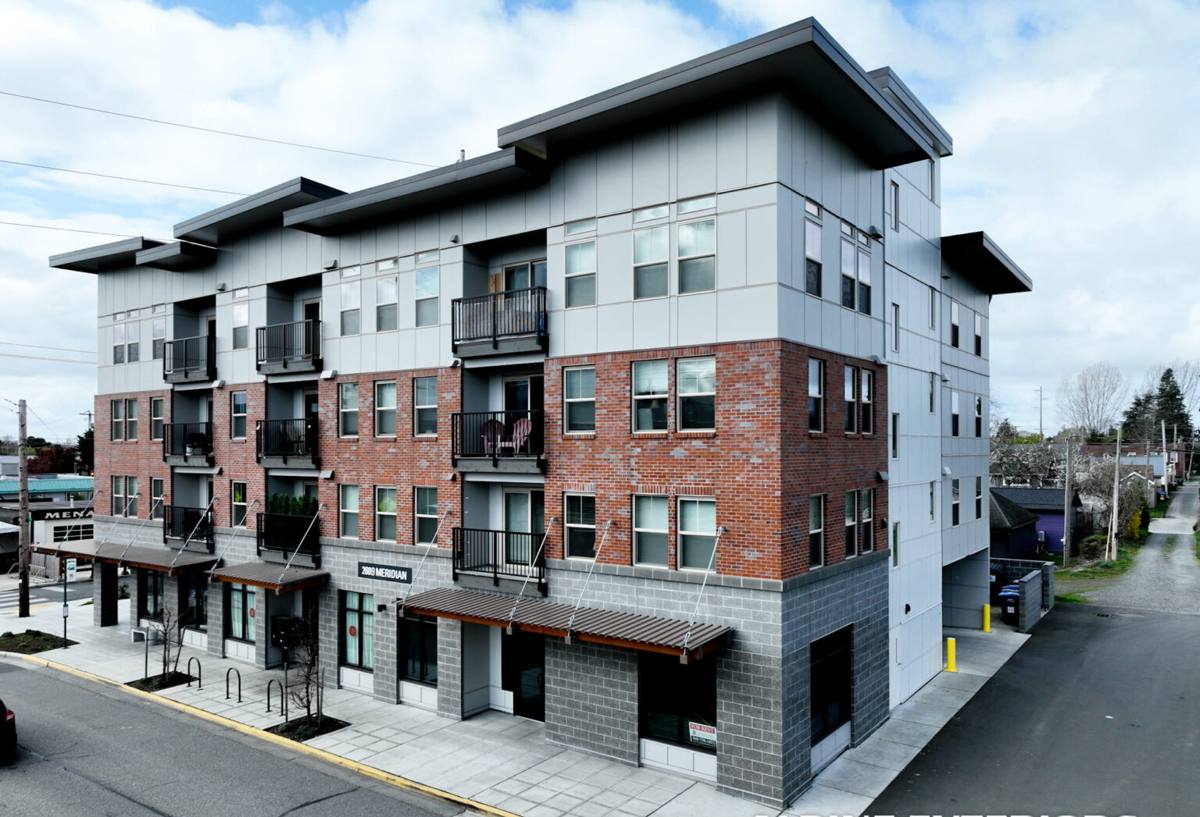
Signs a Fruitville Home Needs Siding Replacement
Most siding failures don't happen overnight. They show up as small warning signs that get worse each storm season. Before you decide between a repair and a full replacement, walk your exterior and look for:
- Cracked, buckled, or visibly warped panels, especially on the sides of the house that take the most sun and wind
- Soft or spongy spots when you press on the siding, which usually means moisture has reached the wood or sheathing underneath
- Paint that's peeling, bubbling, or chalking well beyond what a simple repaint would fix
- Staining, mold, or mildew that keeps coming back shortly after cleaning
- Gaps or separation at seams, corners, and trim where wind-driven rain can work its way behind the siding
- Noticeably higher cooling bills, which can point to a failing weather barrier behind aging siding
Any one of these can sometimes be handled with a targeted repair. Several at once, or damage that keeps returning after repairs, is usually a sign the siding system itself has reached the end of its useful life.
What a Correct Siding Replacement Actually Involves
Siding replacement is not simply removing old panels and nailing up new ones. Done correctly, it's a rebuild of the entire wall's weather protection system, and skipping steps here is exactly what leads to the moisture and wind problems Fruitville homeowners deal with a few years down the road.
Sheathing and Moisture Barrier Come First
Once the old siding is off, the sheathing underneath needs to be inspected for rot, delamination, or insect damage before anything new goes up. Any compromised sheathing gets repaired or replaced — installing new siding over damaged sheathing just hides a problem that will resurface. A new weather-resistive barrier is then installed, with careful attention to how it laps and how it integrates with flashing around windows, doors, and any wall penetrations. In a climate that gets wind-driven rain, this barrier and its flashing details matter as much as the siding itself.
Fastening for Sarasota County Wind Loads
Florida Building Code sets fastening and wind-load requirements that vary by wind zone, and Sarasota County falls within the state's wind-borne debris region. That means fastener type, spacing, and embedment aren't optional details — they're what keeps siding attached to the house during a tropical storm or hurricane. Manufacturer installation instructions for the specific product and wind zone need to be followed exactly, not approximated.
Why We Install James Hardie Fiber Cement — Not Vinyl, LP, or Wood
We standardized on James Hardie fiber cement siding and don't install vinyl, LP SmartSide, Cemplank, Allura, primed spruce, or cedar. That's a deliberate call based on how each of those products actually performs in a climate like Sarasota County's, not a sales pitch.
Vinyl siding is affordable and easy to install, but intense UV exposure fades and embrittles it over time, and it can crack or blow off in high wind because it relies on a looser, hanging installation method rather than being fastened flat to the wall. Primed spruce and cedar look great when new, but they need regular repainting and are vulnerable to rot and insect damage in Florida's humidity — maintenance that adds up fast on a coastal-adjacent home. Engineered wood products like LP SmartSide perform well in many climates, but their wood-strand core is more sensitive to prolonged moisture exposure at cut edges and seams, which is a real consideration in a wind-driven-rain environment.
James Hardie fiber cement is non-combustible, holds up to UV without the fading and warping vinyl experiences, and doesn't carry the same moisture-related risk at seams that wood-based products do. Hardie's HZ10 product line is specifically engineered for hot, humid climates like Florida's, and the factory-applied ColorPlus finish is built to resist fading far longer than field-applied paint. Combined with a strong transferable warranty, it's the product we're willing to put our name behind — and the one we'd choose for our own homes.
Our Siding Replacement Process
Every Fruitville siding replacement follows the same disciplined process, whether it's a small single-story home or a larger two-story property:
- In-home assessment. We walk the exterior with you, identify problem areas, and measure for an accurate, itemized estimate.
- Tear-off and sheathing inspection. Old siding comes off and the sheathing is checked for hidden rot or damage before anything new is installed.
- Repairs as needed. Any compromised sheathing or framing is repaired first — never covered up.
- Weather barrier and flashing. A new moisture barrier goes on with correctly integrated flashing at every window, door, and penetration.
- Hardie panel installation. Panels are installed to manufacturer specification, with fastening matched to Sarasota County's wind requirements.
- Trim, caulking, and finish work. Trim is fitted, seams are sealed, and touch-up work is completed to a clean, consistent finish.
- Final walkthrough and cleanup. We inspect the finished job with you and clear the site completely before we consider the work done.
What Siding Replacement Costs in Fruitville
Every home is different, so we don't quote a price without seeing the property, but the factors below are what typically drive the final number up or down. Because every home's condition and layout is different, we'd rather show up, look at your walls, and give you real numbers than throw out a generic square-footage price that doesn't hold up once tear-off starts.
| Factor | Why It Matters | Typical Cost Impact |
|---|---|---|
| Home size and wall area | More square footage means more material and labor | High |
| Sheathing condition | Hidden rot found during tear-off requires repair before siding goes on | Variable |
| Siding profile and detailing | Lap siding, shingle-style accents, and trim combinations vary in labor time | Medium |
| Number of stories and access | Second-story and hard-to-access walls take more time and equipment | Medium |
| Trim, fascia, and soffit work | Replacing trim alongside siding avoids mismatched, short-lived patches | Medium |
| Color and finish selection | Factory ColorPlus finishes versus field painting affect both price and longevity | Low |
The only way to get an accurate number is a walk-through of your specific home, which is why we start every project with a free, no-obligation estimate rather than a rough phone quote.
Life After Installation: What Low Maintenance Really Means
One of the practical benefits of switching to James Hardie fiber cement is how little day-to-day attention it needs compared to vinyl or wood. There's no repainting cycle to plan around and no annual caulking overhaul if the original installation was done correctly. That said, "low maintenance" doesn't mean "no maintenance." A quick visual check after major storms, keeping irrigation heads from spraying directly on the wall, and avoiding high-pressure washing that can strip the factory finish will all help the siding perform for the long haul. We also register the manufacturer's warranty on your behalf so there's a paper trail if you ever need to use it.
Why Local Fruitville and Sarasota County Experience Matters
A crew that regularly works in Fruitville and the surrounding Sarasota County communities already knows what inspectors here expect, what wind-zone fastening requirements apply, and how local humidity and drainage patterns affect a wall assembly over time. Fruitville itself is a mix of long-established, tree-shaded lots and newer construction closer to the Fruitville Road corridor, which means the wall assemblies behind the siding vary from house to house. A crew that has worked across that range knows what to expect once the old siding comes off, rather than guessing.
That experience shows up in details a less familiar crew might miss — how flashing is detailed around common window styles in the area, how much clearance siding needs from grade and irrigation spray, and which corners genuinely can't be cut without the homeowner paying for it later in the form of a callback or a warranty claim. It also means we're not learning Sarasota County's permitting process on your project. Permits, inspections, and product approvals move faster when the contractor pulling them has already done it dozens of times in the same county.
Permits and Wind Codes in Sarasota County
Sarasota County falls within Florida's wind-borne debris region under the Florida Building Code, which sets specific requirements for exterior products, including siding fastening schedules and product approvals tied to wind speed. A properly permitted siding replacement documents that the installed system meets those requirements, which matters not just for safety in a storm, but for insurance and resale down the road. Skipping a permit might save a few days up front, but it can create real problems later, from failed inspections at resale to disputes with an insurance carrier after storm damage. We handle the permitting and inspection process as part of every replacement, so you're not left trying to track down documentation after the fact.
If your Fruitville home's siding is showing its age or you're just not sure whether it's due for a repair or a full replacement, we're happy to take a look. Fill out the form below for a free, no-pressure estimate — we'll walk the exterior with you and give you a straight answer.