 Sarasota Siding
 Why Siesta Key Decking Takes Different Handling
Siesta Key sits right on the Gulf, and that location is exactly what makes decking here harder to get right than decking almost anywhere else in Sarasota County. You've got salt-laden air moving off the water almost constantly, intense UV exposure nearly year-round, wind-driven rain during summer storms, and the real possibility of hurricane-force wind loads during storm season. Any one of those factors will shorten the life of a poorly built deck. Together, they punish shortcuts fast. A deck that would hold up fine forty miles inland can start showing fastener corrosion, board fading, or structural movement within a couple of seasons out here if it wasn't built for this specific environment.
That's the lens we use on every Siesta Key composite decking job: not "how do we build a deck," but "how do we build a deck that's still solid and looking right in this exact climate five, ten, fifteen years from now."
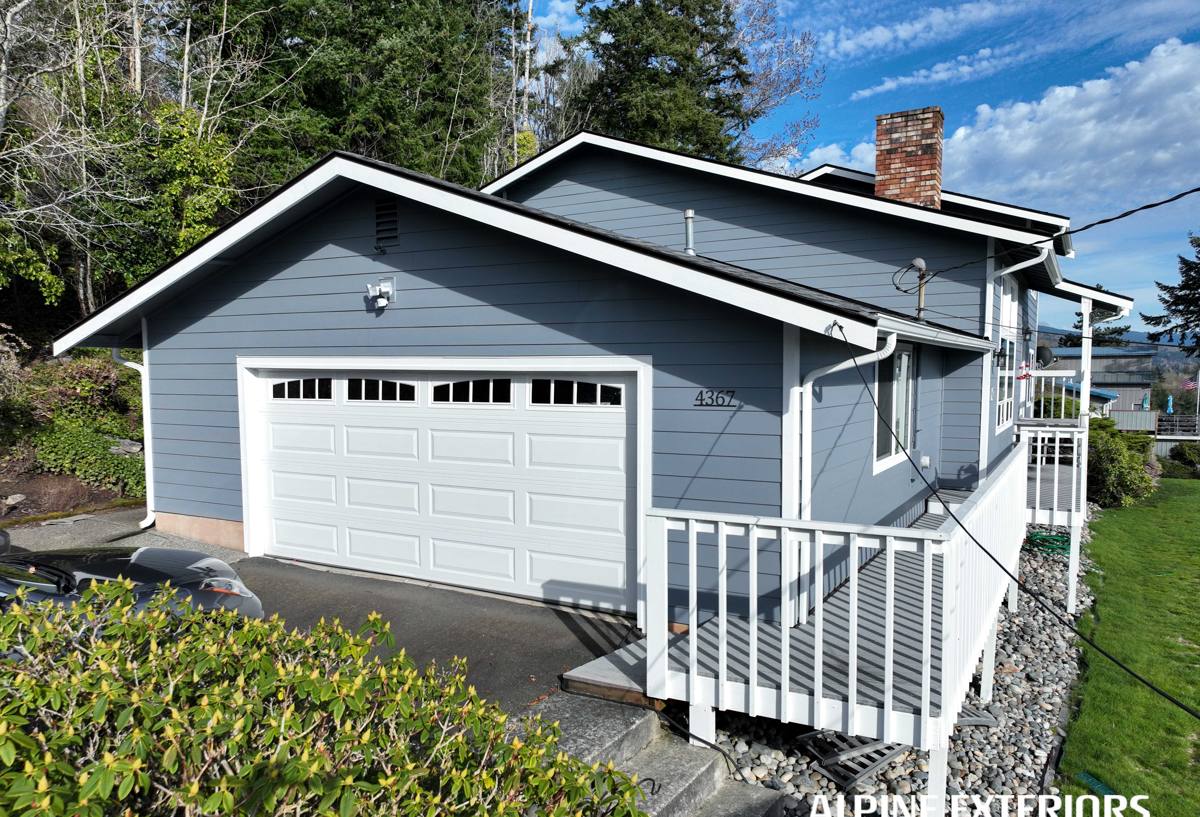
What Actually Wears Out a Deck Near the Water
Most deck problems we see on barrier island and near-coastal properties trace back to a handful of causes, and understanding them is the first step toward avoiding them.
Salt Air and Fastener Corrosion
Salt air accelerates corrosion on any metal it touches — screws, joist hangers, structural connectors, railing hardware. Standard galvanized fasteners that are perfectly adequate inland can start rusting and staining a deck surface within a few years this close to the Gulf. Once a fastener corrodes, it loses holding strength, and a stained composite board next to a rust streak is a cosmetic problem that's hard to undo.
UV Exposure and Fading
Florida sun is intense for most of the calendar year, not just in summer. Lower-grade composite boards without real UV inhibitors in the capping or the material itself will fade unevenly, especially where furniture, planters, or shade patterns create inconsistent sun exposure across the deck surface.
Moisture, Humidity, and Mold
Humidity here stays high most of the year, and afternoon storms are routine from late spring through fall. Decking that doesn't ventilate properly underneath, or that traps moisture against the substructure, becomes a breeding ground for mold and mildew — on the boards themselves and on anything built underneath or around the deck.
Thermal Movement
Composite boards expand and contract with heat more than most homeowners expect, and Sarasota's temperature swings between a hot deck surface at midday and cooler nights are enough to matter. Boards installed without correct expansion gaps can buckle, bow, or push against fascia and railings over time.
Wind Uplift
During tropical storm or hurricane conditions, a deck surface and railing system need to resist uplift and lateral load, not just carry foot traffic. This is a structural consideration, not a cosmetic one, and it starts at the framing and fastening stage — not something you can fix after the boards are down.
Composite vs. Wood for a Siesta Key Property
Wood decking still has a place, but for most Siesta Key homes — especially those exposed to direct Gulf-facing wind and salt spray — composite holds up with a lot less maintenance burden. Here's an honest side-by-side based on how each material actually behaves in this climate, not marketing claims.
| Factor | Wood (PT/Cedar) | Composite Decking |
|---|---|---|
| Salt air resistance | Fasteners and surface both vulnerable; needs frequent sealing | Board itself resists salt damage; fastener grade still matters |
| UV fading | Grays and weathers, needs refinishing to hold color | Capped boards resist fading much longer; quality varies by product |
| Moisture/mold | Absorbs water, prone to rot and mildew without upkeep | Resists water absorption; mold is a surface issue, not structural |
| Annual maintenance | Sealing/staining, splinter and warp checks | Periodic washing, no sealing or staining needed |
| Upfront cost | Lower material cost | Higher material cost, lower lifetime maintenance cost |
| Expected lifespan here | Shorter without consistent upkeep | Longer with correct installation and fastener choice |
Composite isn't maintenance-free — nothing on a Gulf-facing deck is — but it removes the sealing and staining cycle that wood demands, and it doesn't rot or splinter, which matters on a deck that gets bare feet and pool traffic.
What a Correct Installation Actually Involves
The boards you choose matter, but a composite deck's long-term performance is decided mostly by what's underneath and how it's fastened — the parts nobody sees once the job is done.
Substructure and Framing
We use framing materials suited to a coastal environment, not whatever is cheapest at the lumber yard. That means pressure-treated lumber rated for ground contact and moisture where wood framing is used, correctly spaced joists sized for the span and expected load, and attention to how the deck ties into the house at the ledger board — one of the most common failure points on any deck, coastal or not.
Flashing and Waterproofing
Where the deck meets the house, proper flashing keeps water from working its way behind siding or into the structure. This is a spot we won't shortcut, because a leak here doesn't show up as a deck problem — it shows up months later as rot or damage inside a wall.
Fastener and Hardware Grade
Given the salt air, we specify corrosion-resistant fasteners and structural hardware rated for coastal exposure — not standard galvanized hardware that's fine forty miles from the water but starts corroding within a few seasons on Siesta Key. This is a small cost difference upfront and a large difference in how the deck looks and performs a decade out.
Hidden Fastener Systems
Most composite decking today uses a hidden fastener clip system rather than face-screwing through the board. Done correctly, this gives a cleaner surface, reduces the number of penetration points where water or corrosion can start, and allows boards room to expand and contract without splitting.
Expansion Gaps and Board Layout
We follow manufacturer spacing guidelines for gaps between boards and at fixed points like walls, posts, and stair stringers. Skipping this is one of the most common causes of buckled decking in hot climates — it's an easy step to shortcut and an expensive one to fix after the fact.
Ventilation Underneath
Airflow under the deck surface matters for keeping moisture from sitting against the substructure. We plan joist height, skirting, and any under-deck drainage or enclosure with ventilation in mind, not as an afterthought.
Choosing the Right Composite Board for This Environment
Not all composite decking is built the same, and the differences matter more here than in a drier, cooler climate.
Capped vs. Uncapped Composite
Capped composite boards have a protective polymer shell around a wood-plastic composite core. That cap is what resists staining, fading, and moisture absorption at the surface. Uncapped composite is more exposed to UV and moisture over time and generally shows wear faster in a high-sun, high-humidity coastal setting. For Siesta Key, we lean toward capped products as our standard recommendation.
Color and Heat
Darker composite boards absorb more heat and can get uncomfortably hot underfoot on a sunny Sarasota afternoon, more so than lighter tones. This is worth weighing against the look you want, especially for a pool deck or any surface where bare feet are common.
Grain Pattern and Slip Resistance
Around a pool or in an area that gets wet often, surface texture matters as much as color. Boards with a deeper grain pattern generally offer better slip resistance when wet, which is a real consideration for a Siesta Key property where the deck may see rain, pool splash-out, and bare feet regularly.
Our Process for a Siesta Key Composite Deck
We keep the process straightforward and we don't skip the parts that don't show up until later.
- Site visit and assessment. We look at existing structure (if replacing a deck), grade and drainage around the area, sun and wind exposure, and how the deck ties into the house.
- Structural plan. We size framing and fastening for the actual span, load, and coastal exposure of your property — not a generic template.
- Material selection. We walk through board options, capped vs. uncapped, color and heat trade-offs, and railing/hardware choices suited to salt air.
- Permitting. Where required, we handle the permit process with Sarasota County or the applicable local jurisdiction before work begins.
- Installation. Framing, flashing, ventilation, and board installation with correct fastener spacing and expansion gaps.
- Final walkthrough. We go over the finished deck with you, including basic care guidance specific to the boards installed.
Permits and Coastal Considerations
Depending on the property's location, elevation, and whether it falls within a designated coastal construction zone, a new or replacement deck may require permitting and inspection through Sarasota County or the relevant local building department. Requirements can also differ for condo or HOA properties common on Siesta Key, which may have their own architectural review process on top of county permitting. We don't guess on this — we confirm what applies to your specific property before work starts rather than after, and we handle the paperwork as part of the job rather than leaving it on you.
Maintaining a Composite Deck in a Sarasota Climate
Composite decking cuts down maintenance significantly compared to wood, but "low maintenance" isn't "no maintenance" this close to the Gulf. A little consistent care goes a long way toward protecting the look and lifespan of the deck.
- Rinse or wash the deck surface periodically to remove salt residue, especially after storms or high-wind days off the water
- Sweep away leaves, debris, and standing organic material that can hold moisture against the boards
- Clean up mildew or algae spots promptly with a mild cleaner suited to composite surfaces — don't let it spread
- Rinse fasteners, hardware, and railing connections along with the boards to slow salt-related corrosion
- Check railing posts and structural connections periodically for looseness, especially after significant storms
- Keep gutters and nearby drainage clear so water isn't sheeting onto or pooling near the deck
- Trim back plantings that trap moisture or salt spray against the deck edge
Why a Local Crew Matters for Siesta Key Specifically
A contractor who mostly works inland properties can build a technically fine deck and still miss things that matter here — the right fastener grade for salt exposure, the permitting process for a barrier island or coastal property, the realities of access and staging on Siesta Key's narrower roads and tighter lots, or timing a project around Florida's storm season. A crew that regularly works Sarasota's coastal properties has already worked through those details, which means fewer surprises and fewer callbacks down the line. It also means we can speak plainly about what a given property actually needs instead of defaulting to a one-size-fits-all spec that wasn't built with the Gulf Coast in mind.
If you're planning a new composite deck or replacing an aging one on Siesta Key, we're glad to walk the property, answer questions honestly, and put together a straightforward estimate — no pressure, no upsell script. Reach out through the form below to get started.