 Sarasota Siding
 Siding Installation Built for a Barrier Island
Siesta Key sits on a barrier island, which means every home there deals with a harsher version of Florida's weather than homes even a few miles inland in Sarasota County. Salt-laden air moves off the Gulf and Intracoastal around the clock, the sun is more direct and more constant, and when a storm does track through, the wind and wind-driven rain hit with less to slow them down first. Siding on the Key isn't a cosmetic choice — it's the first line of defense for the structure underneath, and it has to be selected and installed with that in mind.
A siding job that would hold up fine in a shaded, inland neighborhood can fail early on Siesta Key if the product or the installation cuts corners. This page covers what local homes actually need from their siding, what a correct installation looks like, and why the details matter more here than almost anywhere else in the region.
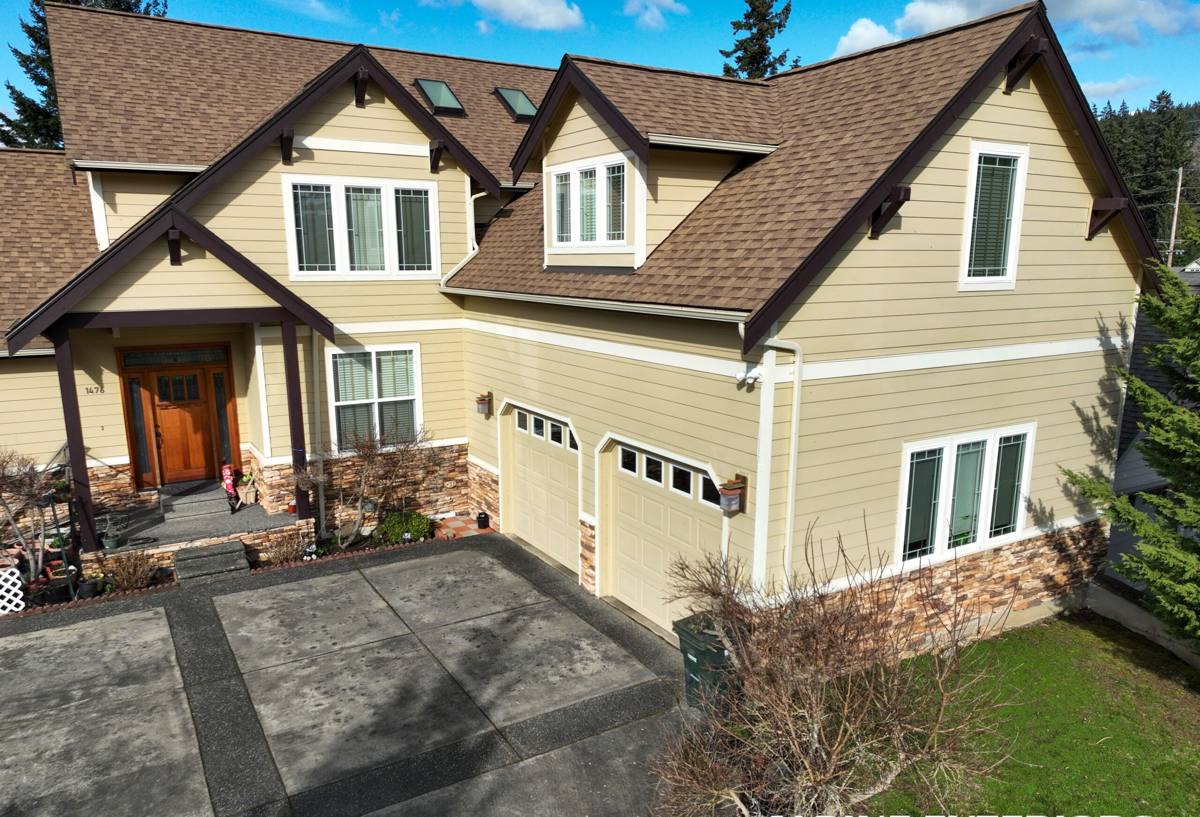
What the Island Climate Does to Siding Over Time
Salt Air and Corrosion
Airborne salt doesn't just sit on the surface of a wall — it works into fasteners, trim seams, and any exposed edge of a material that isn't built to resist it. Over years, that exposure corrodes the wrong kind of fasteners, degrades certain finishes, and accelerates rot in any wood-based product. Siding and the hardware behind it both need to be chosen with salt exposure as a given, not an afterthought.
Wind-Driven Rain and Storm Exposure
Sarasota County sees hurricane-force winds often enough that siding has to be treated as a wind-rated building component, not just a finish layer. During storms, rain doesn't fall straight down — it drives sideways under pressure, which means seams, laps, and flashing details have to shed water even when it's being pushed uphill against the wall. A siding system with weak seams or poor flashing will let water behind it long before the panels themselves fail.
Intense, Year-Round UV
Florida sun is strong everywhere, but a barrier island location adds reflected glare off open water on top of direct exposure. Paint-grade and lower-quality prefinished sidings chalk, fade, and crack faster under that kind of sustained UV load. Color retention and finish durability are not minor details on Siesta Key — they're one of the first things that separates a product built for this climate from one that isn't.
What Siesta Key Homes Actually Need From Their Siding
Put together, the climate factors above point to a short list of real requirements, not marketing checkboxes. The table below compares what a barrier-island home needs against what a typical inland installation can get away with.
| Requirement | Why It Matters on Siesta Key | Typical Inland Home |
|---|---|---|
| Non-combustible, moisture-stable material | Constant humidity and salt exposure punish wood-based products | Still important, but less urgent |
| Factory-cured, UV-stable finish | Direct sun plus water glare accelerates fading and chalking | Fading happens slower, less critical |
| Corrosion-resistant fastening system | Salt air attacks standard fasteners over time | Standard fasteners often adequate |
| Wind-rated installation to code | Direct hurricane exposure with little buffering terrain | Still code-required, but less severe wind loading |
| Proper flashing and drainage detailing | Wind-driven rain forces water into any weak seam | Standard flashing usually sufficient |
Why We Install Only James Hardie Fiber Cement
Sarasota Siding Co installs one siding system: James Hardie fiber cement. We don't offer vinyl, LP SmartSide, Cemplank, Allura, or primed wood siding, and that's a deliberate standard, not a limitation in what we're capable of installing. Each of those alternatives has real strengths, but each also carries a trade-off — moisture sensitivity, UV-driven fade, seam or edge vulnerabilities, or a shorter track record — that we're not willing to put on a home in this climate and put our name behind.
Built for This Exact Exposure
James Hardie makes an HZ5 product line engineered specifically for high-humidity, storm-prone climates like Florida's, and it's non-combustible fiber cement — it doesn't rot, warp, or feed pests the way wood-based sidings can. The ColorPlus factory finish is baked on under controlled conditions rather than field-painted, which gives it stronger, more even UV and fade resistance than most site-applied finishes, and it comes with a real, transferable warranty behind it.
A Standard We Apply Consistently
Because we only work with one system, our crews aren't switching techniques, fastener specs, or flashing details from one job to the next. Every Siesta Key installation gets the same disciplined approach, which matters just as much as the material itself when the goal is a wall assembly that survives salt air, sun, and storms for decades.
What a Correct Installation Actually Involves
Fiber cement siding is only as good as the installation behind it. A rushed or generic install can undercut even the best material, especially in a coastal wind and moisture environment. A correct job includes:
Tear-Off and Substrate Inspection
Old siding comes off down to the sheathing, and we inspect for hidden moisture damage, soft wood, or prior water intrusion before anything new goes up. Covering over an existing problem just locks it in behind a new wall.
Moisture Barrier and Flashing
A weather-resistant barrier goes on first, with flashing detailed at every window, door, corner, and penetration so water is directed out and away from the wall assembly, not trapped behind it. This is the step that determines whether wind-driven rain stays outside during the next storm.
Fastening to Manufacturer and Code Spec
James Hardie publishes specific fastener types, spacing, and placement requirements, and Florida's wind-zone building codes add their own layer of requirements on top of that. We follow both, not a shortcut version of either.
Trim, Caulking, and Finish Details
Seams, joints, and trim transitions are the most common failure points on any siding job. Correct sealing and trim work at these points is what keeps water out over the long run, not just on install day.
- Full tear-off and substrate inspection before new siding goes on
- Repair of any rot or hidden damage found underneath
- Weather-resistant barrier installed correctly, with proper overlap
- Flashing detailed at every window, door, and penetration
- Fasteners and spacing matched to James Hardie's specifications
- Installation practices matched to Florida's wind-zone code requirements
- Seams, trim, and joints sealed to shed wind-driven rain
- Final walkthrough before the crew leaves the site
Our Process for Siesta Key Projects
We start with an on-site assessment of the home's current siding, sheathing condition, and exposure — a Gulf-front lot and a canal-side lot on the Key don't always face identical conditions, so we look at the specific property rather than applying a one-size answer. From there we walk through James Hardie product and color options, put together a clear written scope and timeline, and handle the permitting and code compliance steps required in Sarasota County before work begins. Installation follows the same disciplined sequence on every job: tear-off, substrate repair where needed, barrier and flashing, siding installation to spec, and a final inspection walkthrough with the homeowner before we consider the job done.
Permitting and Wind Code Considerations
Siding replacement on Siesta Key is subject to Sarasota County permitting and Florida's wind-zone building code requirements, and barrier-island properties are often held to the higher end of those wind-load standards given their direct storm exposure. We handle the permitting process as part of the job rather than leaving it to the homeowner, and we install to the wind-rating requirements that apply to the property — not a generic minimum. Getting this right also matters for insurance: many carriers and policies pay attention to how and to what standard exterior work was completed, particularly after storm events.
What Affects the Cost of a Siesta Key Siding Installation
Every home is different, so we don't quote a project without seeing it, but the factors below are the main drivers of cost on most Siesta Key siding installations.
| Cost Factor | Why It Matters |
|---|---|
| Home size and wall complexity | More square footage and more corners, gables, and trim detail mean more labor and material |
| Condition of existing sheathing | Hidden rot or moisture damage found during tear-off adds repair work before new siding goes on |
| Siding profile and color selection | James Hardie offers multiple plank styles and ColorPlus finish options at different price points |
| Access and site conditions | Tight lots, landscaping, or limited equipment access can affect labor time |
| Trim and accessory scope | Full trim replacement, soffit, or fascia work adds to the overall project |
Broadly, a full siding replacement is a significant home investment, and the honest way to get an accurate number is a walkthrough of the actual property rather than a flat per-square-foot rule of thumb applied blindly to a barrier-island home.
Why a Crew That Already Works Siesta Key Matters
Barrier-island jobs come with logistics that inland projects don't: bridge access and traffic timing, tighter lots, seasonal congestion, and permitting that follows Sarasota County's specific process for coastal properties. A crew that's already worked the Key knows how to plan around those realities instead of discovering them mid-project. Just as important, we've seen firsthand what salt air, sun, and storm exposure do to siding on this specific stretch of coastline over time — that's direct experience, not a generic answer applied to every job we take on.
Keeping Your New Siding Performing on the Key
James Hardie siding is low-maintenance compared to wood or vinyl, but "low-maintenance" isn't "no-maintenance," especially in this environment. A periodic rinse to clear off salt residue, prompt attention to any caulking or trim that shows wear, and keeping an eye on flashing after major storms will help the installation perform for its full intended lifespan. We're glad to walk any homeowner through simple upkeep steps specific to their home after installation.
If your Siesta Key home needs new siding or you're dealing with an aging installation that's starting to show its age, we're happy to take a look and put together a straightforward, no-pressure estimate. Use the form below to get started.