 Sarasota Siding
 Siesta Key Is a Different Siding Environment Than the Rest of Sarasota County
Siesta Key sits on a barrier island, which means every home here deals with a harsher version of the same climate the rest of Sarasota faces. Salt-laden air moves inland off the Gulf every day, humidity stays high almost year-round, and afternoon storms bring wind-driven rain that finds every gap, seam, and weak point in an exterior wall system. Add in direct, intense UV exposure with very little seasonal break, and you have a set of conditions that will expose poor materials or a sloppy installation faster than almost anywhere else in Florida.
None of this is exotic knowledge to homeowners who've lived here a while — most people on the Key can tell you which side of the house takes the worst weathering, or how quickly paint or caulk starts to look tired. What it means for siding replacement specifically is that the margin for error is smaller. Material choice, flashing detail, and fastening all matter more here than they would on a house twenty miles inland.
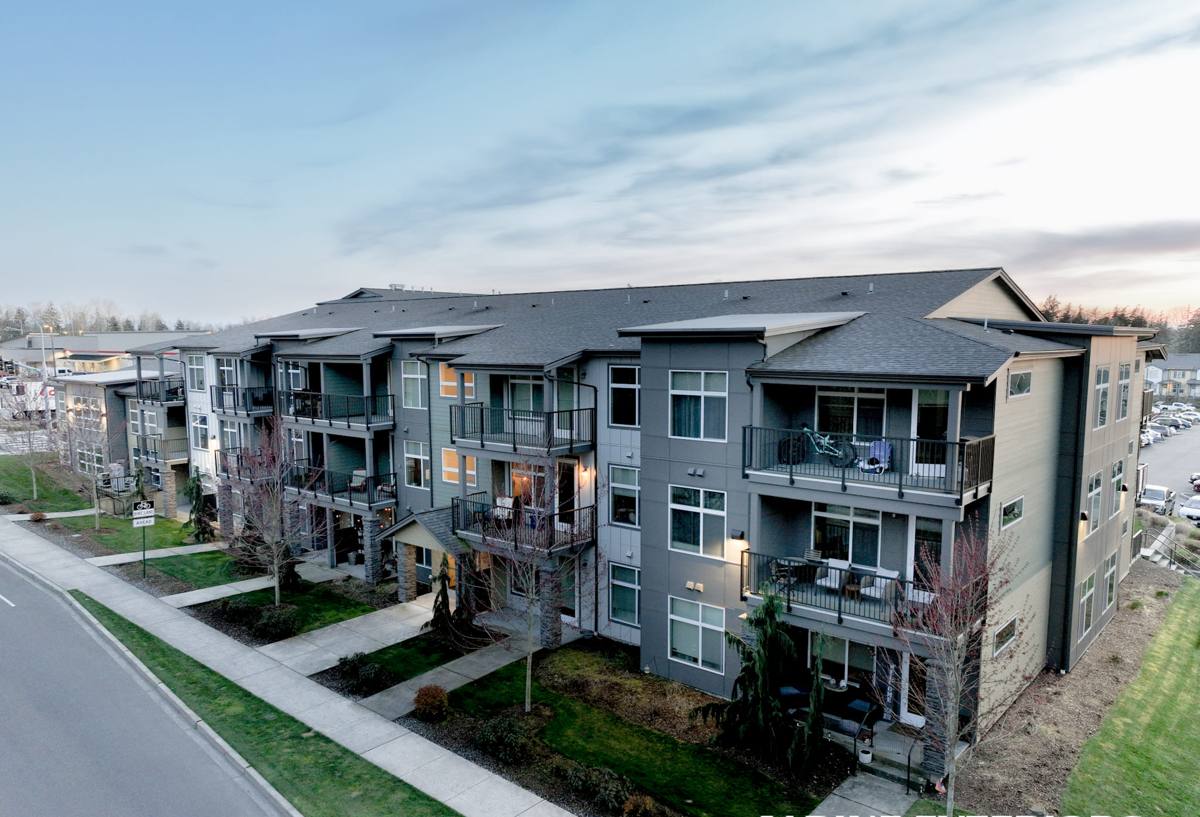
What Siesta Key Homes Actually Need From a Siding Replacement
A siding replacement on the island has to do more than look good on install day. It needs to hold up to conditions that don't let up:
- Salt air resistance — siding and fasteners that won't corrode or break down from constant airborne salt exposure
- Wind performance — a system rated and installed to hold against tropical-storm and hurricane-force wind loads, not just standard wind
- Moisture management — correct flashing, house wrap, and drainage detailing so wind-driven rain doesn't get behind the cladding
- UV-stable finish — color and coating that won't chalk, fade, or need repainting every few years under constant Florida sun
- Low ongoing maintenance — since a lot of Siesta Key homes are second homes or rentals, owners aren't always around to catch small problems early
Any siding job that skips one of these isn't really built for this location — it's built for a milder climate and happens to be installed here.
Why We Only Install James Hardie Fiber Cement on the Island
We've made a standing decision as a company to install James Hardie fiber cement siding and nothing else — not vinyl, not LP SmartSide, not Cemplank, not Allura, not primed wood or cedar. On a barrier island property, that decision matters even more than it does elsewhere in Sarasota County.
Vinyl siding can warp or deform in sustained high heat and intense sun, and it isn't a structural wind barrier on its own — its wind rating depends heavily on installation and backing. Wood and primed wood products need consistent repainting and sealing to keep moisture out, which is a hard maintenance schedule to keep up on a coastal property. Fiber cement alternatives to Hardie can perform reasonably well, but we've standardized on Hardie specifically for its factory-applied ColorPlus finish, its HZ5 product engineering for high-humidity, wind-driven-rain climates, and the strength of its transferable warranty when installation is done to spec. Fiber cement itself is non-combustible and dimensionally stable in heat and humidity swings — that's true of the category. What separates Hardie is the consistency of the finish system and the depth of climate-specific engineering behind it.
We're not saying every other product is unusable everywhere. We're saying that after years of doing this work in this specific climate, Hardie is the one system we're willing to put our name behind and warranty our labor against.
James Hardie HZ5 — Built for This Climate Zone
Hardie engineers its HZ5 product line specifically for high-humidity, wind-driven-rain regions like the Gulf Coast. That's the line we specify for Siesta Key and greater Sarasota work. It's designed around moisture resistance and finish durability under exactly the conditions a barrier island home deals with daily — not a generic national spec.
What a Correct Siding Replacement Involves
Replacing siding correctly is mostly about what happens before the new panels ever go up. On Siesta Key, we treat these steps as non-negotiable, not optional add-ons:
- Full tear-off and inspection — removing old siding down to the sheathing so we can actually see the wall condition, not guess at it
- Rot and moisture damage repair — replacing any compromised sheathing or framing found underneath before anything new goes on
- House wrap and weather barrier — a continuous, correctly lapped water-resistive barrier, since this is the layer that actually stops wind-driven rain intrusion
- Flashing at every penetration — windows, doors, vents, and roof-wall intersections all need proper flashing detail, not just caulk
- Correct fastening pattern — Hardie siding installed per manufacturer spec for fastener type, spacing, and embedment, which is what preserves both wind performance and warranty coverage
- Proper clearances — siding held off grade, roofing, and decking per code and manufacturer guidance so moisture has somewhere to go
- Trim and joint detailing — sealed and finished in a way that sheds water instead of trapping it
Skip or rush any one of these steps and the new siding may look fine for a season or two before problems start showing up behind it — which is a much more expensive fix than doing it right the first time.
How Our Process Works for Siesta Key Projects
We treat island jobs a little differently than inland Sarasota County work, mainly around scheduling and access. Siesta Key has narrower roads, tighter lot lines in a lot of neighborhoods, and seasonal traffic that changes depending on time of year — all of which affect how we stage material delivery and plan the job day to day.
| Step | What Happens |
|---|---|
| Initial walkthrough | We inspect the current siding, sheathing condition where visible, and any problem areas you've already noticed |
| Written estimate | Clear scope, materials, and timeline — no vague allowances |
| Material staging | Delivery and storage planned around island access and lot constraints |
| Tear-off and repair | Old siding removed, underlying wood assessed and repaired as needed |
| Weather barrier and flashing | Installed before any new siding goes up |
| Hardie installation | Installed to manufacturer spec for fastening, clearance, and joint detail |
| Final walkthrough | Review the finished work together before we consider the job done |
Signs Your Siesta Key Home May Need Siding Replacement Soon
Some warning signs are easy to miss if you're not looking for them, especially on a rental or second home where nobody's walking the exterior every week:
- Visible cracking, buckling, or warping in panels, especially on the sides facing prevailing wind and sun
- Soft spots or give when you press on siding near the bottom edges or around windows
- Paint or finish that's chalking, fading unevenly, or needs repainting far more often than it used to
- Gaps opening up at seams, corners, or trim boards
- Musty smell or visible staining on interior walls that share an exterior wall
- Rising energy bills that suggest the wall assembly isn't sealing the way it should
Any one of these on its own might not mean full replacement is necessary — but on a coastal property, we'd rather look at it sooner than later, since moisture problems behind siding compound quietly.
What Affects the Cost of a Siding Replacement Here
We won't quote a number without seeing the house, but these are the real factors that move the price up or down on a Siesta Key project:
| Factor | Why It Matters |
|---|---|
| Home size and wall complexity | More square footage and more corners, gables, and dormers mean more material and labor |
| Sheathing condition | Rot or moisture damage found during tear-off adds repair scope before new siding can go on |
| Siding profile selection | Lap, shingle, and panel styles from the Hardie lineup carry different material costs |
| Trim and accessory work | Corner boards, window trim, and soffit/fascia work done at the same time affects total scope |
| Site access | Tighter lots and limited staging area on parts of the island can affect labor time |
| Color and finish | Standard ColorPlus finishes versus custom-order options can shift pricing slightly |
Why Hiring a Crew That Already Works This Island Matters
Siding installation isn't identical everywhere in Sarasota County, and Siesta Key has its own quirks — from the way salt air accelerates fastener corrosion if the wrong hardware is used, to how quickly UV exposure will reveal a finish that wasn't rated for it. A crew that already works on the island knows to double down on flashing detail at every penetration, use fastening hardware suited to salt exposure, and plan projects around the practical realities of island access and scheduling.
That experience shows up less in what a homeowner sees on install day and more in how the siding performs three, five, and ten years later. A correctly installed Hardie system on a well-prepped wall assembly is built to handle this climate for the long haul — that's the entire reason we standardized on it.
Get a Straightforward Estimate for Your Siesta Key Home
If your siding is showing its age, or you just want a straight answer on whether it's holding up the way it should, we're happy to take a look. Fill out the form below for a free, no-pressure estimate — we'll walk the exterior, tell you honestly what we see, and explain your options with James Hardie siding built for this exact climate.