 Sarasota Siding
 Southside Village's Siding Challenge: Sun, Salt, and Storms
Southside Village sits close enough to Sarasota Bay that salt-laden air is part of daily life, and that changes how siding ages here compared to inland Florida neighborhoods. Add in Sarasota County's intense year-round UV exposure, wind-driven rain that finds every gap and seam, and the occasional hurricane-force wind event, and it's easy to see why siding in this part of the city takes more punishment than most manufacturers' warranty language accounts for. Homes here range from older, established construction to more recently updated properties, but the exterior stress is the same for all of them: constant moisture cycling, UV breakdown of paint and caulk, and wind loads that test every fastener and joint.
Siding repair in this environment isn't just about patching a visible problem. It's about understanding why that spot failed in the first place, so the repair doesn't need to be redone in two years. That's the standard we hold every repair to, whether it's a single damaged panel or a section that's been quietly failing behind the paint for a while.
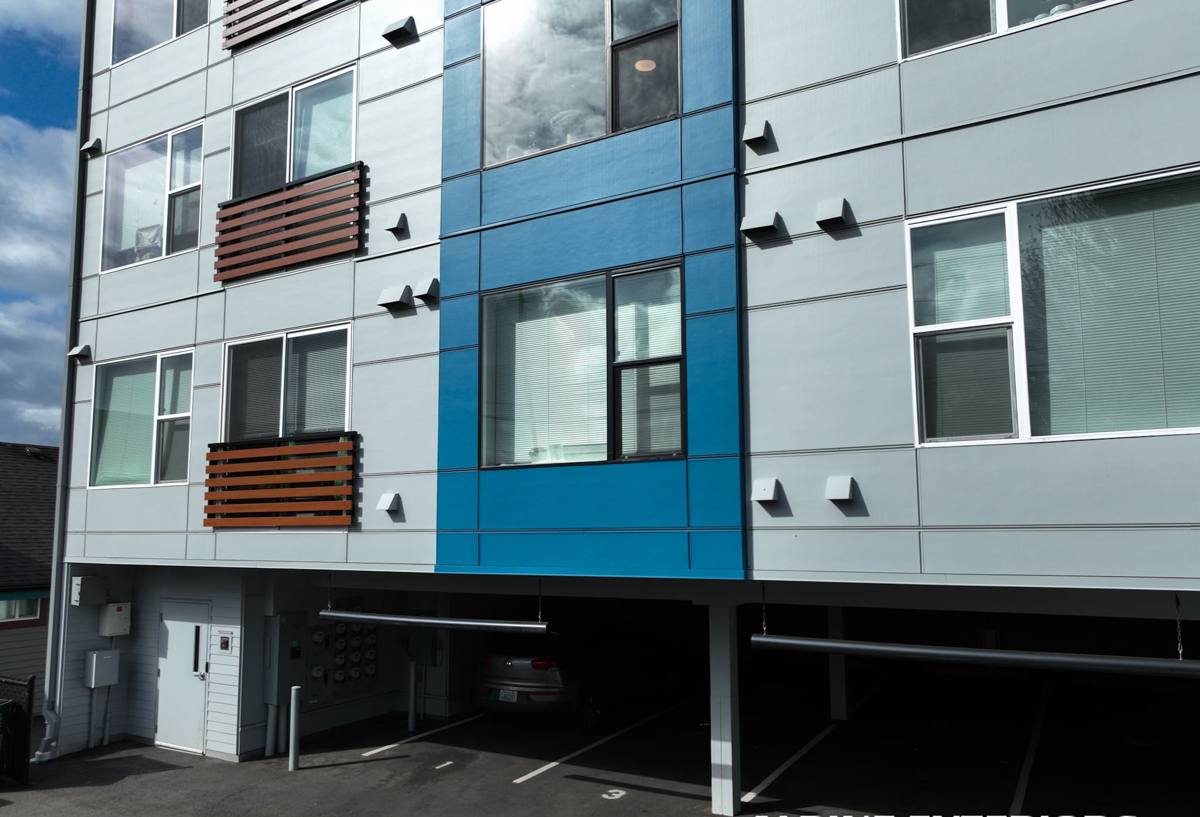
Signs Your Southside Village Home Needs Siding Repair, Not Just Paint
A fresh coat of paint can hide a lot of problems temporarily, but it doesn't fix them — and in humid, salt-air conditions, painting over a moisture problem often makes it worse by sealing dampness in. Here's what actually signals a repair need, versus a cosmetic touch-up:
- Soft or spongy spots when you press on the siding, especially near the bottom of walls or below windows
- Visible cracking, splitting, or buckling in individual panels or boards
- Gaps opening up at seams, corners, or trim joints where caulking has failed
- Peeling or bubbling paint that keeps returning in the same spot after repainting
- Staining or streaking that suggests water is tracking behind the siding, not just running over the surface
- Panels that have visibly shifted, warped, or pulled away from fasteners after wind events
- A musty smell or visible mold/mildew growth on interior walls that back up to exterior siding
Any one of these on its own might be minor. Several together, or any of them near a roofline, window, or ground-contact area, usually means water has already gotten past the surface — which changes what the repair needs to accomplish.
Why Patch Jobs Fail on Fiber Cement and Wood Siding
The most common mistake we see in siding repair — done by handymen, by well-meaning DIY attempts, or by crews in a hurry — is treating the visible damage as the whole problem. Caulk over a crack, a dab of matching paint, and the job looks done. In Sarasota's climate, that kind of surface fix rarely lasts a full season, let alone a full year.
The reason is straightforward: siding damage is almost always a symptom of a failure point behind the panel — a gap in the water-resistive barrier, a fastener that backed out and let water track down the wall, flashing that was never properly lapped, or a joint that was caulked instead of properly flashed. Cover the symptom without addressing the cause, and the same spot fails again, usually worse, because moisture has had more time to work on the wall assembly underneath.
What a Correct Siding Repair Actually Involves
Diagnosis Before Demolition
Before we remove or replace anything, we identify why that section failed. That means checking the condition of the substrate and water-resistive barrier behind the siding, looking at how water is moving across the wall during rain, and checking whether the damage is isolated or part of a wider pattern tied to a flashing or drainage issue.
Matching Material and Profile
A repair that doesn't match the existing siding's profile, reveal, and finish stands out immediately — and on a well-kept home, that mismatch hurts resale value and curb appeal. We match plank width, exposure, and texture so the repaired section reads as part of the original wall, not a patch.
Proper Flashing and Water Management
Every repair is an opportunity to correct whatever let water in the first time. That usually means installing or correcting flashing at windows, doors, and horizontal trim, making sure the water-resistive barrier laps correctly, and using sealant only where it belongs — as a secondary defense, not the primary one.
Finish That Holds Up to Sarasota Sun
UV exposure in this part of Florida is relentless. A repair painted with standard exterior paint will visibly weather faster than a factory-applied finish. Where possible, we use materials with a baked-on, UV-stable finish designed for this climate rather than field-applied paint that will need recoating within a few years.
Repair or Replace? How We Help You Decide
Not every damaged section needs a full siding replacement, and not every repair is worth doing instead of replacing. We walk homeowners through the real trade-offs rather than defaulting to the more expensive option:
| Factor | Favors Repair | Favors Replacement |
|---|---|---|
| Extent of damage | Isolated to one or two sections | Spread across multiple walls or elevations |
| Age of existing siding | Relatively recent, otherwise sound | Original siding nearing or past expected lifespan |
| Underlying moisture damage | Contained, substrate intact | Widespread rot or sheathing damage found during inspection |
| Material match availability | Existing product/profile still matchable | Discontinued profile or color, poor match likely |
| Storm history | Single damage event, wall otherwise stable | Recurring wind or water damage in the same areas |
We'll always tell you honestly which side of that table your home falls on, even if it means a smaller job than you expected.
Our Siding Repair Process for Southside Village Homes
1. On-Site Inspection
We look at the damaged area and the surrounding wall assembly, not just the spot you called about. Wind and water damage often extends further than what's visible from the ground.
2. Honest Scope and Estimate
You get a clear explanation of what's causing the damage, what the repair involves, and a written estimate before any work starts — no pressure, no upsell to a full replacement unless the inspection genuinely calls for one.
3. Careful Removal
Damaged sections are removed without disturbing sound siding around them any more than necessary, protecting your landscaping and the rest of the wall in the process.
4. Correcting the Cause
Flashing, water-resistive barrier, and fastening are corrected or replaced as needed — this is the step that determines whether the repair lasts.
5. Installation to Manufacturer Spec
New material is installed following the manufacturer's fastening, clearance, and joint-treatment requirements, which is what keeps a warranty valid and keeps the repair performing in coastal wind and rain.
6. Final Walkthrough
We review the completed repair with you, point out what was found and fixed, and note anything else on the exterior worth keeping an eye on.
Why We Repair and Rebuild Only With James Hardie Fiber Cement
When a repair calls for replacement material, we use James Hardie fiber cement exclusively. We don't install LP SmartSide, vinyl, Cemplank, Allura, or primed wood siding, and that's a deliberate standard, not a brand preference. Fiber cement is non-combustible and dimensionally stable in exactly the conditions Southside Village deals with — humidity swings, salt air, and intense sun — where wood-based and engineered-wood products are more prone to moisture-related swelling, edge damage, and coating failure over time.
James Hardie's ColorPlus factory finish is baked on under controlled conditions and holds color and integrity far longer than field-applied paint, which matters when you're trying to match a repair into existing siding years down the line. Hardie's HZ5 product line is engineered specifically for humid, high-moisture climates like Florida's Gulf Coast, and the transferable warranty gives homeowners real protection if they sell before the siding's useful life is up. When we patch a home that already has Hardie siding, matching material and finish is straightforward. When we're replacing a failed section of another product, we'll explain honestly why we recommend upgrading that section — and eventually the rest of the wall — to fiber cement instead of like-for-like.
Why Hiring a Crew That Already Works in Southside Village Matters
Siding repair isn't one-size-fits-all, even within Sarasota. A crew that regularly works in Southside Village has already seen how homes in this part of the city age under salt exposure and coastal wind patterns, which shortens the diagnosis process and reduces guesswork. That familiarity also means we know what Sarasota County permitting and inspection expects for exterior repair work, so nothing about your project gets held up by paperwork we should have handled correctly the first time.
There's also a practical local advantage: a crew based and working in this area can respond faster after a storm, source matching material without long delays, and stand behind the work because we're not disappearing to the next county once the job is done.
Protecting Your Repair After the Job Is Done
A correctly done repair should outlast a poorly done full replacement, but it still benefits from basic upkeep in this climate. A few habits go a long way:
- Rinse salt residue off siding periodically, especially after dry windy stretches that carry salt air onto exterior walls
- Keep gutters and downspouts clear so water isn't overflowing directly onto siding during heavy rain
- Trim back vegetation that holds moisture against the wall or rubs against panels in wind
- Walk the exterior after any significant storm and look for lifted caulking, new gaps, or fastener issues before they become bigger problems
- Address small caulking or paint issues promptly rather than waiting for the next scheduled repaint
None of this requires a professional visit every time — it's just the kind of routine attention that keeps a good repair from needing to become a bigger one.
Get an Honest Look at Your Siding
If you're seeing damage, staining, or soft spots on your Southside Village home's siding, it's worth getting an honest, no-pressure assessment before the problem grows. Fill out the form below to request a free estimate, and we'll take a real look at what's going on and what it actually takes to fix it right.