 Sarasota Siding
 Why Siding in The Meadows Has to Work Harder Than It Looks
The Meadows is one of Sarasota's older established communities, built around mature landscaping, mature oak canopy, and lakes that give the neighborhood its shaded, settled character. That same canopy and tree cover that make the area appealing also change what a home's exterior deals with day to day — more shade means slower drying after rain, more leaf and pollen debris collecting against walls, and humidity that lingers longer at the siding surface than it would on an open lot with full sun exposure. Combine that with what the rest of Sarasota County deals with every year — hurricane-force wind, some of the most intense year-round UV load in the country, wind-driven rain that gets pushed sideways into wall assemblies, and salt-laden air that onshore breezes carry inland from the Gulf even to communities that aren't waterfront — and it's a genuinely demanding environment for an exterior material to hold up in.
Siding that's rated for a mild climate, or installed the way it might be inland in a drier state, doesn't hold up the same way out here. This page covers what actually wears on siding in a community like The Meadows, what a correct fiber cement installation involves, and why hiring a crew that already works this neighborhood — rather than one treating it like any other job — makes a real difference in how the finished siding performs ten and twenty years out.
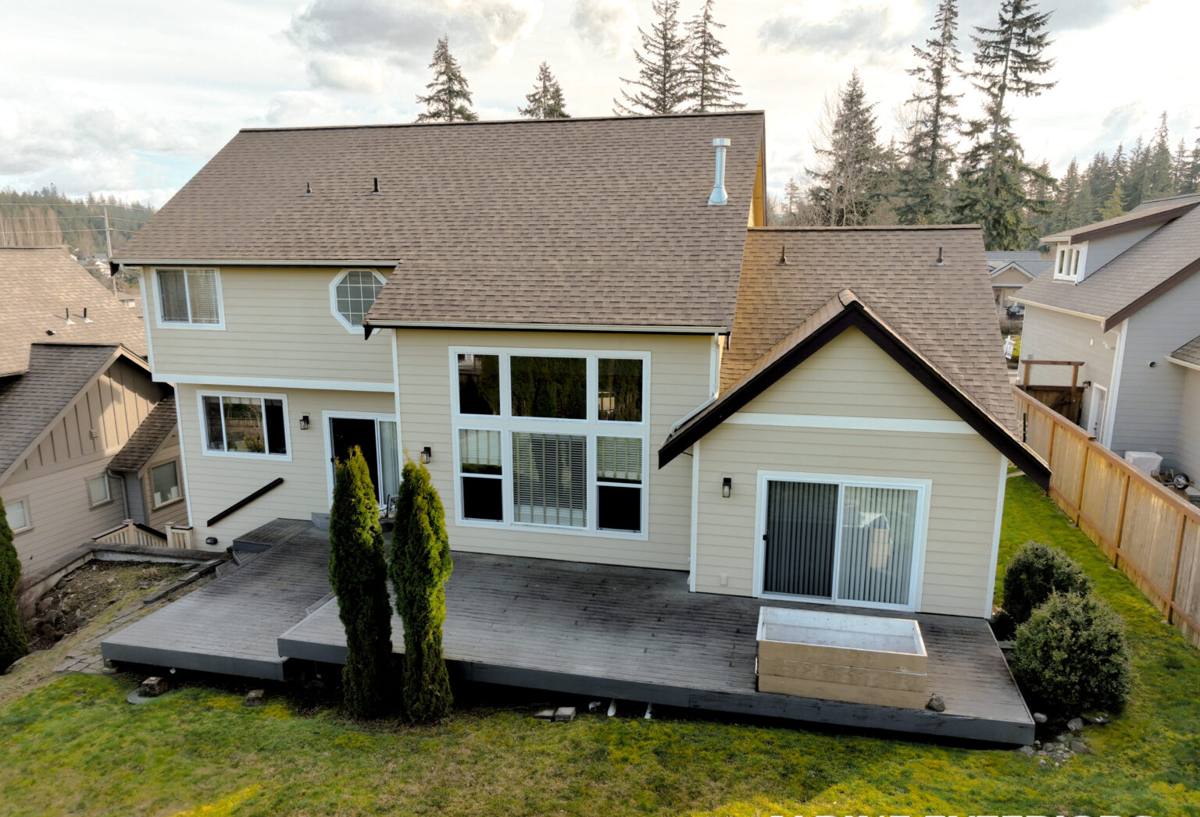
What Actually Wears on Siding in an Established, Tree-Canopied Community
UV and Heat
Florida's UV exposure is among the highest anywhere in the country, and it works on siding continuously, not just on the hottest afternoons. Over years, UV breaks down lesser paint finishes, causes color fade, and can lead to chalking on lower-grade products. Fiber cement itself isn't damaged by UV the way some materials are, but the finish on top of it absolutely is — which is exactly why the finish matters as much as the substrate underneath it.
Wind-Driven Rain and Storm Wind
Hurricane-force wind is a real design condition in Sarasota County, and it doesn't just test siding during a named storm. Wind-driven rain gets pushed up and under lap joints and around fastener penetrations in ways ordinary rainfall doesn't, reaching housewrap and sheathing that a calmer climate's siding rarely has to contend with. A siding system that isn't installed with correct overlaps, flashing, and fastening will let moisture in at exactly those pressure points, often well before any damage is visible from the ground.
Humidity and Moisture Held Against the Wall by Tree Canopy
Mature tree cover is one of the things that makes a community like The Meadows attractive, but shaded walls dry out more slowly after rain than a wall in full sun. Add in sprinkler overspray, which is common on lots with the kind of landscaping this neighborhood is known for, and certain elevations of a home can stay damp for extended stretches. Materials that absorb and hold moisture, or that swell and warp when they do, are at a real disadvantage in that kind of microclimate.
Salt-Laden Air Carried Inland
The Meadows isn't a waterfront community, but Sarasota sits close enough to the Gulf that onshore wind carries salt-laden air well past the immediate coastline. It settles on siding, trim, and fasteners just as it does closer to the water, just more gradually — which matters for hardware selection and finish durability even on a lot that's a few miles inland.
Cosmetic Wear vs. Siding That Actually Needs Replacement
Not every issue on an aging exterior calls for full replacement, and telling the difference correctly is the real starting point of an honest estimate.
| Symptom | Usually Cosmetic | Often Warrants Replacement |
|---|---|---|
| Faded or chalking paint on solid siding | Yes — a repaint may solve it | Only if boards underneath are also compromised |
| Isolated cracked or damaged panel | Sometimes — spot repair may be possible | If cracking is widespread across the elevation |
| Soft, spongy, or delaminating boards | No | Yes — moisture has already compromised the material |
| Persistent staining near tree lines or sprinklers | Cosmetic if surface-only | Investigate further if paired with softness or swelling |
| Visible gaps opening at seams or trim | Rarely on its own | Often — indicates movement or a failed installation detail |
| Rust streaking around fasteners | Cosmetic if isolated | Can signal fastener failure underneath |
Cosmetic wear affects appearance and can often be addressed with repainting or minor repair. Structural moisture damage affects the wall assembly's ability to keep water out and shouldn't be patched over, especially where it's paired with softness, swelling, or gaps at seams.
Working Within an Established Neighborhood's Look
Communities like The Meadows tend to have consistent architectural character and, in many cases, deed restrictions or an architectural review process that governs exterior changes, including siding replacement and color selection. We don't guess at what a given property's requirements are — that's a conversation with the homeowner and, where applicable, the relevant association before work begins. What we can speak to directly is the siding side of that equation: James Hardie's ColorPlus factory-finish lineup and field-paint options give enough range to match or complement an existing streetscape without defaulting to a narrow, generic color set.
What a Correct Fiber Cement Installation Actually Involves
The Right Product Line for This Climate
James Hardie manufactures climate-specific formulations rather than one universal product. Florida and the Gulf Coast fall under the HZ10 specification, engineered for the sustained heat, humidity, and moisture exposure this region sees — a meaningfully different formulation than what's sold in drier, colder parts of the country. That's a manufacturing distinction, not a marketing one, and it's the line we install on Sarasota County homes.
ColorPlus Factory Finish
Most of the siding we install carries Hardie's ColorPlus finish — a baked-on, factory-controlled coating applied under conditions no Sarasota jobsite could replicate. It holds color and resists chalking noticeably longer than field-applied paint, and it carries its own finish warranty separate from the substrate warranty on the board itself.
Installation Details That Actually Determine Performance
Fiber cement performs the way it's rated to only when it's installed to the manufacturer's specification, and that spec exists specifically because of how wind-driven rain and moisture behave against a wall. A correct installation includes:
- Proper starter strip and lap overlap at every course, not shortcuts that leave joints exposed to wind-driven rain
- Flashing at every window, door, and penetration, since these are the points where water intrusion actually starts
- Correct fastener type, spacing, and depth — over-driven or under-driven fasteners are one of the most common causes of early siding failure
- Proper clearance between the bottom of the siding and grade, roofing, or decking, so water has somewhere to go instead of wicking into the board
- Caulking and sealant only where the manufacturer specifies it, not as a substitute for correct flashing and overlap
- Field-cut edges sealed or primed per specification, especially on cuts around penetrations
Skipping any one of these doesn't show up on day one. It shows up three, five, or ten years later as moisture damage at exactly the point that was cut short.
How Our Process Works
We start with an on-site look at the existing exterior — what condition the current siding and underlying sheathing are in, what's driving the homeowner's decision to replace it, and what the property's architectural or association requirements look like. From there we walk through product line, color, and trim options, and give a written scope before any work begins. Tear-off includes checking the sheathing and housewrap underneath, since replacing siding over compromised sheathing just locks a problem behind a new wall. Installation follows Hardie's fastening and flashing specification exactly, with the same attention on a small accent wall as a full re-side. We walk the finished job with the homeowner before calling it done, and we're upfront about what we find at every stage, including if something under the old siding needs addressing before the new siding goes on.
Maintenance That Keeps Fiber Cement Performing Long-Term
- Rinse siding periodically to clear pollen, dust, and organic buildup, which accumulates faster under tree canopy than on an open lot
- Keep sprinkler heads adjusted so they aren't hitting the siding directly on a regular cycle
- Trim back landscaping and low branches that trap moisture against the wall or block airflow and sun from reaching a shaded elevation
- Check caulking at trim, windows, and penetrations yearly, and address any cracking before the next rainy season
- Repaint on the schedule appropriate to the finish — ColorPlus goes considerably longer between repaints than field-applied paint
- Address any soft spot, swelling, or gap at a seam right away rather than waiting for the next scheduled inspection
Why It Matters That We Already Work in The Meadows
A crew that mostly works newer, open-lot construction can still install competent siding here, but a home in an established, tree-canopied community like The Meadows has variables that come up more consistently on this kind of lot than elsewhere in Sarasota County — shaded elevations that dry more slowly, landscaping and irrigation set up decades ago, and in many cases an association process that has its own timeline and documentation requirements. Working in this neighborhood regularly means we're not learning those variables mid-project. We know how to sequence a re-side around mature landscaping without damaging it, what fastener and flashing detailing actually holds up given how long walls here stay damp after rain, and how to work alongside an architectural review process instead of being surprised by it.
That familiarity also means a more accurate first estimate, with fewer surprises once tear-off starts, because the inspection accounted for how this specific environment behaves rather than applying a generic checklist written for a different climate.
Get an Honest Look at Your Home's Siding
Whether your siding is showing its age, you're weighing repair against replacement, or you just want a straight assessment of where it stands, we're glad to walk the property and explain what we find plainly — including if the answer is that a full re-side isn't needed yet. Reach out below for a free, no-pressure estimate.