 Sarasota Siding
 Roofing in The Meadows: A Different Set of Demands
The Meadows is one of Sarasota's more established residential communities, and homes here span a wide range of ages, roof pitches, and original construction styles. Whatever the age of your roof, it's had to survive the same conditions every roof in this part of Sarasota County faces: hurricane-force wind events, intense year-round UV exposure, wind-driven rain that finds any weak point in a roof system, and salt-laden air that accelerates corrosion on fasteners, flashing, and vents. A new roof installation here isn't just about swapping old material for new — it's about building a system that's matched to those specific stresses from the deck up.
When we install a new roof in The Meadows, we're not guessing at what the climate will do to it. We're already working on roofs in this part of Sarasota, so we know which details tend to fail first on older installations and which upgrades actually earn their keep over the life of the roof.
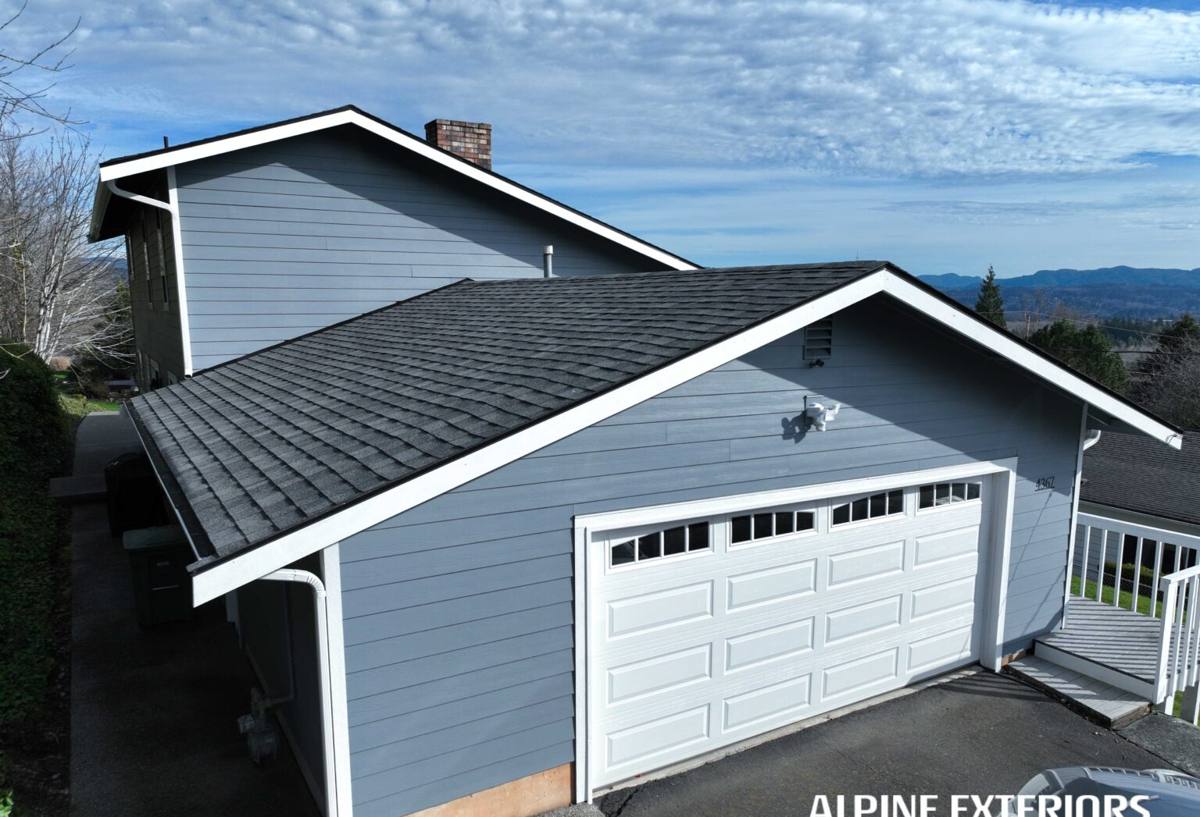
Why Older Roofs in The Meadows Start Failing
Most roof replacements we're called out for in this neighborhood aren't the result of one catastrophic event — they're the accumulation of years of UV breakdown, thermal cycling, and small water intrusion points that were never sealed correctly the first time. Common culprits we see on inspections include:
- Shingle granule loss from years of direct Florida sun, leaving asphalt exposed and brittle
- Nail pops and lifted shingle tabs from repeated wind events
- Corroded or undersized flashing around chimneys, skylights, and roof-to-wall transitions
- Underlayment that was never rated for the wind-driven rain this coast gets, now failing in spots
- Blocked or undersized ventilation, which cooks shingles from underneath and shortens their life
If your roof is showing more than one of these signs, patch repairs are usually a short-term fix. A full replacement lets us correct the underlying system, not just the surface layer.
Signs It's Time to Replace, Not Repair
A roof doesn't need to be actively leaking to be past its useful life. Consider a full replacement if you're seeing:
- Shingles curling, cracking, or missing granules across large sections of the roof
- Repeated leaks in different spots after previous repairs
- Visible sagging anywhere along the roofline
- Daylight visible through the attic decking
- A roof approaching or past 18-20 years old, especially if it's never been re-roofed
- Rising insurance premiums or a carrier requesting a roof age inspection
What a Correct New Roof Installation Actually Involves
A roof is only as good as the layers you don't see. Here's what we consider non-negotiable on every new roof installation, in The Meadows or anywhere else in our service area:
Deck Inspection and Repair
Once the old roofing material is stripped, we inspect the plywood or OSB decking underneath for soft spots, water staining, or delamination. Any compromised decking gets replaced before a single new shingle or panel goes down. Installing new roofing over damaged decking is one of the most common shortcuts that leads to early failure, and it's one we don't take.
Underlayment Rated for Wind-Driven Rain
Standard felt underlayment isn't enough for a coastal climate that regularly sees sideways rain during storm season. We use synthetic or self-adhering underlayment systems designed to handle wind-driven moisture, particularly around eaves, valleys, and low-slope transitions where water pressure is highest.
Flashing That Won't Corrode
Salt air is hard on metal. We use corrosion-resistant flashing at every roof penetration — chimneys, vents, skylights, and wall transitions — and make sure it's properly integrated with the underlayment, not just caulked over the top. Caulk is a maintenance item, not a waterproofing strategy.
Fastening to Current Wind Standards
Nailing patterns and fastener counts matter as much as the shingle itself when it comes to wind performance. We install to the fastening schedule required for our wind zone, not the minimum a manufacturer allows in calmer climates.
Attic Ventilation
Proper intake and exhaust ventilation keeps attic temperatures down, which protects shingles from the inside out and helps control moisture that would otherwise condense and rot decking over time.
Comparing Roofing Material Options
There's no single "best" roofing material for every home — it depends on your roof's pitch, your budget, and how long you plan to stay in the home. Here's an honest breakdown of the most common options we install in the Sarasota area:
| Material | Typical Lifespan | Wind Performance | Maintenance |
|---|---|---|---|
| Architectural asphalt shingle | 20-30 years | Good, when properly fastened and rated for high wind | Low; periodic inspection |
| Standing seam metal | 40-50+ years | Excellent | Very low |
| Concrete or clay tile | 40-50+ years | Excellent when installed with proper attachment | Moderate; occasional tile replacement, underlayment is the true wear item |
Tile and metal cost more upfront but spread that cost over a much longer service life. Architectural shingles remain a solid, budget-conscious choice as long as the installation details underneath are done right — which is where most shingle roofs actually fall short, not in the shingle itself.
Our Installation Process
Every new roof we install follows the same sequence, regardless of material:
- On-site inspection and estimate — we assess your current roof, attic ventilation, and any problem areas, and walk you through material options honestly.
- Permitting — we handle the permit application with Sarasota County or the City of Sarasota, whichever applies to your address.
- Tear-off — complete removal of old roofing material down to the deck.
- Deck inspection and repair — any soft or damaged decking is replaced before moving forward.
- Underlayment and flashing installation — the waterproofing layer that does the real work.
- New roofing material installation — installed to current wind-rating fastening requirements.
- Ventilation check and adjustment — confirming intake and exhaust are balanced for your attic.
- Final walkthrough and cleanup — magnetic nail sweep, debris removal, and a review of the finished roof with you.
- Final inspection sign-off — coordinating the required county or city inspection to close out the permit.
Permitting and Wind Code in Sarasota County
Roof replacements in Sarasota County require a permit and must meet current Florida Building Code wind provisions for our coastal wind zone — this isn't optional, and it isn't something a homeowner should have to manage alone. We pull the permit, schedule the required inspections, and make sure the finished roof will pass without surprises. If your home's roof is being reviewed as part of an insurance renewal, having a properly permitted, code-compliant installation on record matters just as much as the physical roof itself.
Tree Canopy and Roof Maintenance in The Meadows
Parts of The Meadows are known for their mature tree canopy, which is one of the things that makes the neighborhood attractive — and one of the things that adds wear to a roof over time. Overhanging branches drop debris into valleys and gutters, hold moisture against shingles longer than an open roof would see, and increase the risk of impact damage during high wind. When we install a new roof under heavy canopy, we pay extra attention to valley flashing and gutter integration, and we'll flag any branches that are close enough to cause abrasion or debris buildup so you can address them separately.
Why a Local Crew Matters Here
A roofing crew that already works in The Meadows and the surrounding Sarasota neighborhoods isn't learning on your roof. We know how HOA architectural guidelines in older Sarasota communities typically approach roofing material and color changes, what Sarasota County's permitting and inspection process actually requires, and how homes of this era in this area tend to be built underneath the surface. That local familiarity shows up in fewer surprises mid-project and a roof that's genuinely built for the conditions it has to survive, not a generic install pulled from a national playbook.
What to Ask Before You Hire
Whether you go with us or another contractor, a new roof is a major investment and worth vetting carefully. Before signing anything, make sure you get clear answers on:
- Is the contractor licensed and insured in Florida, and can they provide proof?
- Who pulls the permit — the contractor or the homeowner?
- What underlayment and fastening spec will be used, specifically?
- Is decking replacement priced separately, and how is damaged decking identified and billed?
- What's included in the manufacturer warranty versus the workmanship warranty, and how long does each last?
- Will they provide a written, itemized estimate before work begins?
What Drives the Cost of a New Roof
| Factor | Why It Matters |
|---|---|
| Roof size and pitch | More surface area and steeper slopes increase labor and material needs |
| Material choice | Asphalt shingle, metal, and tile carry very different material and labor costs |
| Decking condition | Hidden water damage found during tear-off can add repair costs |
| Roof complexity | Valleys, dormers, and multiple roof planes add labor time |
| Access | Tree cover, tight lot lines, or multi-story homes can affect equipment and staging |
We don't quote a number without seeing the roof — anyone who does is guessing. What we can promise is a written estimate that breaks down material, labor, and any decking allowances clearly, before any work starts.
If your roof in The Meadows is showing its age or you just want an honest opinion on how much life it has left, we're happy to take a look. Request a free, no-pressure estimate using the form below and we'll walk your roof with you and lay out your real options.