 Sarasota Siding
 Roof Repair in University Park: Built for Sarasota's Climate
University Park homes sit in one of the more established, well-landscaped corners of the Sarasota area, and that maturity cuts both ways. Mature tree canopy and long-settled construction mean a lot of these roofs have seen real weather cycles — multiple hurricane seasons, years of Gulf Coast sun, and the kind of humidity that never really lets a roof dry out completely. When something goes wrong up there, it rarely stays a small problem for long in this climate. A slow leak in July can turn into water-stained drywall by September if it sits through a few named storms.
This page is about one thing: roof repair for University Park homes specifically, not a generic rundown of roofing services. We'll walk through what actually damages roofs in this part of Sarasota County, what a repair should include if it's going to hold up, and how our process works from the first call to the final walkthrough.
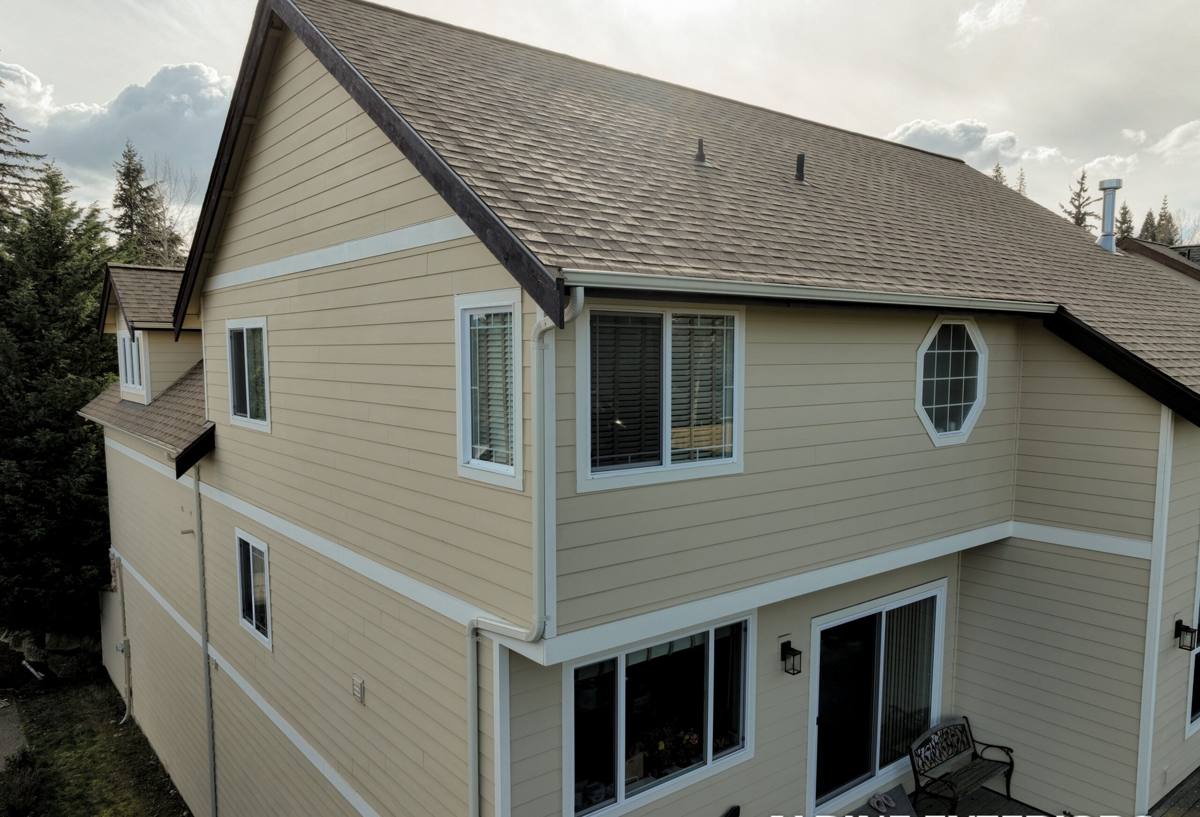
Why Roofs in University Park Take a Beating
Every roof in Sarasota County deals with the same basic climate, but a few factors show up again and again on the repair calls we run in University Park.
Hurricane-Force Wind Exposure
Sustained wind events don't just rip off whole roof sections — far more often, they loosen shingles, tiles, or ridge caps just enough to break the seal without anyone noticing from the ground. Once that seal is broken, every rainstorm afterward has an entry point. A roof can look intact from the driveway and still be compromised.
Year-Round UV Exposure
Florida doesn't give roofing materials an off-season. Asphalt shingles lose their oils and granules faster here than in most of the country, and tile roof underlayment breaks down under sustained heat even though the tile itself may look fine for decades. UV damage is gradual and easy to miss until it shows up as a leak.
Wind-Driven Rain
Straight-down rain is rarely what causes a leak. Wind-driven rain gets pushed sideways and upward under shingle edges, around vents, and into flashing that's even slightly compromised. This is why so many University Park leaks trace back to flashing and edge details rather than the field of the roof itself.
Salt Air
University Park isn't directly on the coast, but Sarasota's proximity to the Gulf means salt-laden air still reaches inland neighborhoods, especially during onshore wind patterns. Over years, that salt content accelerates corrosion on exposed metal fasteners, flashing, and vent boots — hardware failures that are easy to overlook during a routine repair but that cause the next leak.
Signs Your University Park Roof Needs Repair
Most roof problems give warning signs well before there's an active leak inside the house. Worth checking after any significant storm or at least once a year:
- Missing, curling, or cracked shingles, or cracked/slipped roof tiles
- Granules collecting in gutters or at downspout outlets
- Soft spots or discoloration on interior ceilings, especially near exterior walls
- Visible daylight or gaps around roof penetrations — vents, chimneys, skylights
- Rusted or lifting metal flashing around valleys, walls, or chimneys
- Sagging sections of roofline, which can indicate deck-level moisture damage
- Musty odors in the attic or top-floor rooms after rain
- Debris buildup or standing water in valleys or behind roof-mounted equipment
Any one of these on its own might not mean much. Two or three together, especially after a storm, is worth a professional look before the next heavy rain.
What a Correct Roof Repair Actually Involves
A roof repair that's done right is diagnostic work first and installation work second. Slapping sealant over a stain or swapping a few shingles without finding the actual entry point is why so many "repaired" roofs leak again within a year.
Finding the Real Source
Water travels. A stain on a ceiling is often several feet from where water is actually entering the roof deck, especially on a pitched roof where water runs along rafters or underlayment before it drips through. A proper repair starts with tracing the path, not just patching the visible symptom.
Matching Materials and Techniques
A repair patch that doesn't match the surrounding material's age, profile, or fastening pattern becomes its own weak point. Shingle repairs need matching exposure and nail placement; tile repairs need the underlayment addressed, not just the tile reset on top of a compromised layer underneath.
Flashing Gets Priority, Not an Afterthought
Because wind-driven rain concentrates at edges, valleys, and penetrations, flashing repair or replacement is often more important than the field material itself. We treat flashing as a core part of any repair scope, not a line item that gets skipped to save time.
Working Within Florida Building Code
Roof repairs in Sarasota County fall under Florida Building Code requirements, which factor in wind resistance and, depending on the scope of work, may affect permitting or wind mitigation documentation homeowners use for insurance. We keep repairs compliant so they don't create problems at insurance renewal or resale.
Our Roof Repair Process
- Inspection: We get on the roof (or use a safe vantage point where access is limited) and inspect the full system — field material, flashing, penetrations, and attic side where accessible.
- Diagnosis and honest quote: We explain what's actually failing, why, and what it will take to fix it correctly — including telling you if repair isn't the right call and replacement makes more financial sense.
- The repair: Matching materials, proper fastening, and flashing work done to hold up against the next storm season, not just to pass a quick visual check.
- Cleanup and walkthrough: Job site cleared of debris and fasteners, and we walk you through exactly what was done and where.
- Follow-up: If anything related to the repair shows up after the next hard rain, we come back and make it right.
Repair or Replace? Cost Factors to Weigh
Not every roof problem needs a full replacement, but not every leak is worth chasing with repairs indefinitely either. These are the factors that actually drive the decision:
| Factor | Favors Repair | Favors Replacement |
|---|---|---|
| Roof age | Under roughly half its expected lifespan | Near or past expected lifespan for the material |
| Damage extent | Isolated to one section or penetration | Spread across multiple areas or roof planes |
| Underlayment condition | Intact where accessible | Deteriorated or brittle in exposed areas |
| Repair history | First or second repair on this roof | Repeated repairs to the same or nearby areas |
| Insurance/resale timing | No near-term sale or claim pending | Home sale, refinance, or wind mitigation update planned |
We'll give you a straight answer on which side of that table your roof falls on. A repair that's likely to fail again within a year or two isn't a good use of your money, and we'll say so.
Roofing Materials We Work With in University Park
University Park has a mix of roof types, and repair approach differs by material.
Asphalt Shingle
The most common roof material in the area and generally the most straightforward to repair when caught early, since individual shingles and flashing sections can be replaced without disturbing the rest of the roof.
Concrete and Clay Tile
Tile roofs are durable on the surface but the underlayment beneath them does the actual waterproofing and has a shorter service life than the tile itself. Tile repairs often mean carefully lifting and resetting tile to address underlayment, not just replacing a cracked piece.
Metal Roofing
Less common but present on some homes in the area. Repairs typically center on fastener condition, panel seams, and flashing at transitions, since salt air accelerates fastener corrosion faster than it affects the panels themselves.
Our standard is to match the existing system rather than mix incompatible materials or techniques into a repair — a mismatched patch is often where the next leak starts.
Why a Crew That Already Works in University Park Matters
Roofing knowledge that's specific to a neighborhood isn't marketing — it's practical. A crew that's already worked on University Park homes has a working sense of the common roof ages, the material mix in the area, and the way this part of Sarasota County's wind and rain patterns actually load a roof, versus what's true in coastal barrier-island neighborhoods or inland communities with different exposure. That translates into faster, more accurate diagnosis and fewer surprises once we're on the roof.
It also means we're not disappearing after the invoice clears. We're a Sarasota-area crew, and if a repair needs a follow-up visit after the next storm, we're close enough to make that easy — not driving in from out of the county.
Get an Honest Look at Your Roof
If you're seeing signs of roof trouble — or you just want an honest read on where your roof stands before the next storm season — we're happy to take a look. The estimate is free, there's no pressure to commit to anything, and if repair isn't the right call, we'll tell you that too. Use the form below to get started.