 Sarasota Siding
 Building a Deck in Venice That Actually Holds Up
Venice sits on the Gulf, which means any deck built here is working against a harder environment than a deck built twenty miles inland. Salt-laden air corrodes hardware, intense year-round UV breaks down wood fibers and fades finishes, wind-driven rain forces water into joints and connections that were never meant to stay wet, and hurricane-force wind loads test every fastener and footing in the structure. A deck that would be fine in a drier, calmer climate can start failing here in a fraction of the time if it wasn't built with those conditions in mind from the start.
That's the difference between a deck that looks good for one season and one that's still solid a decade later: the materials chosen, the hardware spec'd, and the way the frame is put together underneath the boards you actually stand on. This page covers what a Venice deck project actually needs, what correct work looks like, and how we approach it.
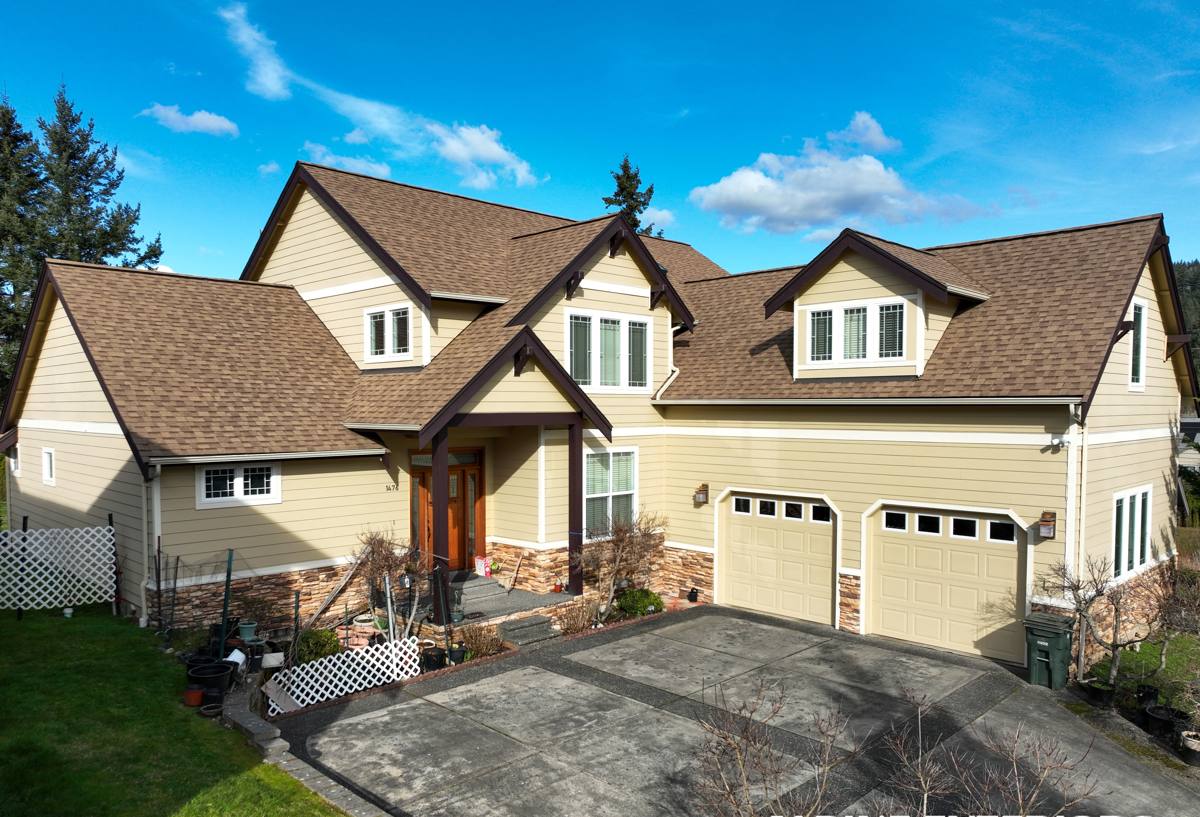
What Venice's Coastal Climate Does to a Deck Over Time
Homeowners often notice deck problems at the surface — a board that's cupping, a railing that feels loose, fasteners bleeding rust stains into the wood. Those symptoms usually trace back to one of a handful of climate-driven causes:
- Salt air corrosion — standard zinc-coated screws and brackets break down faster near the coast, especially on decks that catch onshore breeze. Once a fastener starts corroding, it loses holding strength quietly, long before it looks obviously bad.
- UV exposure — Florida sun is relentless nearly year-round. Untreated or poorly finished wood grays, splinters, and dries out unevenly; even some composite products can fade or chalk over time if the capstock isn't rated for it.
- Wind-driven rain — storms here don't just drop rain straight down, they push it sideways into ledger connections, post bases, and any gap where end-grain is exposed. Wood that isn't sealed on cut ends and properly flashed at the house connection will absorb that water and start to rot from the inside.
- Wind uplift — hurricane-force gusts put real lateral and uplift load on a deck structure, especially larger or elevated decks. Undersized post connections and light-duty joist hangers are a common weak point.
None of this means a deck can't be built to last in Venice — it means the build has to account for these forces rather than use a generic, inland-style approach.
Choosing the Right Decking Material for This Climate
There's no single "best" decking material for every homeowner — it depends on budget, maintenance tolerance, and how the deck will be used. Here's how the common options actually perform under Sarasota County coastal conditions:
| Material | How It Handles Salt Air & UV | Maintenance | Typical Lifespan Here |
|---|---|---|---|
| Pressure-treated pine | Needs sealing/staining to resist UV graying and moisture cycling; cut ends must be re-treated | Re-seal every 1-2 years | 10-15 years with upkeep |
| Composite decking | Good UV and moisture resistance if the capstock is rated for coastal sun; no rot risk | Occasional washing, no sealing | 20-25+ years |
| PVC/vinyl decking | Excellent moisture and salt resistance since it doesn't absorb water like wood-based products | Low — occasional cleaning | 25+ years |
| Tropical hardwood (e.g., ipe) | Naturally dense and rot-resistant, but still needs oiling to prevent surface checking from UV | Annual oiling recommended | 20-25+ years with upkeep |
We'll walk through the honest trade-offs with you rather than push whatever's easiest for us to install. A lower-maintenance material usually costs more upfront but saves money and hassle over the life of the deck — that math changes depending on how long you plan to stay in the home and how much upkeep you're willing to do.
Hardware Matters as Much as the Decking
Regardless of which decking material a homeowner chooses, we treat the fasteners and structural hardware the same way: stainless steel or coated fasteners rated for coastal/marine exposure, corrosion-resistant joist hangers, and post bases designed to keep wood off standing water. A beautiful composite deck surface sitting on undersized or corroding hardware is still a deck with a short structural lifespan — the part you can't see is what actually determines how long it lasts.
Structural Basics: Footings, Framing, and Connections
The framing underneath the decking is where most long-term failures actually start, and it's also where corner-cutting is hardest for a homeowner to catch. A correctly built deck frame in this area includes:
- Footings sized and set to the depth required for the soil conditions and load, not just poured to "look deep enough"
- A ledger board (where the deck attaches to the house) properly flashed to keep wind-driven rain from getting behind the siding or into the rim joist
- Joist hangers and structural connectors rated for the load and corrosion resistance the site needs
- Post-to-beam and post-to-footing connections engineered to resist uplift, not just gravity load
- Proper spacing and blocking so the frame doesn't flex or bounce under normal use
Ledger board flashing in particular is one of the most common weak points we find on older or poorly built decks in this area — it's an easy step to shortcut because it's invisible once the decking goes down, but it's often the entry point for the water damage that eventually rots out a rim joist or band board.
Permitting and Code Requirements in Sarasota County
Deck construction in Venice falls under Sarasota County and City of Venice permitting and building code requirements, which govern footing depth, structural connections, guardrail height and spacing, and stair requirements, among other things. Elevated decks, decks attached to the house, and decks over a certain size typically require a permit and inspection regardless of who builds them.
Skipping permitting on a structural project like a deck isn't just a compliance issue — it can create real problems at resale, with insurance claims after storm damage, and with liability if something fails. We handle the permitting and inspection process as part of the job rather than leaving it for the homeowner to sort out, and we build to the code requirements that apply to this jurisdiction, not a generic national standard.
Our Deck Building Process
Every property is different, but the general sequence for a Venice deck project looks like this:
- On-site assessment — we look at the house connection point, grading, drainage, sun/wind exposure, and existing structure (if we're replacing an old deck) before recommending an approach.
- Design and material selection — we talk through layout, decking material, railing style, and any features like built-in seating or stairs, with honest guidance on what holds up best for your budget and maintenance preference.
- Permitting — we prepare and submit what's needed for Sarasota County/City of Venice approval before construction starts.
- Demolition (if applicable) — removal of the old deck and inspection of the house connection point and any framing underneath for hidden rot or damage.
- Footings and framing — footings, posts, beams, joists, and ledger flashing built to code and to the load and corrosion-resistance requirements for a coastal property.
- Decking, railing, and stairs — installed with fastening patterns and hardware appropriate to the material and this climate.
- Final inspection and walkthrough — we confirm the county inspection passes and walk the finished deck with you, including basic maintenance guidance for the material you chose.
Signs an Existing Deck Needs Attention
If you already have a deck and aren't sure whether it needs repair or full replacement, these are the warning signs worth taking seriously before the next storm season:
- Soft, spongy, or visibly discolored spots in the decking boards
- Rust streaks running down from screws, bolts, or brackets
- Any wobble or movement in the railing when you lean on it
- Gaps or separation where the ledger board meets the house
- Visible rot or splitting at post bases or where wood contacts the ground
- Boards that have cupped, warped, or lifted at the fasteners
Some of these are simple repairs; others point to a framing problem that's cheaper to fix now than after it fails during a storm. We can tell you honestly which category a given issue falls into.
Keeping a Venice Deck in Good Shape After the Build
Maintenance needs depend heavily on the material chosen. Wood decking needs periodic sealing or staining to keep UV and moisture from doing damage, with particular attention to cut ends and any spot where two boards meet. Composite and PVC decking need far less upkeep, but should still be washed periodically to keep salt residue and organic buildup from accumulating, and hardware should be checked after major storms since that's when connections take the most load. Regardless of material, keeping gutters and downspouts directing water away from the deck's footing area helps prevent the kind of standing water that accelerates corrosion and rot at ground level.
Why a Crew That Already Works in Venice Makes a Difference
Deck building isn't unique to the coast, but building one that lasts on the coast requires decisions a lot of general contractors don't think about unless they've dealt with the consequences firsthand — the right fastener grade, correct ledger flashing, footing depth appropriate to local soil, and a permitting process specific to Sarasota County and the City of Venice. A crew that regularly works in this area already knows what the inspectors look for, what hardware actually holds up a few blocks from the water, and what tends to fail first on decks that weren't built with this climate in mind. That local experience shows up less in the sales pitch and more in the parts of the deck you never see once it's finished.
If you're planning a new deck, replacing an aging one, or just want an honest read on whether your current deck is sound, we're happy to take a look and give you a straightforward assessment. Reach out for a free, no-pressure estimate using the form below.