 Sarasota Siding
 Windows Built for Rosemary District's Climate, Not Just Its Look
Rosemary District sits just north of downtown Sarasota, a walkable neighborhood where century-old bungalows share blocks with new construction and converted commercial buildings. Whatever the age of the house, the windows in it face the same environment: Gulf Coast hurricane winds, intense year-round UV, wind-driven rain that finds every gap, and salt-laden air that works on metal and hardware year-round. In Sarasota County, a window isn't just an opening for light and airflow — it's one of the building envelope's weakest points if it isn't installed correctly for this climate. A window installation here has to do two jobs at once: perform in a design wind event and survive daily exposure to sun and salt for the next twenty-plus years.
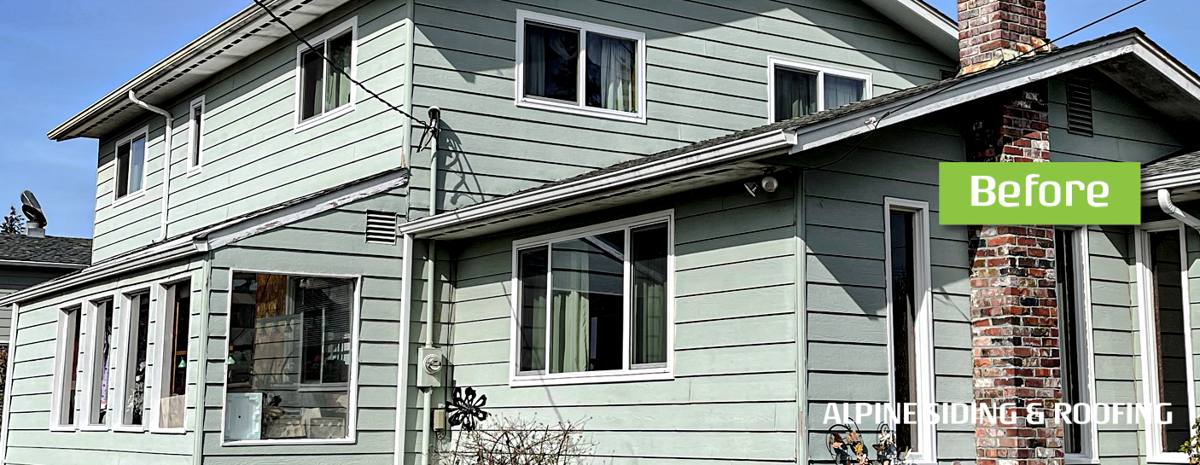
The Two Types of Homes We See in Rosemary District
Historic Bungalows and Early-Twentieth-Century Homes
A good number of Rosemary District's original homes date back to the early-to-mid 1900s. Many still have their original wood-frame single-pane windows, or aluminum single-hung replacements installed decades ago during a remodel. Original openings in homes this age are frequently out of square, framed with true (not nominal) dimension lumber, and finished with plaster or older stucco that doesn't behave like modern synthetic stucco. Fitting a modern window into one of these openings correctly takes more field measurement and more careful trim-out than a straightforward retrofit — cutting corners here is how you end up with a window that looks fine on day one and leaks on year two.
New Construction and Infill Builds
Rosemary District has also seen a steady wave of new construction and infill development. These homes come with square, code-built openings, but that doesn't mean window installation is an afterthought. New builds still need windows and glazing that meet current Florida Building Code wind pressure ratings for their exposure, and the installation still has to integrate properly with whatever wall assembly and weather-resistive barrier the home was built with — house wrap, self-adhered flashing membrane, or synthetic stucco over foam.
Signs It's Time to Replace, Not Repair
Not every window problem calls for full replacement, but in a coastal climate like Sarasota's, a few symptoms usually mean repair is just delaying the inevitable:
- Fogging or a milky haze between panes on double-pane windows — the seal has failed and can't be repaired
- Visible corrosion, pitting, or white oxidation on aluminum frames or hardware
- Windows that are difficult to open, close, or lock, or that have started to sag in the frame
- Soft wood, discoloration, or a musty smell at the sill or surrounding trim, suggesting water intrusion
- Noticeable drafts, whistling in wind, or a room that's harder to keep cool than the rest of the house
- Single-pane glass with no impact rating, especially on a home that's never had shutters or protection installed
- A steady climb in cooling costs that isn't explained by anything else in the home
Choosing the Right Window for This Neighborhood
Frame Material
Frame material matters more here than in a dry, inland climate, because salt air and UV are constantly working against whatever's holding the glass. Here's how the common options compare for a Rosemary District home:
| Frame Material | Salt Air / Corrosion Resistance | UV / Heat Tolerance | Maintenance |
|---|---|---|---|
| Vinyl | Very good — nothing to corrode | Quality varies by product; look for UV-stabilized formulations | Low — no painting, occasional cleaning |
| Aluminum | Fair — prone to pitting and oxidation near the coast without proper coatings | Good structural stability under heat | Moderate — coatings and hardware need periodic attention |
| Fiberglass | Excellent — dimensionally stable, resists corrosion | Excellent, holds up well to sun exposure | Low |
| Wood (with cladding) | Weak on exposed wood; better when clad in vinyl or aluminum | Poor if left uncladded and unmaintained | High for unclad wood, moderate if clad |
For historic bungalows, we often recommend a well-built vinyl or clad option that can be finished or profiled to respect the home's original look, rather than a bare aluminum unit that will pit and streak within a few years of salt exposure.
Glass and Impact Protection
Sarasota County falls within Florida's windborne debris region, which means most homes need either impact-rated glazing or code-approved shutter protection on exterior openings — you can't simply install standard residential glass and call it done. Impact windows use laminated glass with an interlayer that holds the pane together under wind-borne impact, so the opening stays protected even if the outer glass cracks. Beyond wind, a good low-E coating cuts down on the UV load and solar heat gain that this part of Florida sees all year, which matters both for comfort and for protecting flooring and furniture from fading.
Permits, Codes, and Historic District Considerations
Window replacement in the City of Sarasota requires a building permit, and the new windows need product approval documentation showing they meet the wind pressure and impact requirements for the site. That paperwork isn't a formality — it's what an inspector checks against, and it's what protects you if a warranty or insurance question comes up later. If your home sits within a locally designated historic or architectural review area within Rosemary District, there may be additional review for visible exterior changes, including window style, material, and color, before permits are issued. We always recommend confirming this with the city before ordering product, since a design that isn't approved can mean re-ordering and re-submitting.
What a Correct Installation Actually Involves
The window itself is only part of the job. Most failures we get called out to fix — water stains, soft trim, mold behind the wall — trace back to installation details, not the product. A correct job includes:
- Removing the old unit without damaging the surrounding framing or stucco more than necessary
- Inspecting the opening for rot, corrosion, or structural issues before anything new goes in
- Installing flashing and a weather-resistive barrier that directs water out and away from the wall assembly, not just caulk over a gap
- Setting the window level, plumb, and square, with shims placed according to the manufacturer's installation instructions
- Using fasteners and anchoring rated for the required wind load, not general-purpose screws
- Sealing with a sealant compatible with both the window frame and the wall finish, applied in the right sequence relative to the flashing
- Finishing trim and stucco or siding tie-in so the exterior sheds water the way it did before, or better
Our Process, Start to Finish
- On-site assessment of your current windows, openings, and any signs of existing water intrusion or structural concern
- Measurement and product recommendation based on your home's age, exposure, and whether it falls under any historic or architectural review
- Permit preparation and submission to the City of Sarasota, including product approval documentation
- Scheduling removal and installation to minimize how long any opening is exposed
- Careful removal, opening inspection, and repair of any rot or damage found before the new window goes in
- Installation following manufacturer specifications for flashing, fastening, and sealing
- Final inspection walk-through and coordination of the required city inspection
- Site cleanup and removal of old materials
Cost Factors to Expect
Every home is different, but the same handful of factors drive most of the variation in price for a Rosemary District window project:
| Factor | Why It Affects Cost |
|---|---|
| Number and size of openings | More openings and larger glass mean more material and labor |
| Impact-rated vs. standard glass with shutters | Impact glazing costs more up front but requires no separate shutter installation or storm-day labor |
| Frame material | Vinyl, aluminum, and fiberglass carry different material costs and finish options |
| Condition of the existing opening | Rot, out-of-square framing, or old stucco damage adds repair time before the new window can go in |
| Historic or architectural review requirements | Approved materials or styles may narrow product choices or add permitting time |
| Access and site conditions | Second-story work, tight lot lines, or limited staging space affect labor time |
Why a Crew That Already Works Rosemary District Matters
A contractor who already does window work in this neighborhood has usually already dealt with its specific mix of building ages, has a working relationship with the City of Sarasota permitting office, and knows what to expect when opening up a wall on a home built in the 1920s versus one built last year. That familiarity shows up in fewer surprises during the job — fewer change orders for hidden rot, fewer permit delays from missing documentation, and a finished install that actually matches the durability the coastal climate demands. It's the difference between a crew learning your neighborhood on your job, and one that already knows it.
If you're weighing repair versus replacement, or just want an honest read on what your current windows can handle through another Sarasota storm season, we're happy to take a look. Fill out the form below for a free, no-pressure estimate.