 Sarasota Siding
 Laurel Park Roofs Take a Different Kind of Beating
Laurel Park sits close enough to downtown Sarasota and the bayfront that its roofs deal with everything the Gulf Coast throws at a home in a single year: hurricane-force wind gusts during storm season, brutal year-round UV that bakes shingles from above, wind-driven rain that finds every gap in flashing, and a steady drift of salt air that speeds up corrosion on anything metal. None of that is unique to one street or one house — it's the baseline for Sarasota County — but it adds up differently on a neighborhood like Laurel Park, where a lot of the housing stock is older, roof lines are varied, and mature tree canopy shades (and drops debris on) roofs that newer subdivisions don't have to deal with.
Asphalt shingle roofing remains the most practical, cost-effective option for the majority of homes in this area, but "practical" only holds up if the installation actually accounts for local conditions. A shingle roof installed the same way you'd install one in a mild inland climate will underperform here — sometimes dramatically, sometimes just a few years sooner than it should. This page covers what a correct asphalt shingle roof looks like for a Laurel Park home, what our process involves, and why local experience matters more than most homeowners assume.
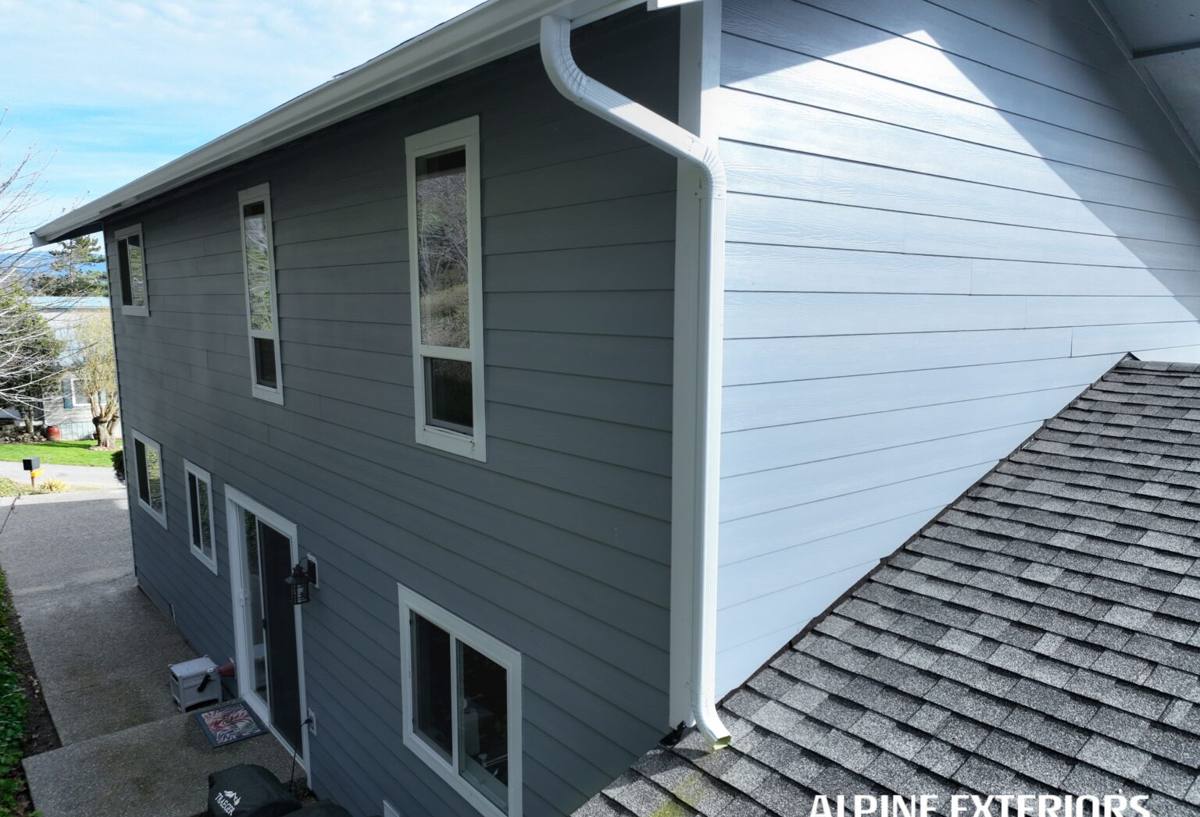
What Makes Laurel Park Homes Different
Older Construction, Mixed Roof Ages
Laurel Park is one of Sarasota's older, established residential pockets, with a mix of bungalow-era homes and later additions or full re-roofs layered on top of original framing. That matters for roofing because deck condition, ventilation design, and even rafter spacing can vary from what you'd find in a home built in the last two decades. A contractor who doesn't check deck integrity before laying new shingles is setting the new roof up on a weak foundation, regardless of how good the shingles themselves are.
Tree Canopy and Debris
Mature trees are part of what gives older Sarasota neighborhoods their character, and they're common around Laurel Park. Shade helps reduce some UV load, but overhanging limbs also mean more organic debris — leaves, seed pods, small branches — collecting in valleys and behind chimneys. Left alone, that debris holds moisture against the shingles and accelerates granule loss and algae staining, especially on the north-facing slopes that don't dry out as fast.
Proximity to the Bayfront
Being close to the water means more airborne salt reaching roofing metal — flashing, drip edge, exposed fasteners, and vent stacks. Standard galvanized components corrode faster here than they would further inland, which is one of the reasons flashing and fastener selection deserves more attention on a project like this than a generic roofing job would get.
What a Correct Asphalt Shingle Installation Actually Involves
A shingle roof is a system, not just a layer of shingles. Skipping or shortcutting any one component undermines the whole thing, especially under wind and rain loads typical of a Sarasota County hurricane season.
- Deck inspection and repair: Every section of decking gets checked for soft spots, delamination, or old fastener damage before anything new goes down. Bad decking gets replaced, not covered.
- Underlayment: A synthetic or self-adhering underlayment rated for wind-driven rain, installed to manufacturer spec, not just stapled on quickly. This is the layer that actually keeps water out if a shingle gets lifted or damaged in a storm.
- Starter strips and drip edge: Proper starter courses at eaves and rakes prevent wind from getting under the first row of shingles — one of the most common failure points in cheaper installs.
- Nailing pattern and fastener count: Wind performance is largely determined by how many nails go into each shingle and where. High-wind zones like ours call for more fasteners per shingle than manufacturers require in milder climates, placed exactly in the nailing zone.
- Flashing at every penetration and transition: Chimneys, vent stacks, sidewalls, and valleys are where roofs actually leak. Corrosion-resistant flashing, properly lapped with the underlayment and shingles, matters more here given the salt air than it would inland.
- Attic ventilation: Balanced intake and exhaust ventilation keeps attic temperatures and moisture in check, which protects the underside of the deck and helps the shingles themselves last through Florida summers.
Shingle Options for Laurel Park Homes
Most Laurel Park homeowners are choosing between a standard three-tab shingle, an architectural (laminate) shingle, or a higher-end impact-rated architectural shingle. Each has real trade-offs worth understanding before you decide.
| Shingle Type | Typical Wind Rating | Best Fit | Trade-Offs |
|---|---|---|---|
| 3-Tab Asphalt | Lower (varies by product) | Budget-conscious re-roofs | Flatter look, generally shorter lifespan under Gulf Coast sun and wind |
| Architectural (Laminate) | Moderate to high | Most homes in this area | Heavier, more dimensional, better wind and UV performance for the price |
| Impact-Rated Architectural | High | Homes wanting max storm resilience | Higher upfront cost, may qualify for insurance premium credits |
We don't push one tier on every homeowner. The right choice depends on your roof's slope, exposure, how long you plan to stay in the home, and your insurance situation — all things we walk through during the estimate rather than assuming up front.
Our Process, Start to Finish
- On-site inspection: We look at the existing roof, decking, ventilation, and flashing conditions in person — not from a satellite photo.
- Honest scope and estimate: You get a written breakdown of what's needed and why, including any deck repair, before work starts.
- Material selection: We help you weigh shingle tier, color, and warranty options against your budget and how long you plan to own the home.
- Tear-off and deck prep: Old roofing comes off, decking is inspected again once it's exposed, and any damaged sections are replaced.
- System installation: Underlayment, flashing, starter strips, shingles, and ventilation components go in per manufacturer specification and local wind-load requirements.
- Cleanup and final walkthrough: Job site is cleared of debris and nails, and we walk the finished roof with you before calling it done.
Signs Your Laurel Park Roof Needs a Closer Look
- Granules collecting in gutters or at downspout outlets
- Curling, cupping, or cracked shingles, especially on south- and west-facing slopes
- Dark streaking or algae growth on shaded, north-facing sections
- Soft spots or sagging when walked on (a sign of deck deterioration)
- Visible daylight or water stains in the attic near penetrations or valleys
- Rusting or lifted flashing around chimneys, vents, or sidewalls
- Missing shingles or exposed fasteners after a wind event
If you notice more than one or two of these, it's worth getting a professional look before the next storm season rather than after.
What Drives Cost on a Project Like This
| Factor | Why It Matters |
|---|---|
| Roof size and complexity | More valleys, dormers, and penetrations mean more labor and flashing work |
| Deck condition | Rotten or delaminated decking needs replacement before shingles go on |
| Shingle tier | 3-tab, standard architectural, and impact-rated products have different material costs |
| Ventilation upgrades | Adding or correcting intake/exhaust ventilation adds labor but extends roof life |
| Access and tree cover | Mature trees near the roofline can add setup and cleanup time |
We don't quote broad price ranges without seeing the roof — too much depends on the factors above — but every estimate breaks down exactly what's driving the number so you're not guessing at what you're paying for.
Why a Crew That Already Works Laurel Park Matters
Roofing crews who work across a wide, varied territory tend to treat every job the same way. A crew that regularly works in Sarasota's older, in-town neighborhoods already has a feel for the kind of decking, roof pitches, and flashing conditions common to homes of this era — which means fewer surprises mid-job and a more accurate estimate up front. It also means familiarity with how Sarasota County permitting and inspection processes work for re-roofs, so there's less back-and-forth once work is scheduled.
Local presence also matters after the job is done. If a named storm rolls through and a neighbor's roof takes damage, a crew that's already established in the area is easier to reach and more likely to get to storm-related repairs quickly, rather than juggling a schedule spread across the whole region.
Caring for Your Roof After Installation
A correctly installed asphalt shingle roof still benefits from basic upkeep in this climate. Keep gutters and valleys clear of leaf litter, especially under tree canopy. Have flashing and vent boots checked periodically for salt-related corrosion. After any major wind event, a quick visual check — or a call to us — for lifted or missing shingles can catch small problems before they become water damage inside the attic or ceiling.
If you're weighing a re-roof or repair for a home in Laurel Park, we're glad to come take a look and give you a straightforward, no-pressure estimate — just fill out the form below to get started.