 Sarasota Siding
 Southside Village Homes Face a Different Roofing Reality
Southside Village is one of Sarasota's older, established in-town neighborhoods — a mix of original bungalows, additions, and full renovations sitting under a mature tree canopy, close enough to the water to catch salt air on a regular basis. A roof here doesn't just need to look right on a home with real character. It needs to hold up to conditions that a lot of national roofing guidance simply doesn't account for: sustained coastal humidity, direct tropical sun for most of the year, and the real chance of a tropical storm or hurricane working loose anything that wasn't installed correctly the first time.
We install asphalt shingle roofs throughout Sarasota, and Southside Village comes with its own set of considerations — tree canopy that drops debris and holds moisture on the roof deck, older homes where the original decking and ventilation may not match current code, and a streetscape where a roof replacement is visible to every neighbor on the block. Getting it right matters for the house and for the neighborhood it sits in.
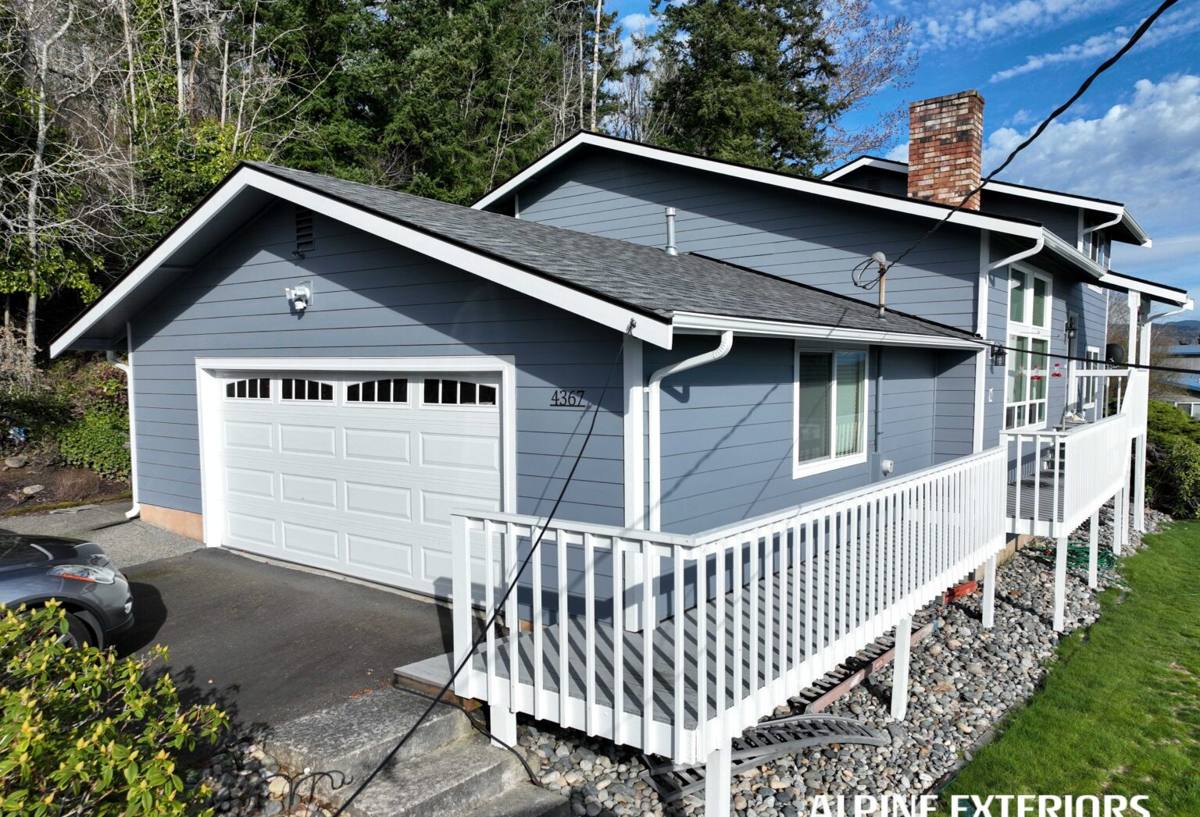
What the Climate Actually Does to Asphalt Shingles Here
Sarasota County roofs take a slower, steadier beating than most homeowners realize until they're up close on the deck. Four things do most of the damage over time:
- Hurricane-force wind gusts — even storms that never make a direct hit send sustained wind and gusts through the area, and shingles that were nailed too high, too few, or into a soft deck are the first thing to lift.
- Intense, year-round UV exposure — Florida sun is stronger and more constant than in most of the country, and it breaks down asphalt's oils faster, leading to granule loss, brittleness, and premature aging.
- Wind-driven rain — the kind that gets pushed sideways under shingle tabs and around flashing rather than simply running off the roof. This is where most leaks actually start, not from a hole in the field of the roof.
- Salt air — Southside Village's proximity to Sarasota Bay means metal roofing components (flashing, nail heads, vent stacks) corrode faster than they would inland, which shortens the life of details that are supposed to outlast the shingles themselves.
None of these forces are unique to this one neighborhood, but combined with tree cover that keeps parts of a roof shaded and damp longer after a storm, they add up to a faster aging curve than a lot of homeowners expect. A shingle roof rated for a 30-year lifespan in a mild climate typically doesn't get there in coastal Sarasota County without the right materials and correct installation.
What a Correct Asphalt Shingle Roof Involves
Asphalt shingles themselves are a commodity — the difference between a roof that lasts and one that fails early almost always comes down to what's underneath and around them.
Underlayment and Deck Prep
We check the roof deck for soft spots, delamination, and old fastener holes before anything new goes down — this matters more on older Southside Village homes where decking may have been patched or added onto over the years. We use synthetic underlayment rather than old-style felt in most applications because it holds up better to humidity and gives us a more reliable secondary water barrier if wind-driven rain gets past the shingles. In vulnerable areas — valleys, eaves, and around penetrations — we add a self-adhered underlayment for a second line of defense against wind-driven rain.
Nailing Pattern and Wind Rating
Manufacturer wind warranties are only valid if the nailing pattern matches spec — correct nail count, placement in the nailing strip (not high, not low), and a nail gun set to sink flush without overdriving. Overdriven or underdriven nails are one of the most common causes of shingles lifting in wind events, and it's invisible from the ground until it fails.
Flashing Details
Step flashing at walls, counter-flashing at chimneys, and properly sealed flashing around vent stacks and skylights matter more than the shingles themselves for keeping water out. Salt air accelerates corrosion on lower-grade metal flashing, so we use flashing rated to hold up in a coastal environment rather than the cheapest option that meets minimum code.
Ventilation
A roof deck that can't breathe traps heat and moisture, which shortens shingle life from underneath and can void manufacturer warranties outright. We check intake at the soffits and exhaust at the ridge or through vents, and correct imbalances as part of the job — not as an upsell added later.
Choosing the Right Shingle for This Climate
Not every shingle sold as "architectural" or "hurricane-rated" performs the same in practice. Here's how the common options compare for a Sarasota County home:
| Shingle Type | Wind Rating (typical) | Best Fit For |
|---|---|---|
| 3-tab (standard) | 60–70 mph | Budget re-roofs on low-slope, less exposed structures; least durable option in this climate |
| Architectural / laminated | 110–130 mph | Most Southside Village homes — good balance of durability, appearance, and cost |
| High-wind / hurricane-rated architectural | up to 150 mph | Homes with more direct exposure or owners prioritizing maximum wind performance |
| Impact-rated (Class 3/4) | Varies by product | Homeowners wanting hail and debris resistance, often paired with insurance premium discounts |
For most Southside Village homes, a quality architectural shingle rated for high wind is the right balance — it costs more than 3-tab up front but performs meaningfully better in the wind and rain events this area actually sees, and it holds its appearance longer under constant UV exposure.
Our Installation Process
- On-site inspection — we walk the roof and the attic, check the deck condition, ventilation, and flashing points, and take photos to show you what we find.
- Written estimate — a clear scope of work and price, no vague allowances, so you know exactly what's included before we start.
- Tear-off and deck check — old roofing comes off down to the deck, and any soft or damaged decking is replaced before new roofing goes down, not covered up.
- Underlayment and flashing — installed per manufacturer spec, with extra protection at valleys, eaves, and penetrations.
- Shingle installation — correct nailing pattern and exposure, checked as we go rather than only at the end.
- Ventilation correction — intake and exhaust balanced if the existing system was inadequate.
- Cleanup and final walkthrough — magnetic sweep for nails, debris hauled off, and a final look at the finished roof with you before we consider the job done.
Repair, Recover, or Full Replacement?
Not every roof problem means a full tear-off. We'll tell you honestly which category your roof falls into:
Repair makes sense for isolated damage — a section of lifted shingles after a wind event, a flashing leak, or damage from a fallen branch — on a roof that's otherwise sound and not near the end of its service life.
Recover (installing new shingles over one existing layer) is sometimes an option on a roof with a good deck and no underlying moisture problems, though we're selective about when we recommend it, since it doesn't let us inspect or correct the deck and underlayment underneath.
Full replacement is the right call when a roof has widespread granule loss, multiple layers already on the deck, recurring leaks in different spots, or storm damage significant enough that patching would just be delaying the same repair. On older Southside Village homes, replacement is also the point where we can correct ventilation and flashing issues that have been quietly working against the roof for years.
What Drives the Cost
Every roof is different, but these are the main factors that move the price up or down. We don't quote off square footage alone — the details below matter as much as the size of the roof.
| Factor | Why It Matters |
|---|---|
| Roof size and pitch | Steeper roofs take longer, need more safety setup, and use more material for the same footprint |
| Number of layers to remove | Tear-off of multiple existing layers adds labor and disposal cost |
| Deck condition | Soft or damaged decking needs replacement before new roofing goes down — this isn't always visible until tear-off |
| Shingle class chosen | Standard 3-tab, architectural, and impact-rated products carry different material costs |
| Roof complexity | Valleys, dormers, chimneys, and skylights all add flashing work and labor time |
| Ventilation corrections | Adding or upgrading soffit and ridge ventilation is sometimes needed to meet code or warranty requirements |
We'll walk you through where your estimate's cost is actually coming from rather than handing you a single number with no explanation.
Why a Crew That Already Works Southside Village Matters
A roofing crew that regularly works this specific neighborhood knows things a crew coming in cold doesn't: how tree canopy affects moisture retention on certain roof sections, what condition older Southside Village decking tends to be in, and how salt air exposure this close to the bay shortens the service life of lower-grade flashing and fasteners. That's not marketing — it's the accumulated detail that keeps a job from turning into a surprise mid-tear-off.
It also means accountability. A local Sarasota crew is here for the warranty call, the follow-up question six months after the job, and the next hurricane season — not just the day the invoice gets paid. We're not asking you to take a stranger's word for it; we're a Sarasota County business working in Sarasota County neighborhoods, including this one, on an ongoing basis.
Maintenance Checklist for Southside Village Homeowners
A correctly installed roof still needs basic upkeep to hit its full lifespan in this climate. A few habits go a long way:
- Clear leaves and debris off the roof and out of gutters regularly, especially after storms — trapped debris holds moisture against shingles.
- Trim back tree limbs that overhang the roofline to reduce shade-related moisture and physical abrasion damage.
- Have the roof visually inspected after any significant wind event, even if you don't see obvious damage from the ground.
- Watch for granules collecting in gutters or downspouts — a sign of accelerating shingle wear.
- Check attic ventilation isn't blocked by insulation or storage, which can trap heat and moisture against the deck.
- Address small leaks or lifted shingles promptly rather than waiting — early repairs are far cheaper than water damage repair later.
Get an Honest Look at Your Roof
If your Southside Village home's roof is getting older, showing wear, or you just want an honest assessment before the next storm season, we're happy to take a look. The estimate is free, there's no pressure to move forward, and we'll tell you plainly what your roof actually needs — whether that's a repair, a recover, or a full replacement. Use the form below to get started.