 Sarasota Siding
 Board & Batten on Siesta Key: A Coastal Look That Has to Earn Its Keep
Board and batten siding has a natural fit on Siesta Key. The vertical lines echo the beach-cottage and coastal-modern styles common on the island, and the strong shadow lines it creates look sharp against Gulf light in a way flat lap siding sometimes doesn't. But on Siesta Key, the same siding that looks good in a photo also has to survive a barrier island environment: salt-laden air blowing in almost daily, intense sun for most of the year, wind-driven rain during storms, and the kind of humidity that never really lets a wall assembly dry out completely. Board and batten's wide flat panels and narrow battens create long, continuous joints and seams — and on this island, every one of those seams is a place where water, salt, and UV are looking for a way in.
We install board and batten siding on Siesta Key and elsewhere in Sarasota County regularly, and we do it in exactly one material: James Hardie fiber cement. Not because it's the only board and batten option on the market, but because of what we've seen happen to the alternatives in this specific climate, and what we haven't seen happen to Hardie when it's installed correctly.
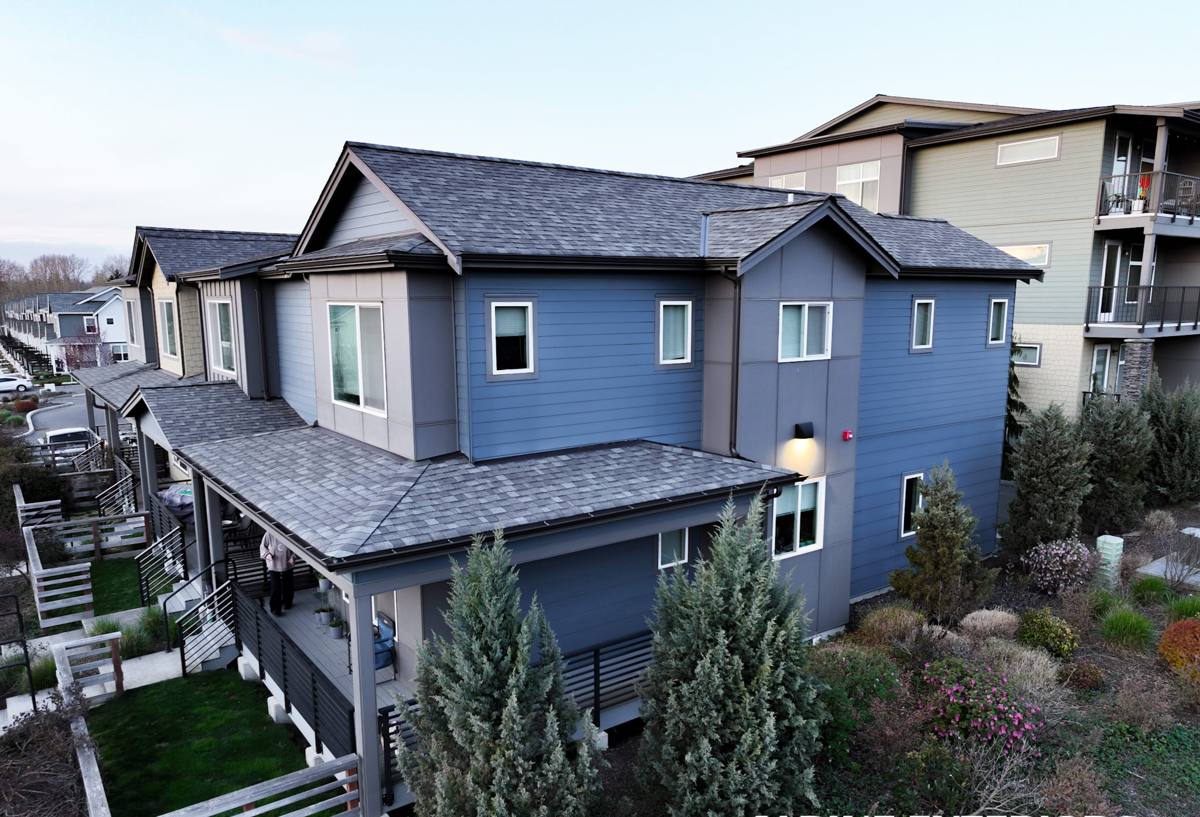
What Siesta Key's Climate Actually Does to Board and Batten Siding
Salt Air
Siesta Key sits close enough to the Gulf that airborne salt is a constant, not an occasional event. Salt is corrosive to exposed metal fasteners and trim flashing, and it accelerates the breakdown of lower-grade coatings and finishes. Board and batten's vertical battens are fastened at closer intervals than a typical lap board, which means more fastener penetrations per square foot of wall — every one of those needs to be sealed and finished in a way that actually holds up to salt exposure, not just factory-fresh performance.
Year-Round UV
Sarasota County gets strong, direct sun essentially every month of the year. UV breaks down pigments and degrades paint film over time, which is why board and batten siding painted on-site or finished with a lower-grade coating tends to show fading, chalking, and uneven color first on the sides of the house that face the most sun — often within just a few years on the Gulf Coast.
Wind-Driven Rain and Hurricane-Force Wind
During tropical storms and hurricanes, rain doesn't fall straight down here — wind drives it sideways, directly into wall seams, board edges, and butt joints. Board and batten has more vertical seams than lap siding by design, and those seams need correct overlaps, gaps, and flashing details or they become entry points. Wind load matters too: siding on an island like Siesta Key needs a fastening schedule and material rated to hold up under real storm wind pressures, not just standard suburban wind zones.
Constant Humidity
Between the Gulf and the intracoastal, moisture in the air rarely drops to levels that let building materials fully dry between rain events. Siding materials that absorb moisture and swell, or that need a perfect, unbroken paint film to stay protected, are working against a much harder baseline here than they would be inland.
Why We Only Install James Hardie Board and Batten Here
James Hardie's board and batten products are fiber cement — a mix of cement, sand, and cellulose fibers engineered specifically to resist moisture absorption, will not rot, and won't support termites or wood-boring pests, which matters on an island where moisture and pest pressure are both elevated. Hardie's HZ5 product line is engineered for high-humidity, storm-prone climates like ours, and the factory-applied ColorPlus finish is baked on under controlled conditions rather than rolled or sprayed on-site — it holds color and resists fading and chipping dramatically better than field-applied paint, which matters directly given how much UV this siding is going to absorb every single year.
Fiber cement is also non-combustible, which is a real practical advantage during dry spells and wildfire-adjacent conditions, and it gives Hardie a strong transferable warranty backed by a large, established manufacturer — something worth having on a coastal property where siding is doing more work than it would be almost anywhere else in the state.
We don't install vinyl, LP SmartSide, primed wood, or cedar board and batten. Each of those has legitimate uses somewhere, but on Siesta Key specifically: vinyl can warp and fade faster under this much sustained UV and heat; wood-based products need a moisture-perfect installation and ongoing maintenance to avoid rot in an environment that almost never fully dries out; and lower-grade cement board alternatives don't carry the same factory finish or climate-engineered product lines that Hardie's HZ5 does. We standardized on one product because we can stand behind the install, the warranty, and the long-term performance without hedging.
What a Correct Board and Batten Installation Involves
Board and batten looks simple from the street — vertical boards, vertical battens, done. The part that actually determines whether it lasts on a barrier island is everything underneath and behind it.
- Weather-resistive barrier: a continuous, correctly lapped moisture barrier behind the siding, since board and batten's seams give water more chances to reach the wall than lap siding does.
- Rainscreen or proper furring where called for: a drainage gap behind the panels lets any moisture that does get past the surface drain and dry out instead of sitting against the wall assembly — important given how humid the air already is here.
- Correct board spacing and expansion gaps: fiber cement expands and contracts slightly with temperature and moisture; gaps at joints need to be sized and caulked per manufacturer spec, not eyeballed.
- Fastener placement and type: corrosion-resistant fasteners, placed per Hardie's published fastening schedule, sized for the wind zone the home is actually in.
- Flashing at every penetration: windows, doors, hose bibs, light fixtures, and any other wall penetration need proper flashing so water can't track behind the panels at those points.
- Batten fastening into structure: battens need to land on framing or blocking, not just be nailed through the panel into sheathing, to hold up under real wind load.
- Factory-finished cuts sealed on-site: any field cut exposes raw fiber cement edge, which needs to be sealed with the correct product to maintain the moisture resistance the factory finish provides everywhere else.
Board and Batten vs. Other Hardie Profiles: What Fits Siesta Key Homes
| Profile | Look | Best fit | Seam exposure |
|---|---|---|---|
| Board & Batten | Vertical lines, strong shadow reveal | Coastal/cottage, modern, accent walls, gables | More vertical joints, needs careful detailing |
| HardiePlank Lap | Horizontal, traditional | Whole-house siding on most Siesta Key home styles | Fewer seams, well-proven in coastal use |
| HardiePanel | Large flat sheets, often trimmed to look like board & batten | Modern builds, porch ceilings, gable accents | Fewer seams than true board & batten |
Plenty of Siesta Key homes actually mix profiles — board and batten on gables or a front accent wall, lap siding on the main body — which gives the coastal look without covering the entire home in the seam-heavier profile. We'll walk through what fits your home's architecture and sun/wind exposure during the estimate.
Our Process for Siesta Key Board and Batten Projects
- On-site assessment: we look at your home's current siding condition, wall assembly, sun exposure on each elevation, and any problem areas (staining, soft spots, prior water intrusion) before recommending anything.
- Product and color selection: we walk through Hardie's board and batten options and ColorPlus palette, factoring in HOA guidelines where applicable — several Siesta Key communities have exterior color and material review.
- Removal and inspection: old siding comes off and we inspect the sheathing underneath for hidden moisture damage before anything new goes up — this step gets skipped by corner-cutting installers and it's the single biggest source of future problems.
- Weather barrier and drainage plane installation: installed to Hardie spec, correctly lapped and sealed, before a single board goes up.
- Board, batten, and flashing installation: installed to manufacturer fastening schedule for our wind zone, with flashing at every penetration.
- Final inspection and walkthrough: we check joints, caulking, and fastener lines before calling the job done, and walk the property with you.
Maintenance: What Board and Batten Actually Needs on Siesta Key
One of the advantages of correctly installed Hardie board and batten is that it doesn't need much — but "not much" isn't "nothing" on an island. A rinse with a garden hose every few months helps clear accumulated salt residue, especially on elevations facing the water or prevailing wind. After storms, it's worth a visual check for any loose battens, cracked caulk lines at joints, or debris impact damage. Because the ColorPlus finish is factory-applied, you're not repainting on a routine cycle the way you would with field-painted wood siding — but caulking at trim and penetration points should still be checked periodically, since caulk is the one field-applied component in the whole assembly and it does have a service life.
Why Hiring a Crew That Already Works Siesta Key Matters
Siesta Key isn't a generic wind zone or a generic humidity number on a spec sheet — it's a specific barrier island with its own combination of salt exposure, storm surge history, and HOA/architectural review patterns depending on the community. A crew that installs siding here regularly already knows which fastening schedules and flashing details actually hold up on this island over multiple storm seasons, not just in a manufacturer's general guidelines. That local track record matters more with board and batten than with almost any other siding profile, because its extra seams leave less room for a shortcut to go unnoticed until years later.
Get a Straight Answer for Your Home
If you're weighing board and batten for a Siesta Key home, we're happy to take a look, talk through what your home's exposure actually calls for, and give you a straightforward estimate — no pressure, no upsell. Fill out the form below to schedule a free estimate.