 Sarasota Siding
 Nokomis Sits Right Where Sarasota County's Weather Hits Hardest
Nokomis is a Gulf-facing community in Sarasota County, close enough to open water that homes here take on a combination of stresses inland properties see in smaller doses. Salt-laden air moves in off the water, UV exposure runs near-constant across most of the year, wind-driven rain gets pushed sideways into wall assemblies during storms, and hurricane-force wind is a real design condition rather than a rare event. None of that is unique to any single house in Nokomis — it's the baseline every exterior surface here has to survive, year after year.
Siding is usually the first material to show what that environment is doing to a home, simply because it covers the largest surface area exposed to all of it at once. This page covers what a siding replacement actually needs to accomplish for a Nokomis home, what correct installation looks like given this specific climate, and why a crew that already works this area matters more here than it does on a calmer inland job.
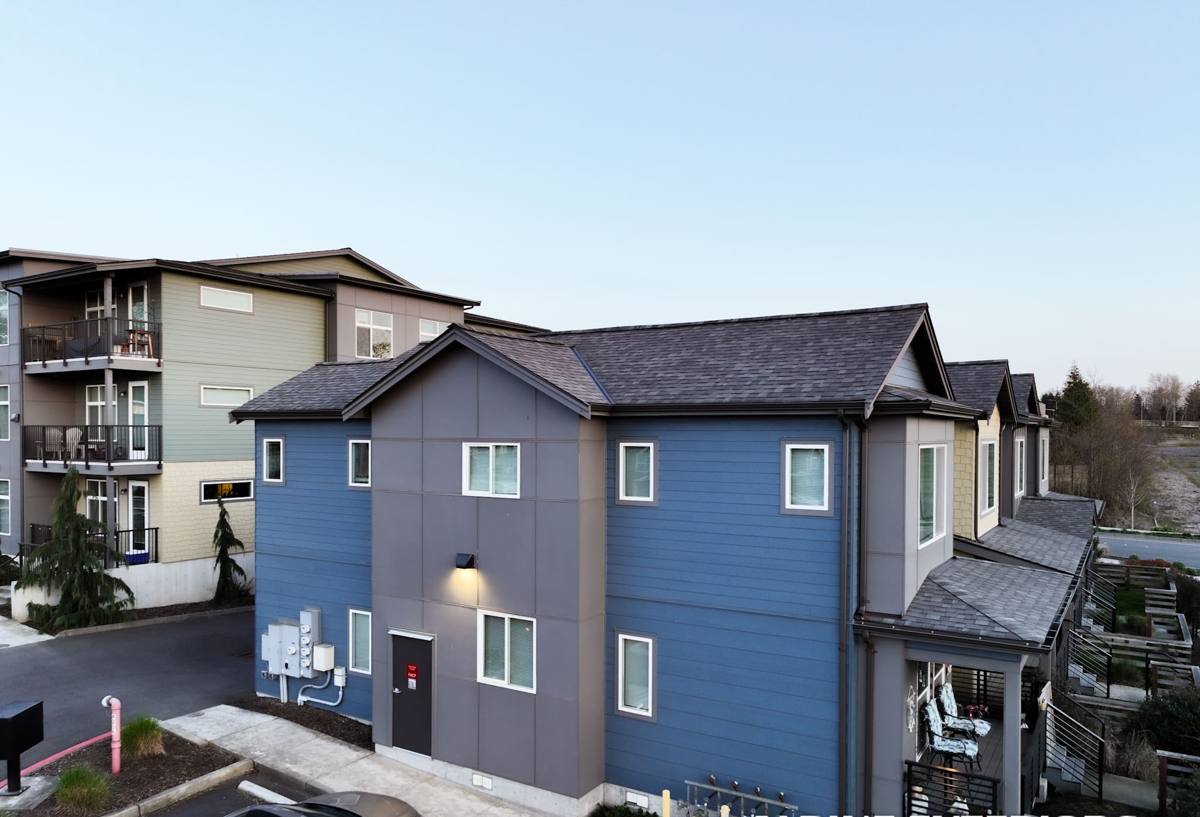
What Constant Coastal Exposure Actually Does to Siding
Salt Air Works on the Material, Not Just the Metal
Salt in the air is a corrosion problem for fasteners, trim flashing, and any exposed hardware, but it also settles into porous or poorly sealed siding surfaces and draws moisture in with it. On materials that aren't engineered to resist that cycle, the result is early paint failure and surface degradation, and eventually a path for moisture to reach the wood framing underneath.
UV Load Almost Year-Round
Sarasota County gets strong sun exposure most months of the year, without the extended cold season that gives siding elsewhere a real break from UV. That constant load fades color, breaks down lower-grade finishes faster than their rated life, and on some wood-based and engineered products accelerates the surface breakdown that eventually lets moisture in. A finish rated for a four-season climate isn't automatically rated for this one.
Wind-Driven Rain Behaves Differently
Rain that gets pushed sideways during a coastal storm doesn't behave like rain falling straight down — it's forced up and under laps, into seams, and against flashing details that a calmer climate rarely tests. A siding system's water-management details, how the laps overlap, how seams are treated, how flashing directs water back out, matter more here than the visible surface material does.
Hurricane-Force Wind as a Design Load
Wind isn't an occasional concern for a Nokomis exterior; it's something the siding system and its fastening pattern have to be sized for from the start. That affects both the product itself and the specific way it's attached to the home, not just how it looks on a calm day.
Signs a Nokomis Home's Siding Is Past Its Useful Life
Siding failure in this climate is rarely sudden. It usually shows up gradually, and the earlier it's caught, the more likely a repair — rather than a full replacement — is still on the table. Watch for:
- Visible cracking, warping, or buckling along wall sections, especially on sides that face prevailing wind and afternoon sun
- Paint that's chalking, peeling, or fading unevenly, faster than a normal repaint cycle would explain
- Soft spots when pressed near the bottom courses, window and door trim, or any wall penetration
- Visible gaps at seams, corners, or trim where wind-driven rain has an easier path inward
- Rising energy bills or noticeable drafts, which can point to a compromised weather barrier behind the siding
- Interior staining, musty odor, or bubbling paint on walls that back up to exterior siding
Any one of these on its own might still be a repair. Several together, especially on a home that's carried its original siding for a decade or more in this climate, usually means the material is past the point where patching makes sense.
Why We Install Only James Hardie Fiber Cement in Nokomis
We don't offer vinyl, LP SmartSide, Cemplank, Allura, primed spruce, or cedar on this job, and that's a deliberate standard rather than unfamiliarity with those products. Each has genuine strengths in the right setting, but none of them, in our experience, holds up as consistently as James Hardie fiber cement against the specific combination of salt air, sustained UV, wind-driven rain, and hurricane wind a Nokomis home deals with every year.
James Hardie fiber cement is non-combustible and dimensionally stable through humidity swings that make wood-based products expand and contract. It's finished with a factory-applied ColorPlus coating engineered to resist fading, rather than a field-applied paint job that needs recoating on a shorter cycle. Hardie also builds specific formulations, its HZ5 product line, engineered for exactly this kind of high-humidity, hurricane-exposed climate zone, instead of selling one generic board everywhere in the country. That's the difference between a product built for this climate and one that merely tolerates it.
We back that standard with Hardie's transferable warranty structure and a finish that's proven itself over years of real coastal installations, not just controlled lab testing. When we say we only install one product, it's because we've seen what the alternatives actually do out here over time, and we'd rather stand fully behind fewer, better installs than offer a wider menu we can't vouch for on every job.
What a Correct Siding Replacement Involves
Tear-Off and Substrate Inspection
New siding only performs as well as what's underneath it. Once the old material comes off, we inspect the sheathing and framing for moisture damage, soft spots, or rot that the old siding may have been hiding. Any compromised substrate gets repaired before a single new board goes up — installing over damaged sheathing just locks the problem inside the wall.
Weather Barrier and Flashing
A correctly installed weather-resistive barrier, with properly lapped and sealed seams, is what actually stops wind-driven rain from reaching the framing if any moisture gets past the siding surface itself. Flashing at windows, doors, and every penetration has to direct water back out and away from the wall assembly, not just cover the gap. This layer does more of the real waterproofing work than most homeowners realize, and it's invisible once the job is finished.
Fastening for Wind Load
Fastener type, spacing, and placement all have to match both the manufacturer's specifications and the wind exposure of the specific home. Hardie is explicit about fastening requirements for high-wind zones, and cutting corners here is one of the more common ways a siding job fails prematurely in a storm, even when the board material itself was the right choice.
Finish Details
Corners, trim, and caulking joints are where most siding failures actually start, not the flat field of the wall. Correctly sized gaps for expansion, proper caulking at joints, and factory-finished trim that matches the siding's warranty all matter as much as how the main boards go up.
Our Nokomis Siding Replacement Process
- On-site assessment: We walk the home, check the current siding's condition and the substrate where accessible, and note sun exposure, wind exposure, and any drainage issues around the foundation that could affect the new install.
- Product and color selection: We go through Hardie's HZ5 product lines and ColorPlus finish options together, matched to the home's style and the county's coastal climate requirements.
- Written estimate: A clear, itemized estimate covering materials, labor, tear-off, and any substrate repair work identified during the assessment, with no vague allowances buried in the total.
- Scheduling and permitting: We handle the permitting process required for exterior work in Sarasota County rather than leaving it to the homeowner to navigate.
- Tear-off and substrate repair: Old material comes off, the substrate is inspected and repaired as needed, and the weather barrier goes on correctly before any new siding is installed.
- Installation: Hardie boards are installed to manufacturer spec, with fastening and flashing detail matched to this climate's wind and moisture exposure.
- Final walkthrough: We review the finished work with you, cover the warranty coverage in plain terms, and answer any questions about care going forward.
What Drives the Cost of a Siding Replacement
Every home is different, but the same handful of factors account for most of the variation in what a Nokomis siding replacement actually costs:
| Cost Factor | Why It Matters |
|---|---|
| Home size and wall complexity | More square footage and more corners, gables, and trim details mean more material and labor |
| Substrate condition | Rot or moisture damage found during tear-off requires repair before new siding goes on, which affects total scope |
| Siding profile and finish selection | Lap width, texture, and ColorPlus color all affect material pricing within the Hardie product line |
| Trim and accessory work | Window and door trim, fascia, and soffit work done alongside the siding add to the scope |
| Access and site conditions | Landscaping, lot layout, and how the home sits relative to setbacks can affect labor time |
| Removal and disposal | Tear-off and hauling of the old siding material is part of the total job, not a separate add-on |
We walk through these factors specifically for your home during the on-site assessment, so the estimate reflects your property rather than a generic per-square-foot number that doesn't account for what your walls actually need.
Why Hiring a Crew That Already Works Nokomis Matters
A crew that mostly works inland can still install siding competently, but a Nokomis job has variables that come up less often away from the coast: fastening and flashing details sized for sustained coastal wind, salt exposure that shortens the useful life of the wrong hardware choices, and permitting that reflects Sarasota County's coastal construction requirements. Working this area regularly means we're not learning those requirements on your home. We know what substrate condition tends to look like on homes of a certain age out here, what fastener grade actually holds up against salt air over years rather than months, and how the county's permitting process runs for exterior replacement work.
That familiarity also shows up in smaller, less obvious ways: knowing which Hardie colors and finishes have actually held their look under this much sun over time, and being straightforward with you about what your home genuinely needs versus what would just pad the invoice.
Keeping New Hardie Siding Looking Right in This Climate
James Hardie siding, correctly installed, needs far less upkeep than the alternatives we don't install, but "low-maintenance" isn't the same as "no maintenance." A little routine attention keeps it performing the way it's designed to for the long haul:
- Rinse the surface periodically to remove salt residue, pollen, and organic buildup before it dulls the ColorPlus finish
- Keep sprinklers and irrigation heads angled away from the siding so it isn't taking constant direct water spray
- Trim back landscaping that holds moisture against the wall or blocks airflow along the surface
- Inspect caulking at trim joints and penetrations annually, especially after storm season, and have any gaps resealed
- Address any soft spots, staining, or bubbling paint promptly rather than waiting, since those are often early signs of a moisture path that's worth catching early
- Keep gutters and downspouts clear so runoff isn't sheeting down the wall surface during heavy rain
Let's Talk About Your Home
If your Nokomis home's siding is showing its age, or you just want a straight read on whether repair or full replacement makes more sense, we're glad to walk the property with you and lay out the options plainly. Reach out below for a free, no-pressure estimate.