 Sarasota Siding
 Bradenton's Climate Is Harder on Siding Than Most Homeowners Realize
Bradenton sits on the Gulf Coast just north of Sarasota, in the same stretch of Florida that takes the brunt of nearly every element that ages siding fast. Hurricane-force winds test how well panels are fastened and lapped. Intense, near-constant UV exposure bakes cheaper materials until they fade, chalk, or go brittle. Wind-driven rain finds every gap in flashing and trim. And the salt air rolling in off the Gulf and Sarasota Bay accelerates corrosion on fasteners and finishes that weren't built to handle it. Any one of these would be a normal design consideration for a siding contractor. Together, on a home this close to the coast, they mean siding replacement in Bradenton has to be treated as a system, not a cosmetic swap.
A lot of siding failures we see on Bradenton homes aren't really failures of the material itself — they're failures of an installation that wasn't built for this climate. That distinction matters when you're deciding what to put back on your house and who you trust to put it there.
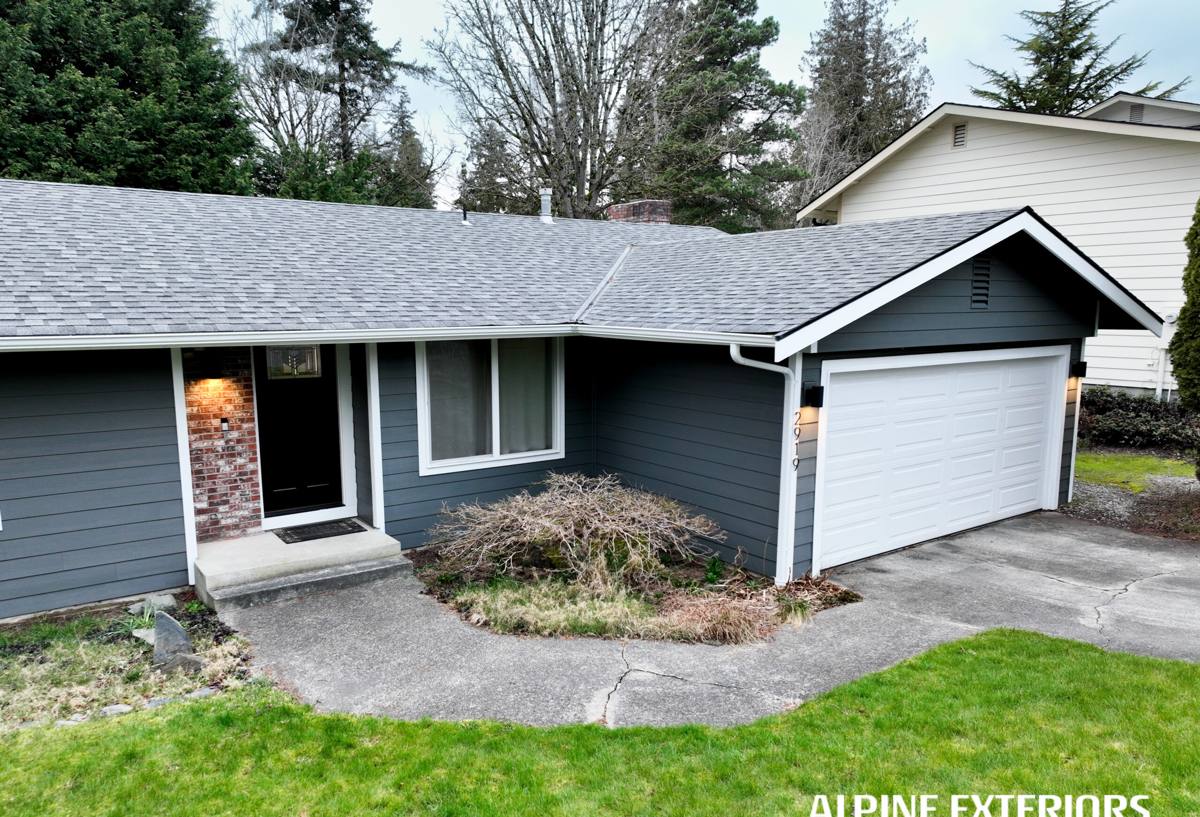
Signs a Bradenton Home Actually Needs Siding Replacement
Not every issue means a full tear-off. But in a coastal wind-and-rain environment, small problems tend to compound quickly if they're ignored. Here's what we look for during an inspection:
- Soft or spongy spots when you press on the siding, especially near the bottom courses and around windows
- Visible warping, buckling, or panels that have pulled away from the wall line
- Paint that's peeling, bubbling, or repeatedly failing within a year or two of repainting
- Cracking or splitting at panel edges and butt joints, common on wood-based and engineered wood products in humid climates
- Staining or streaking that keeps coming back after cleaning, often a sign moisture is trapped behind the surface
- Visible fastener corrosion or rust bleed, more common near the coast where salt air attacks exposed metal
- A musty smell or interior wall staining, which can mean moisture has already gotten past the siding and house wrap
If you're seeing more than one of these, especially the soft-spot or moisture-behind-the-wall signs, it's worth having someone open up a section and look at what's happening underneath before deciding whether to repair or replace.
What a Correct Siding Replacement Actually Involves
It Starts Underneath, Not With the New Panels
The siding you see is the last layer of a system. Underneath it should be a properly lapped weather-resistive barrier, correctly flashed windows and doors, and solid, dry sheathing. Replacing siding without addressing what's behind it just buries the same problems under new material. On a full replacement, we pull the old siding off and actually look at the wall — not assume it's fine because the old siding looked okay from the street.
Fastening for Wind, Not Just for Looks
In a hurricane-exposed market like Bradenton, fastener pattern and type aren't optional details — they're the difference between siding that stays on in a storm and siding that peels off in sheets. That means following the manufacturer's high-wind fastening schedule, using corrosion-resistant fasteners appropriate for coastal salt exposure, and never relying on shortcuts like overdriven nails or adhesive alone to save time.
Flashing and Trim Details
Most water intrusion problems trace back to poor flashing at windows, doors, and roof-to-wall transitions, not the field of the siding itself. Getting these details right takes more time and more material than a quick reside, which is exactly why they're the details that get skipped on rushed jobs.
Why We Install Only James Hardie Fiber Cement
We don't install vinyl, LP SmartSide, primed wood, cedar, or the other fiber cement alternatives on the market. That's a deliberate standard, not a limitation in what we're capable of installing. Each of those products has legitimate uses, and none of them is a bad product in every situation — but in a coastal Florida wind, sun, and moisture environment, they each carry trade-offs we're not willing to put our name behind:
| Material | Where it struggles in this climate |
|---|---|
| Vinyl siding | Softens and can distort in prolonged high heat; wind-rating varies widely by panel gauge; not fire-rated |
| LP SmartSide (engineered wood) | Wood-based core is more sensitive to sustained moisture exposure and requires disciplined field sealing at every cut edge |
| Primed spruce / cedar | Natural wood movement and moisture uptake mean more frequent repainting and higher long-term maintenance in humidity |
| Other fiber cement brands | Formulation and finish quality vary; we standardized on one manufacturer so we can guarantee consistency and warranty coverage |
James Hardie fiber cement is non-combustible, dimensionally stable in heat and humidity, and engineered with a HardieZone system specifically for high-moisture, high-UV regions like ours. The factory-applied ColorPlus finish is baked on and warranted separately from the substrate, which means it holds color far longer than field-applied paint under constant Florida sun. That combination is why it's the only product we put on a home.
James Hardie Product Lines Built for This Region
Hardie's HZ10 formulation, engineered for humid climates like the Gulf Coast, is standard for our installs here. Within that, homeowners typically choose between a few plank and panel styles depending on the look they want:
- HardiePlank lap siding — the classic horizontal look, available in several exposure widths and textures, the most common choice for Bradenton-area homes
- HardieShingle siding — a staggered or straight-edge shingle profile for accent areas, gables, or a full coastal-cottage look
- HardiePanel vertical siding — often used for modern facades or paired with lap siding as a design accent
- HardieTrim — matching trim boards so window, corner, and fascia details age at the same rate as the field siding
ColorPlus finishes come in a range of coastal-appropriate colors, and because the finish is factory-cured rather than job-site painted, it resists the fading and chalking that intense year-round Florida UV causes on field-applied paint.
Our Bradenton Siding Replacement Process
- On-site inspection and estimate. We look at the current siding, the wall assembly where accessible, and any problem areas you've noticed, then walk you through what we find in plain language.
- Scope and product selection. We help you choose the Hardie profile, exposure, and color that fits the home, and give you a clear, itemized estimate before any work starts.
- Tear-off and wall inspection. Old siding comes off and we inspect sheathing and the weather barrier underneath, flagging anything that needs repair before new siding goes on.
- Weather barrier and flashing repair. Any compromised house wrap, sheathing, or flashing is corrected first — new siding never goes over a wall that isn't ready.
- Installation to manufacturer and high-wind fastening specs. Panels are hung, fastened, and flashed to spec, not to whatever's fastest.
- Trim, caulking, and final detailing. Joints and penetrations are sealed correctly so water has nowhere to get behind the new siding.
- Walkthrough and cleanup. We review the finished work with you and clear the site of debris and old material.
What Drives the Cost of a Bradenton Siding Replacement
Every home is different, but the same handful of factors move the price up or down on most projects:
| Factor | How it affects the project |
|---|---|
| Home size and wall complexity | More corners, gables, and dormers mean more cutting, trim work, and labor time |
| Condition of the wall underneath | Rot or moisture damage found during tear-off adds repair scope before new siding can go up |
| Siding profile and exposure width | Wider reveals and specialty profiles like shingle accents cost more than standard lap |
| Trim and detail package | Matching HardieTrim on all corners, fascia, and window casings adds cost but improves long-term consistency |
| Access and site conditions | Landscaping, fencing, and multi-story sections can add setup and staging time |
We give a firm, itemized estimate after the on-site inspection rather than a rough number over the phone, because the wall condition underneath the old siding is often the biggest variable.
Why Local Experience in the Sarasota-Bradenton Area Matters
A crew that mainly works inland or in a different climate zone doesn't have the same instinct for what fails here first. Working across Sarasota and Manatee County homes day to day means we know which details tend to get missed on coastal reworks — the flashing shortcuts, the under-fastened panels, the trim that wasn't sealed against wind-driven rain — because we're the ones called back to fix them on other people's jobs. Permitting requirements, wind-load expectations, and inspection practices also vary by county and jurisdiction, and familiarity with the local process helps a project move without unnecessary delays.
It also means we're accountable locally. If something needs a follow-up visit after a storm or a few seasons of Florida sun, we're not a crew that came through once and moved on.
Caring for Hardie Siding After Installation
Fiber cement is low-maintenance compared to wood or vinyl, but "low-maintenance" isn't "no-maintenance" in this climate. A simple annual routine keeps it performing:
- Rinse siding with a garden hose once or twice a year to clear salt residue and airborne debris
- Inspect caulking around windows, doors, and trim annually and re-caulk any joints that have cracked or pulled away
- Trim back landscaping so foliage isn't holding moisture against the siding
- After major storms, do a visual check for loose panels, damaged trim, or fastener issues
Because ColorPlus finish is factory-applied and separately warranted, well-maintained Hardie siding in this region typically goes far longer between repaints than field-painted alternatives.
If your Bradenton home is showing any of the warning signs above, or you're just ready to stop maintaining siding that wasn't built for this coast, we're happy to take a look. Fill out the form below for a free, no-pressure estimate — we'll tell you honestly what we find and what your options are.