 Sarasota Siding
 Windows Built for Rosemary District, Not Just "Sarasota in General"
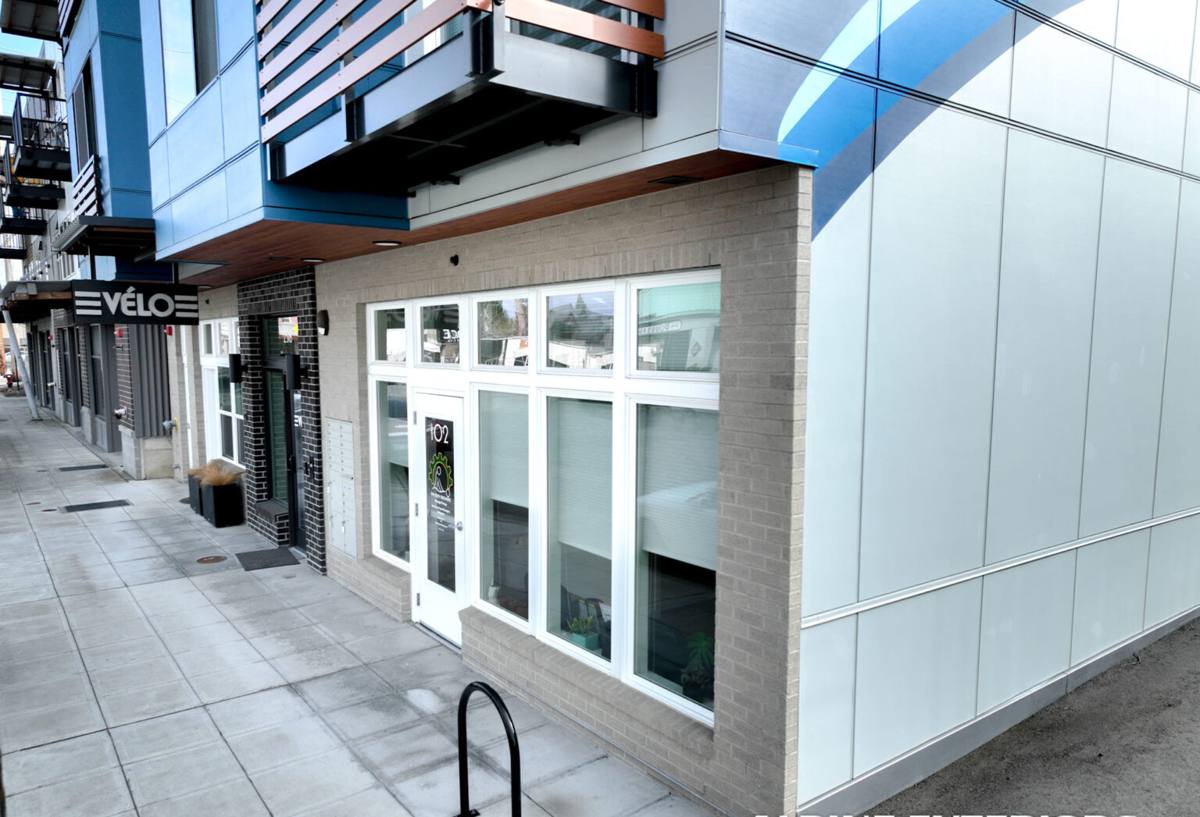
Rosemary District sits just north of downtown Sarasota, and it's one of the more architecturally mixed pockets of the city — older cottages and bungalows standing next to newer townhomes and mixed-use buildings, often on the same block. That mix matters when it comes to windows. A stock window that fits a modern build won't always fit the rough openings, wall depth, or trim profile of an older home, and forcing it in usually shows up later as air leaks, water intrusion, or a window that just looks wrong on the house. Custom windows solve that by being built to the actual opening and the actual style of the home, not the other way around.
We install and replace windows throughout Sarasota and Sarasota County, but we're specifically talking about Rosemary District here because a neighborhood this close to downtown and this architecturally varied deserves more than a one-size answer.
Why the Local Climate Changes What "Good Windows" Means
Sarasota's climate is hard on windows in a few specific ways, and any custom window plan for this area needs to account for all of them, not just one:
- Hurricane-force wind: Windows need to hold up structurally under sustained high wind, not just survive a storm's first gust.
- Wind-borne debris: During storms, wind carries branches, roofing material, and other debris that can breach ordinary glass.
- Wind-driven rain: Rain doesn't just fall here during storms — it gets pushed sideways into window frames, which is where most leaks actually start.
- Year-round intense UV: Florida sun fades interiors, degrades weatherstripping, and stresses vinyl and seals faster than in most other parts of the country.
- Salt air: Even inland from the coast, Sarasota's air carries enough salt content to accelerate corrosion on hardware, fasteners, and lower-grade metal components.
A window that only addresses one or two of these — say, one that's impact-rated but uses cheap hardware that corrodes in three years — isn't really built for this area. Custom windows let us specify glass, frame material, and hardware together so the whole assembly is matched to Sarasota conditions, not just the storm rating on the label.
What "Custom" Actually Means Here
Matching Older Cottage and Bungalow Profiles
Many of the older homes in and around Rosemary District have window openings that predate modern manufacturing standards — different heights, different sightlines, sometimes different wall thicknesses than what a big-box stock window assumes. Custom sizing means we measure the actual opening and build to it, instead of resizing the opening (with framing work, stucco patching, and trim replacement) to fit a stock unit. That keeps the home's original character intact, which matters a lot on these older, character-driven properties.
Working With Newer Construction and Mixed-Use Builds
On newer builds in the neighborhood, the challenge is usually different: larger window packages, taller openings, or non-standard shapes used for architectural effect. These still need to meet the same wind and impact standards as anything else in the area — a large custom picture window has to perform structurally the same as a smaller one, which means the frame reinforcement and glass thickness get engineered for the specific size, not just scaled up from a smaller product.
The Non-Negotiables: Impact Rating, Wind Load, and Water Management
Florida Building Code requires homes in wind-borne debris regions — which includes the Sarasota area — to protect window openings either with impact-rated windows or an approved protective system. For most homeowners doing a window replacement, impact-rated glass built into the window itself is simpler to live with day to day than shutters, since there's nothing to install before a storm.
But impact rating is only part of the picture. A window also has to be engineered for the wind load of its specific size and location on the house (corner windows and larger openings generally see higher loads), and it has to be installed with proper flashing and sealant detailing so wind-driven rain can't work its way in around the frame. We've seen plenty of technically "hurricane-rated" windows that still leak — not because the glass failed, but because the installation around it wasn't done correctly. Product rating and installation quality are both required; neither one alone is enough.
Frame and Glass Materials: What Holds Up in This Environment
Frame material is one of the biggest decisions in a custom window order, and it affects both how the window performs in salt air and UV, and how much upkeep it needs over time.
| Frame Material | Salt Air / UV Performance | Maintenance | Typical Fit |
|---|---|---|---|
| Vinyl | Good UV-stable formulations resist fading and warping; not a corrosion concern since there's no exposed metal | Low — no painting, occasional cleaning | Newer construction, budget-conscious replacements |
| Aluminum | Strong structurally, but hardware and fasteners need corrosion-resistant coatings to hold up to salt air over time | Moderate — watch for corrosion at hardware points | Larger openings, contemporary builds, impact-rated commercial-grade units |
| Fiberglass / composite | Very stable in heat and UV, dimensionally consistent, holds paint well if a specific historic color is needed | Low to moderate | Historic-style homes needing a painted, wood-like appearance without wood's upkeep |
| Wood | Requires the most protection from moisture and UV; can work but needs a disciplined maintenance schedule | High — regular painting/sealing | Strict historic-accuracy projects only |
For glass, a laminated impact-rated pane paired with a low-E coating does double duty: the lamination holds the glass together under impact, and the low-E coating cuts down on UV-driven fading and heat gain inside the home — a real factor given how much direct sun Sarasota gets most of the year.
What Drives Cost on a Custom Window Project
Because every custom window job is priced around the specific home, costs vary more than they would for stock replacement windows. The main factors are worth understanding before you start getting quotes:
| Factor | Why It Matters |
|---|---|
| Opening size and shape | Larger and non-standard shapes require more engineering and glass thickness to meet wind load |
| Frame material chosen | Vinyl, aluminum, fiberglass, and wood carry different material and fabrication costs |
| Glass package | Impact-rated, low-E, and tinted or specialty glass each add cost over basic clear glass |
| Number of openings | Whole-house replacements typically bring a better per-window cost than one-off replacements |
| Existing opening condition | Rot, settling, or out-of-square openings need extra framing repair before a window can go in correctly |
| Trim and finish matching | Matching historic trim profiles or specific paint colors adds labor beyond the window unit itself |
We walk through all of this during the estimate so there aren't surprises once work starts — the goal is a number based on your actual home, not a generic per-window average.
What a Correct Installation Actually Involves
The window product is maybe half the equation. The rest is installation, and it's where most long-term problems either get prevented or created:
- Remove the old window and inspect the framing underneath for rot, moisture damage, or pest issues before anything new goes in.
- Repair or rebuild the opening as needed so it's square, solid, and properly sized for the new unit.
- Install flashing and a weather-resistant barrier around the opening so any water that does reach the frame drains out, not in.
- Set the window plumb, level, and square, and fasten it according to the manufacturer's wind-load-rated schedule — not just "enough screws to hold it."
- Seal and caulk with products rated for exterior, UV-exposed use, and finish trim to match the home's existing look.
- Test operation and check the seal before calling the job done.
Skipping or rushing any of these steps is usually where a "hurricane-rated" window still ends up leaking or failing early — the rating is only as good as the installation behind it.
Signs Your Current Windows Need Attention
Custom replacement isn't always urgent, but a few signs mean it's worth having a window looked at sooner rather than later:
- Fogging or moisture between panes of double-pane glass (a sign the seal has failed)
- Visible daylight or drafts around the frame when the window is closed
- Difficulty opening, closing, or locking a window that used to operate smoothly
- Soft or discolored wood/trim around the window frame, indicating water intrusion
- Chalky, pitted, or corroded hardware and frame surfaces from salt air exposure
- Noticeably higher cooling bills without another clear cause
- Visible frame warping or discoloration from years of direct UV exposure
Permitting and Code in Sarasota County
Window replacement in Sarasota County generally requires a permit, and the installed windows need to meet the wind-borne debris and structural requirements that apply to your specific address and building type. Permit requirements and product approvals can shift between code cycles, so we handle the permitting and make sure the products we install carry the correct Florida product approval for the job — that's part of the work, not something we hand back to the homeowner to sort out.
Why a Crew That Already Works This Neighborhood Matters
A neighborhood like Rosemary District — with its mix of historic-scale cottages and newer infill construction, often on tight lots close to downtown — comes with practical realities that don't show up in a generic estimate: tighter access for equipment and material staging, older framing that needs a careful hand during tear-out, and a real range of architectural styles on nearby blocks that a window replacement should respect rather than clash with. A crew that's already worked jobs in this part of Sarasota has a feel for those realities before the first window is even measured, which tends to mean fewer surprises once work is underway.
If you're weighing custom windows for a home in Rosemary District, we're happy to come take a look, measure what you've actually got, and walk you through honest options for your budget and your home's style. There's no pressure and no cost to get an estimate — just fill out the form below and we'll get in touch.