 Sarasota Siding
 Palmer Ranch Backyards Face a Specific Set of Conditions
Palmer Ranch is one of the larger planned communities in Sarasota County, with a mix of single-family homes, villas, and lake-view lots spread across dozens of neighborhoods. A lot of those backyards are made for outdoor living — pools, lanais, and decks that get used year-round. But a deck built here doesn't face the same conditions as one built in a drier, cooler climate. Intense year-round UV, sudden wind-driven rain, hurricane-force gusts during storm season, and a steady dose of salt-laden air off the Gulf all work against wood, fasteners, and finishes at the same time. A deck that isn't built with that in mind will show it early — graying boards, loose railings, rusted screws, soft spots near ground contact.
This page is specifically about deck building for Palmer Ranch homes — what the climate demands, what a correctly built deck actually involves below the surface, and how we approach the job when we're building here.
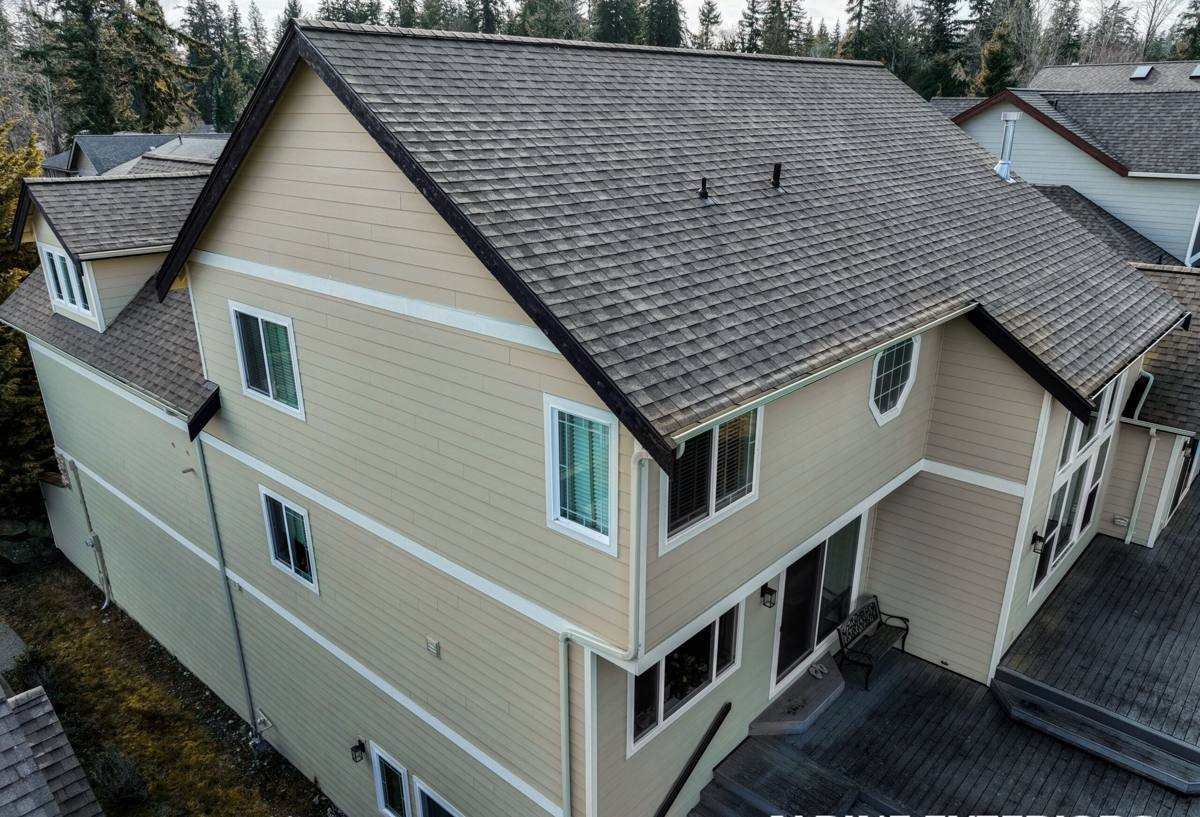
What Sarasota's Climate Does to a Deck Over Time
Sun and Heat
Sarasota gets sun exposure most of the year, and a deck with no shade structure will take the full brunt of it. UV breaks down the lignin in wood fibers, which is what turns untreated or unsealed boards gray and brittle. On composite decking, cheaper formulations can fade or chalk faster than better-engineered products. Dark-colored boards also absorb more heat, which matters for bare feet around a pool deck.
Humidity and Wind-Driven Rain
Afternoon storms are routine here, and they don't always fall straight down — wind pushes rain sideways under roof overlines and lanai screens, soaking areas that a northern builder might assume stay dry. Combined with Florida's humidity, that moisture doesn't evaporate quickly. Wood that stays damp between rain events is what leads to rot at joist ends, ledger boards, and post bases — almost always in spots that are hard to see without pulling a board.
Hurricane-Season Wind Loads
Sarasota County sits in a wind zone where deck framing and railing connections need to hold up to serious uplift and lateral force, not just support foot traffic. A deck that's only built to carry weight — but not braced and fastened against wind — is the kind that fails during a storm, sometimes taking railings or stair sections with it.
Salt Air
Palmer Ranch sits inland from the immediate coastline, but salt-laden air still moves through the area, especially with onshore winds. Salt exposure accelerates corrosion in fasteners, brackets, and hardware. Standard carbon-steel screws or connectors that would be fine in a landlocked climate can start rusting and staining boards within a couple of seasons here.
Choosing the Right Decking Material
There's no single "best" decking material for every Palmer Ranch home — it depends on budget, how much upkeep you're willing to do, and how the deck will be used. Here's an honest comparison of the common options in this climate:
| Material | Typical Lifespan Here | Maintenance | How It Handles Sun, Rain & Salt Air |
|---|---|---|---|
| Pressure-treated pine | 10-15 years | Needs sealing/staining every 1-2 years | Affordable, but UV and moisture cycling cause graying, cupping, and splintering without upkeep |
| Tropical hardwood (ipe, cumaru, etc.) | 20-25+ years | Periodic oiling to maintain color; otherwise low | Naturally dense and rot-resistant, holds up well to humidity, but requires stainless fasteners to avoid staining |
| Capped composite | 20-30 years | Occasional washing; no sealing or staining | Good UV and moisture resistance if it's a quality capped product; uncapped/older composites can fade or absorb moisture |
| PVC decking | 25-30+ years | Lowest maintenance; occasional washing | Doesn't absorb moisture, handles humidity and salt air well; can run hotter underfoot in direct sun |
We'll walk through these trade-offs honestly rather than pushing whatever has the best margin. If a homeowner wants real wood, we build it correctly with the fastening and drainage details that make it last; if low maintenance is the priority, composite or PVC usually makes more sense for a Sarasota backyard.
What's Underneath Matters More Than What's on Top
Decking boards are the part everyone sees, but the framing, fasteners, and footings underneath are what actually determine whether a deck survives a Florida summer and a hurricane season. This is also where corner-cutting is easiest to hide — and where it causes the most damage later.
- Footings: sized and set to local frost-free depth requirements and soil conditions, not just poured to "look deep enough"
- Framing lumber: properly rated pressure-treated lumber for ground contact or above-grade use, matched to where it's actually installed
- Fasteners and connectors: stainless steel or coated hardware rated for coastal/humid exposure — not standard carbon-steel screws that will rust and streak the boards within a year or two
- Ledger attachment: properly flashed and bolted to the house structure, not just lag-screwed against siding, to prevent the water intrusion that causes ledger rot
- Railing and post connections: engineered to resist lateral and uplift wind forces, not just screwed to the rim joist
- Joist protection: flashing tape over joists and beams to keep standing water from soaking directly into end grain
A deck can look identical from a few feet away whether it was built this way or not. The difference shows up in year three or four — or during the next storm.
Permits, Wind Load, and HOA Rules
Deck construction in Sarasota County requires a building permit, and the framing has to meet local wind load requirements — this isn't optional paperwork, it's what determines whether the structure is actually rated to survive the storms that pass through the area. Inspections typically happen at the footing stage and again once the structure is framed, before decking goes down.
Palmer Ranch is made up of numerous individually governed neighborhoods, many with homeowners associations that have their own architectural review process for exterior additions like decks — covering things like material, color, height, or railing style. We handle the county permitting on our end, and we'll flag early on if a project is likely to need HOA sign-off so there are no surprises mid-project.
How We Approach a Deck Build
1. On-Site Assessment
We look at the actual lot — grade, drainage, sun exposure, proximity to the pool or lanai, and how the deck ties into the existing structure — before talking materials or layout.
2. Design and Material Selection
We go over decking material, railing style, and layout options based on how the space will actually be used, with honest trade-offs on cost, maintenance, and longevity for this climate.
3. Permitting
We prepare and submit the permit package to Sarasota County, including the structural details needed to meet local wind load requirements.
4. Framing and Construction
Footings, framing, fastening, and flashing are built to hold up to humidity, wind, and years of sun — not just to pass a quick visual check.
5. Decking, Railing, and Finish
Final surface materials and railings are installed, with attention to fastener placement and drainage so water doesn't pool against the house or posts.
6. Final Walkthrough
We walk the finished deck with the homeowner, covering how the specific materials used should be cared for going forward.
Keeping a Palmer Ranch Deck in Good Shape
Even a well-built deck needs some seasonal attention in this climate. A simple routine goes a long way toward avoiding early repairs:
- Rinse off pollen, salt residue, and debris every few weeks, more often near the coast or under trees
- Check fastener heads periodically for rust staining or backing out, especially after storm season
- Inspect ledger and post base areas for soft spots or discoloration, which can signal trapped moisture
- Clear leaves and debris from between boards so water doesn't sit and hold moisture against the wood
- Reseal or restain wood decking on the schedule appropriate to the product — don't wait until it's already gray and dry
- Trim back landscaping that keeps sections of the deck shaded and damp for long periods
Why a Crew That Already Works in Palmer Ranch Matters
Building a deck that lasts in Sarasota County isn't really about following a generic set of instructions — it's about understanding how sun, humidity, wind, and salt air actually behave in this specific area, and building accordingly from the footings up. A crew that regularly works in Palmer Ranch already knows the county's permitting process, has a feel for how the neighborhoods here are laid out, and has seen firsthand what happens to a deck built with shortcuts once a Florida summer and a storm season have had their way with it.
If you're considering a new deck or replacing one that's showing its age, we're happy to take a look and walk you through the options honestly. Use the form below to request a free, no-pressure estimate.