 Sarasota Siding
 Deck Repair Built for Bradenton's Weather, Not Just Its Boards
A deck in Bradenton takes a different kind of beating than one further inland. Between the intense, near year-round UV exposure, the salt-laden air rolling in off the Gulf and Sarasota Bay, and the sudden wind-driven rain that shows up most afternoons in the warmer months, decks here age faster than homeowners expect. Add in the occasional hurricane-force wind event, and you've got a structure that's constantly being tested — even when it looks fine from the porch door.
Most of the deck repair calls we get in Bradenton aren't about a deck that's failed all at once. They're about a deck that's been quietly failing for a while: a soft spot near a downspout, a rail that wiggles more than it used to, fasteners that have started to bleed rust through the finish. Catching these early is cheaper and safer than waiting for a board to give way underfoot.
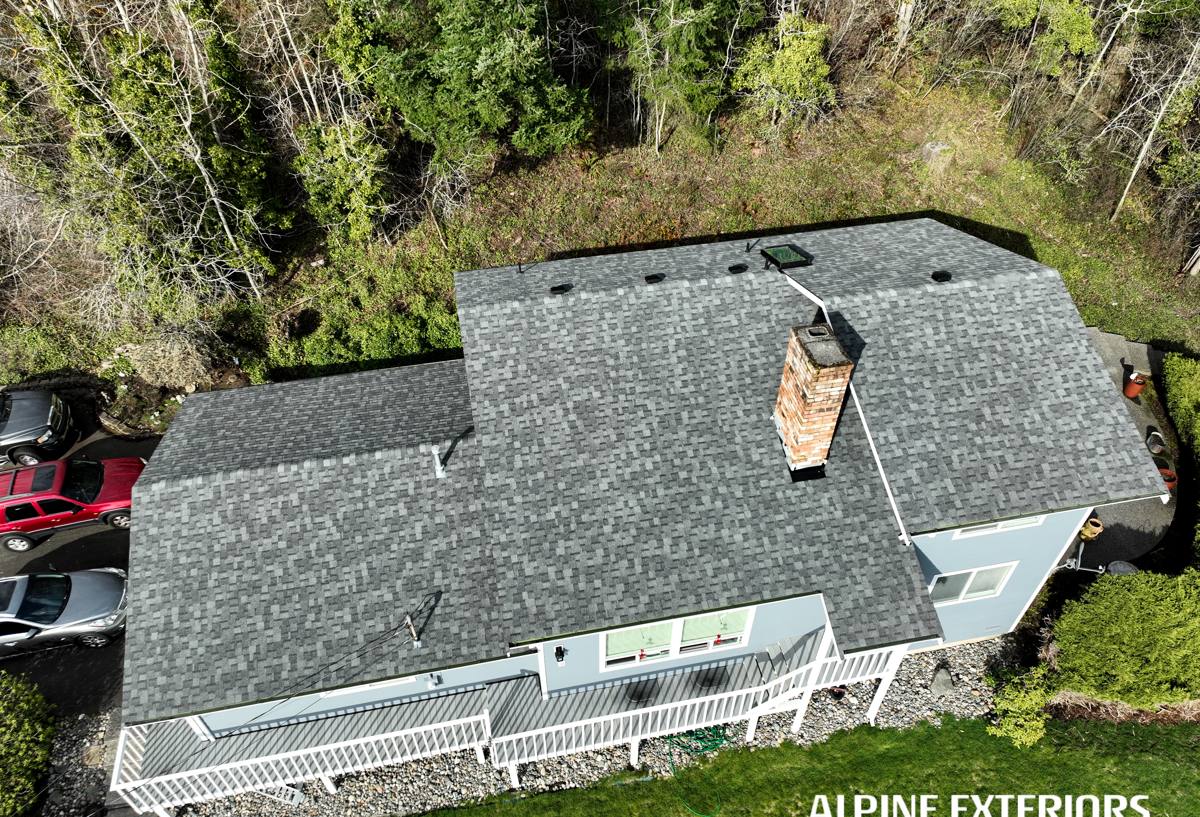
What Bradenton's Climate Actually Does to a Deck
UV and Heat
Sustained sun exposure breaks down the lignin in wood fibers and degrades the UV inhibitors in composite decking over time. On wood decks this shows up as graying, splintering, and surface checking. On composite and PVC boards, it shows up as fading and, on lower-grade products, a chalky surface texture. Fasteners and hardware also expand and contract daily with heat cycling, which gradually loosens screw connections.
Wind-Driven Rain and Humidity
Sarasota County's humidity means wood never fully dries out between rain events. Water works its way into end grain, screw holes, and any spot where flashing or fasteners have failed, feeding rot from the inside where you can't see it. Wind-driven rain also pushes moisture sideways into ledger boards and rim joists — areas that are hard to inspect but critical to the deck's structural integrity.
Salt Air
Even a few miles from the water, salt in the air accelerates corrosion on any exposed metal — screws, joist hangers, bolts, and railing hardware. Once a fastener starts corroding, it loses holding strength long before it looks obviously bad, which is why a deck can feel "mostly fine" right up until it isn't.
Storm Wind Loads
Hurricane-force gusts put real lateral and uplift stress on railings, stair stringers, and ledger connections. A deck that was built to code years ago may have hardware that's since corroded or connections that were never properly flashed, both of which reduce its ability to handle that kind of load.
Signs Your Bradenton Deck Needs Repair, Not Just a Cleaning
- Boards that feel spongy, bouncy, or noticeably flex when you walk across them
- Railings or posts that move side to side when pushed
- Rust staining bleeding out around screws or bolts
- Gaps opening up between boards or where the deck meets the house
- Visible splintering, cupping, or graying that goes beyond surface weathering
- Soft or discolored wood near the ledger board, stairs, or post bases
- A musty smell coming from underneath the deck
- Fasteners that spin freely or have backed partway out
Any one of these on its own might be minor. Several together, especially near the ledger board where the deck attaches to the house, usually means it's time for a proper inspection rather than a quick fix.
What a Correct Deck Repair Actually Involves
A repair that just replaces the board you can see and skips everything underneath tends to fail again within a season or two, especially in this climate. Our approach starts below the surface, not above it.
1. Structural Inspection First
Before we touch a single board, we check the ledger board attachment, joists, beams, and posts for rot, corrosion, or movement. This is the part of the deck doing the actual load-bearing work, and it's the part most likely to be hiding damage under intact-looking decking.
2. Address the Cause, Not Just the Symptom
If a board rotted because water was pooling due to poor drainage or missing flashing, replacing the board without fixing the drainage just resets the clock on the same failure. We look at flashing, gaps for airflow underneath, and how water sheds off the deck surface.
3. Match Materials and Fasteners
Given the salt air here, we use stainless steel or coated fasteners and corrosion-resistant hardware rated for coastal exposure. Mixing incompatible metals (like standard steel hardware with certain treated lumber) accelerates corrosion, so fastener choice matters as much as the board choice.
4. Rebuild Framing to Current Standards
Where ledger connections, joist hangers, or post bases are undersized or corroded, we bring them up to current code rather than just matching what was there before. This matters most for railing posts and stair stringers, which take direct lateral loads during high wind.
5. Finish and Seal Appropriately
Wood repairs get sealed on all cut edges, not just the top surface, since end grain is where moisture intrusion starts. Composite and PVC repairs are matched for color and profile as closely as the original product allows.
Wood vs. Composite: Repair Considerations for This Climate
| Factor | Wood Decking | Composite / PVC Decking |
|---|---|---|
| UV resistance | Grays and checks without regular sealing; needs re-staining every 1-2 years in this sun | Better UV stability, though lower-grade products can fade or chalk over time |
| Moisture behavior | Absorbs water at cut ends and fastener holes; prone to rot if not sealed | Doesn't rot, but can trap moisture at the surface if drainage is poor |
| Repair matching | Easier to source matching lumber; new boards blend after weathering | Color/profile matching can be harder if the original line is discontinued |
| Fastener sensitivity | Moderate — standard coastal-rated fasteners work well | Manufacturer-specific fasteners often required to preserve warranty |
| Typical repair cost | Generally lower material cost per board | Higher material cost, but often fewer repairs needed over time |
Neither option is maintenance-free in a Sarasota County climate. The right call depends on the deck's age, how it was originally built, and what the homeowner wants to manage going forward — we'll walk through the honest trade-offs during the estimate rather than push one material across the board.
Our Deck Repair Process in Bradenton
- On-site assessment — we inspect the full structure, not just the visibly damaged section, including framing, ledger attachment, and drainage
- Written scope and estimate — a clear breakdown of what needs replacing, what's structural versus cosmetic, and honest options at different price points
- Demo of damaged material — removing rotted or corroded sections without disturbing sound structure unnecessarily
- Structural repair — joists, ledger, posts, and hardware brought up to a standard that holds up to coastal wind and moisture exposure
- Decking and rail replacement — matched materials installed with corrosion-resistant fasteners and proper spacing for drainage and expansion
- Final walk-through — we check the repair together before we consider the job done
Why Local Experience in Bradenton Matters
Deck problems here aren't generic — they're shaped by this specific stretch of Gulf Coast. A crew that mostly works inland climates may not think twice about fastener corrosion or salt exposure, and may spec materials that hold up fine in Ohio but fail early a few miles from Sarasota Bay. We work in Bradenton and the surrounding Sarasota County area regularly, so we're familiar with the drainage patterns, framing habits, and common failure points on decks built in this region over the past few decades.
We also know what local permitting and inspection typically expects for structural deck repairs, which matters when the work involves ledger connections, railings, or stair replacement rather than a simple board swap.
What Repairs Typically Cost
Costs vary a lot depending on scope, so we won't pretend there's one number that fits every deck. In general terms:
- Board or rail-only replacement, sound framing underneath: on the lower end
- Framing or ledger repair combined with decking replacement: moderate range
- Full structural rebuild of posts, beams, and framing with new decking: higher end
The only way to get an accurate number is a look at the actual deck — a photo or phone estimate can't tell us what's happening at the ledger board or under the surface, which is usually where the real cost drivers are.
If your deck has a soft spot, a wobbly rail, or you just haven't had it looked at in a while, we're happy to come take a look. Fill out the form below for a free, no-pressure estimate — we'll tell you honestly what needs fixing and what can wait.