 Sarasota Siding
 What Downtown Sarasota's Climate Does to Siding
Siding on a Downtown Sarasota home works harder than siding almost anywhere inland. Hurricane-force winds off the Gulf can pry loose panels, snap fasteners, and drive rain sideways into joints that were never designed to take water head-on. Between storms, the same intense, year-round Florida UV that keeps our winters mild also bakes paint films, dries out caulk, and breaks down lesser siding materials from the outside in. Add the salt air that drifts in from the bay and it corrodes exposed metal fasteners and trim faster than you'd see in a landlocked city, even a few miles inland.
Downtown Sarasota's mix of older bungalow-style homes and newer infill construction means we see siding in every condition, from decades-old wood lap that's been patched repeatedly to newer engineered products already showing early failure. Whatever's on the wall, the underlying stress is the same: wind, UV, wind-driven rain, and salt air, working on it every single day.
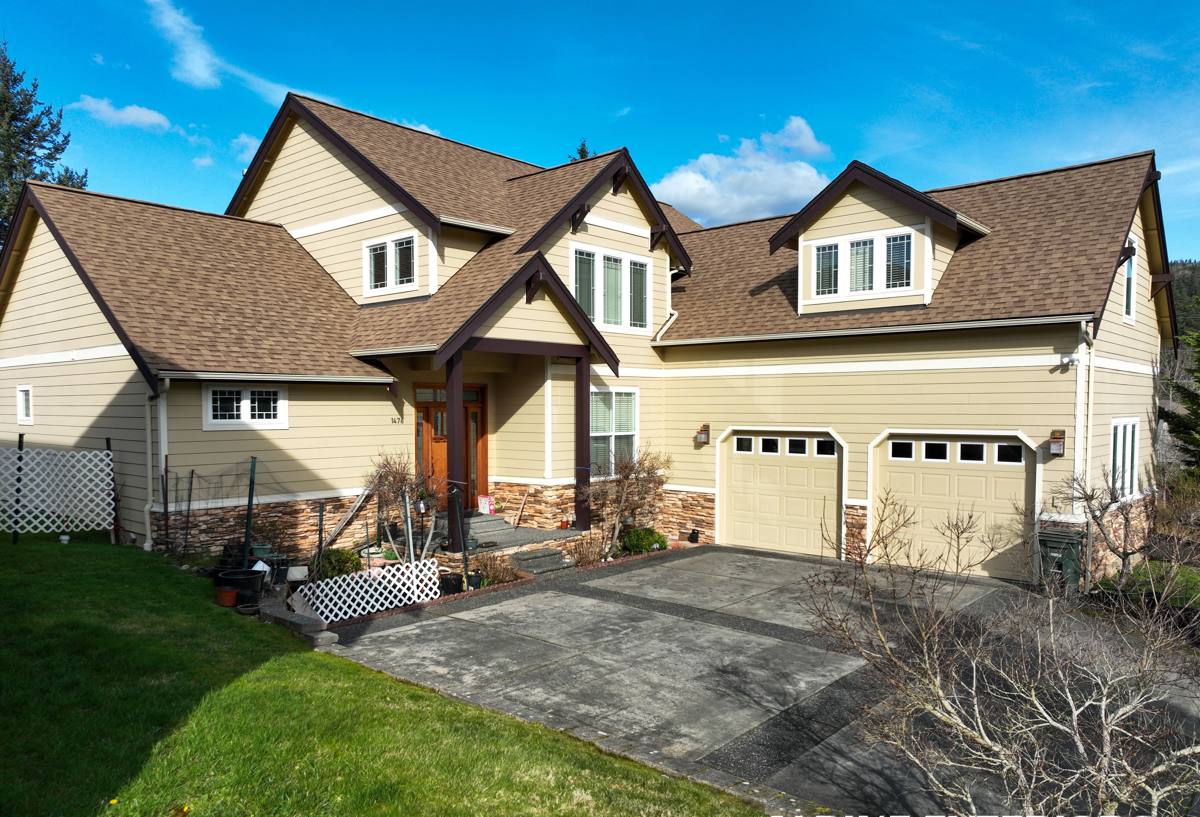
Signs Your Downtown Sarasota Home Needs Siding Repair
Most siding problems don't announce themselves with a hole in the wall. They start small and, if ignored, turn into moisture damage that costs far more to fix. Here's what we look for, and what you should too.
- Cracked, split, or visibly warped siding panels or boards
- Soft or spongy spots when you press on the siding near the bottom of walls or under windows
- Paint that's peeling, bubbling, or failing in patches rather than evenly across a wall
- Gaps that have opened up at seams, corners, or where siding meets trim
- Panels that have come loose or shifted after a windstorm
- Dark streaking, staining, or a musty smell near exterior walls on the inside of the home
- Visible corrosion or rust bleeding from fastener heads
Any one of these on its own might be minor. Several together, especially near the same section of wall, usually means water has already found a way behind the siding.
Why Small Damage Doesn't Stay Small Here
In a drier climate, a small crack or gap might sit for years without causing real harm. In Sarasota, wind-driven rain during a summer storm can push water through even a hairline opening, and our humidity means whatever gets behind the siding doesn't dry out quickly. That's the difference between a same-day repair and a job that involves replacing rotted sheathing.
What a Correct Siding Repair Actually Involves
A repair that just covers the visible damage without checking what's happening behind it is a repair that fails again. Our process starts with figuring out how far the problem actually goes before we touch a single panel.
Checking Behind the Siding, Not Just the Surface
We inspect the area with a moisture meter and, where damage is significant, pull back enough siding to see the condition of the house wrap and sheathing underneath. If water has been getting in for a while, the fix isn't a patch, it's drying out and, if necessary, replacing the substrate before any new siding goes back on. Skipping this step is the single most common reason siding repairs don't hold up.
Matching Material, Fasteners, and Flashing
Once we know the scope, the repair itself needs to match the existing siding in profile, exposure, and finish as closely as possible, use corrosion-resistant fasteners suited to a salt-air environment, and restore proper flashing and drainage at windows, doors, and butt joints. A repair that looks fine but ignores flashing details is just delaying the next failure.
Siding Materials We Find on Downtown Sarasota Homes
We repair whatever's already on your house, but what we recommend for the repaired section, or for a full replacement, depends on how that material actually performs in our climate.
| Material | Common Issues We See Here | Our Approach |
|---|---|---|
| Wood lap siding | Rot at butt joints, insect damage, repeated paint failure from UV | Repair sound sections; recommend Hardie replacement where rot is widespread |
| Vinyl siding | Cracking and brittleness from UV, panels torn loose in high wind | Replace damaged panels where matches exist; discuss Hardie for storm-prone walls |
| LP SmartSide (engineered wood) | Edge swelling and delamination where moisture gets into the substrate | Address the moisture source first; we install James Hardie, not LP, for any full section replacement |
| James Hardie fiber cement | Occasional impact damage or caulking failure at joints; the siding itself holds up well | Straightforward panel or board replacement with ColorPlus-matched material |
Our Repair Process, Start to Finish
- On-site inspection of the damaged area and a check of the surrounding siding for related issues
- Moisture testing and, if needed, opening up the wall to assess sheathing and framing condition
- A written scope and estimate that spells out exactly what's being repaired and why
- Sourcing matching siding material, fasteners, and trim before work begins
- Removing damaged material, correcting any moisture or flashing issues found underneath
- Installing and finishing the repair to match the surrounding siding as closely as possible
- A final walkthrough so you can see and approve the completed work
Repair or Replace? How We Help You Decide
Not every damaged section needs a full re-side, and not every repair is worth doing on siding that's already at the end of its life. We walk you through the honest tradeoffs rather than defaulting to the bigger job.
| Factor | Leans Toward Repair | Leans Toward Replacement |
|---|---|---|
| Extent of damage | Isolated to one or two sections | Spread across multiple walls |
| Age and condition of existing siding | Under 10-15 years, otherwise sound | Original siding is decades old or already failing elsewhere |
| Moisture found behind siding | None or minor, easily dried and sealed | Rotted sheathing or long-term water intrusion |
| Material match availability | Close match can be sourced | Discontinued product, visible mismatch likely |
| Plans for the home | Staying long-term, budget-focused | Preparing to sell or wanting a full climate upgrade |
Why We Patch and Rebuild With James Hardie
When a repair calls for new siding material, whether it's a single damaged board or a full wall section, we install James Hardie fiber cement. It's the only siding product we put on homes, and there's a reason for that. Hardie's HZ5 product line is engineered for high-wind, high-moisture climates like the Gulf Coast, which matters directly for a house in Sarasota County facing hurricane-force gusts and wind-driven rain every storm season. It's non-combustible, resists moisture-driven swelling and delamination far better than wood-based alternatives, and the factory-applied ColorPlus finish holds its color under intense Florida UV longer than field-applied paint.
That matters for repairs specifically because a patch is only as good as how well it blends in and how long it lasts compared to the rest of the wall. Hardie's consistent manufacturing and wide color range make matching an existing installation more realistic, and its documented performance in coastal, high-wind conditions means a repaired section isn't the first place to fail again next storm season.
Why Hiring a Crew That Already Works Downtown Sarasota Matters
Siding repair looks straightforward from the street, but the details that make it last are local. A crew that regularly works Downtown Sarasota knows the failure patterns common to this area's mix of older and newer homes, understands the wind and moisture exposure that comes with being close to the bay, and is familiar with Sarasota's permitting and coastal building requirements so your repair is done to code, not just patched over.
There's also a practical side: after a major storm, demand for siding repair spikes across the whole county. A local crew that already knows the area can respond faster and isn't learning the region's climate demands on your project.
Caring for Your Siding Between Repairs
A little regular attention keeps small issues from becoming repair calls in the first place. Rinse salt film and grime off your siding periodically, especially on walls facing open water or prevailing wind. Check and refresh caulking at joints and trim before it dries out and cracks under the sun. Keep vegetation trimmed back so leaves and moisture don't sit against the wall, and after any significant windstorm, take a walk around the house to look for loosened panels, new cracks, or gaps before the next rain finds them.
If you're noticing any of the warning signs above, or just want a professional set of eyes on your siding before the next storm season, we're happy to take a look. Request a free, no-pressure estimate using the form below and we'll walk your property with you and give you a straight answer on what it needs.