 Sarasota Siding
 Longboat Key Is a Different Climate Than "Sarasota"
Longboat Key sits on a narrow barrier island between the Gulf of Mexico and Sarasota Bay, and that location changes what a home's exterior has to survive compared to a house a few miles inland. Salt-laden air moves across the island constantly, not just during storms. Sun exposure is nearly year-round and intense, with reflected glare off the water adding to the UV load on west- and Gulf-facing walls. And because there's no inland buffer, wind-driven rain during tropical systems and even ordinary summer squalls hits Longboat Key siding harder and more directly than it hits siding a few miles away on the mainland.
None of this is exotic knowledge to anyone who's lived on the Key for a while, but it matters a great deal when you're choosing an exterior product and a crew to install it. A siding system that performs fine in a typical Sarasota County subdivision can fail years early on a Gulf-front or bay-front lot if it wasn't chosen and installed with island conditions in mind.
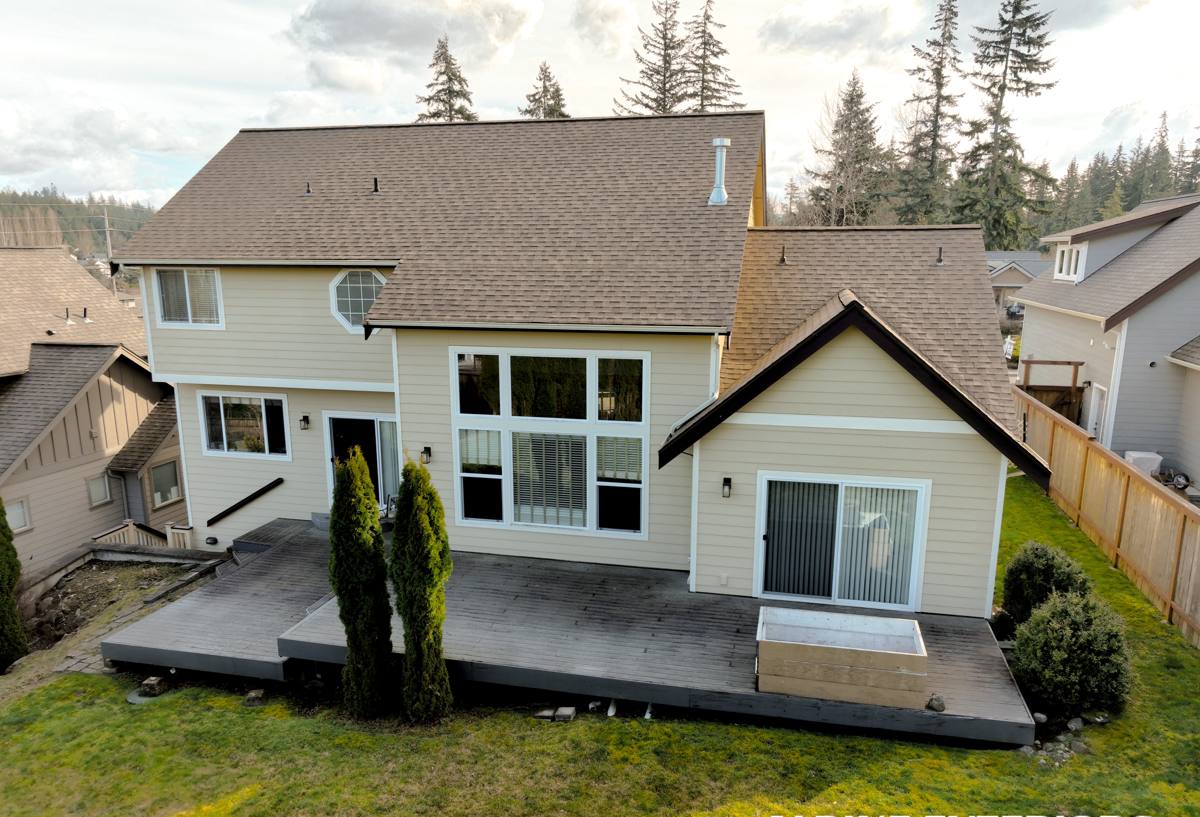
What Longboat Key Homes Actually Need From Their Siding
Salt Air and Corrosion
Airborne salt accelerates corrosion of metal fasteners, trim, and flashing, and it can degrade the surface of materials that aren't formulated to resist it. Over time, salt exposure is one of the more common reasons exterior finishes on barrier island homes chalk, pit, or fail early.
UV Exposure
Constant sun bleaches and breaks down paint film faster than in shadier, inland settings. Siding that relies on a field-applied paint job for its color will typically need repainting sooner on Longboat Key than the same product would inland.
Wind-Driven Rain
Longboat Key homes face wind-driven rain that pushes water sideways and upward against wall assemblies, not just straight down. That means flashing details, water-resistive barriers, and drainage planes behind the siding matter as much as the siding material itself.
Hurricane-Force Wind Loads
Coastal Sarasota County is subject to higher wind design pressures than inland zones under the Florida Building Code. Siding, fasteners, and the underlying wall assembly all need to be installed to hold up under sustained high wind and wind-borne debris risk, not just look good on a calm day.
Why We Only Install James Hardie on Longboat Key Homes
We've made a standing decision as a company to install James Hardie fiber cement siding exclusively — not vinyl, not LP SmartSide, not Cemplank, not Allura, not primed wood. That's not a marketing position; it's a practical one, shaped by watching how different products actually hold up in this exact coastal environment over years, not just at installation.
Vinyl siding can warp and become brittle with prolonged intense UV exposure, and in high wind events it has a lower wind resistance ceiling than fiber cement when both are installed correctly. Engineered wood products like LP SmartSide use wood strand cores that are more sensitive to sustained moisture exposure than fiber cement, which matters in a climate with high humidity, salt moisture, and frequent wind-driven rain. Other fiber cement brands compete reasonably on the core material, but James Hardie is the brand we've standardized on for its factory-applied ColorPlus finish, its climate-engineered HZ product designations, and the depth of its installed track record along the Gulf Coast.
None of this means other products can't be installed correctly by someone — it means we made a call about what we're willing to put our name behind on Longboat Key homes specifically, where the climate gives a product little room for error.
The James Hardie Product Lines That Make Sense Here
James Hardie engineers its siding in climate-specific formulations, and for Longboat Key we spec HZ5 products, which are formulated for the more humid, higher-moisture Gulf Coast climate zone. Within that, the right product depends on the home's style and exposure.
| Product | Best Fit For | Why It Works on Longboat Key |
|---|---|---|
| HardiePlank Lap Siding | Most single-family homes | Traditional horizontal profile, factory ColorPlus finish resists salt-air fading and doesn't require field painting for years |
| HardiePanel Vertical Siding | Coastal/modern elevations, accent walls | Clean vertical lines common on Gulf-front architecture, same HZ5 moisture engineering |
| HardieTrim Boards | Corners, fascia, window/door trim | Matches the siding's density and finish so trim doesn't weather at a different rate than the field |
| HardieSoffit Panels | Eaves and overhangs | Pre-finished, moisture- and pest-resistant in a zone with high humidity |
ColorPlus factory finish matters more on Longboat Key than in most inland markets. It's baked on and warranted separately from the substrate, and it's formulated to hold color under sustained UV exposure better than a field-applied coat of paint — which is a real advantage on west- and Gulf-facing walls that take direct sun most of the day.
Where We Draw the Line on Vinyl, LP SmartSide, and Other Fiber Cement Brands
We get asked why we won't quote vinyl or other siding brands for Longboat Key jobs even when a homeowner asks for them. The honest answer is that we don't think those products give a barrier island home the margin of durability it needs, and we'd rather turn down work than install something we don't stand behind in this environment. If a homeowner wants a different product, we're glad to discuss the trade-offs honestly — but we won't be the crew installing it.
What a Correct Installation Involves
Fiber cement siding is only as good as the assembly it's installed into. On Longboat Key, a handful of details separate a job that lasts decades from one that fails early:
- Corrosion-resistant fasteners — stainless steel or hot-dip galvanized nails/screws rated for coastal exposure, not standard electro-galvanized fasteners that corrode faster in salt air
- Proper water-resistive barrier and drainage plane — a code-compliant WRB with a drainage gap behind the siding so any moisture that gets past the cladding can drain and dry out rather than sit against the wall sheathing
- Correct flashing at every penetration — windows, doors, hose bibs, vents, and any wall penetration need integrated flashing, not just caulk, especially given wind-driven rain
- Manufacturer-specified clearances — proper gaps at grade, roof lines, and decks so the siding isn't wicking moisture from standing water or trapped debris
- Correct nailing pattern and fastener spacing — matched to the wind pressure rating required for the home's specific location and exposure category
- Caulking and sealants rated for exterior, UV, and salt exposure at butt joints and trim intersections
Skipping or shortcutting any one of these is usually invisible at install and becomes a problem years later — which is exactly the kind of failure that's expensive and disruptive to fix after the fact on an occupied home.
Permitting and Wind Design on Longboat Key
Longboat Key straddles Sarasota and Manatee counties, and depending on which side of the Key a home sits on, permitting runs through the Town of Longboat Key building department or the applicable county. Coastal Sarasota County carries higher wind design pressures under the Florida Building Code than inland zones, and siding materials and fastening schedules need to meet the wind pressure rating required for the home's specific exposure. Many Longboat Key communities also have HOA or architectural review requirements for exterior changes, including siding color and profile. We pull the required permits and build the fastening schedule to the wind pressures that apply to the home's location, and we can work with HOA submittal requirements as part of the process rather than leaving that step to the homeowner.
Our Process for a Longboat Key Siding Job
- On-site assessment — we look at current siding condition, wall assembly, moisture issues, and sun/wind exposure specific to the home's position on the island
- Product and color selection — HZ5 James Hardie products and ColorPlus finish options suited to the home's style and any HOA requirements
- Written estimate — scope, product lines, and a clear cost breakdown before any work starts
- Permitting — we handle the permit application with the applicable jurisdiction and any required wind-load documentation
- Removal and wall prep — existing siding removed, wall sheathing inspected and repaired as needed, WRB and drainage plane installed correctly
- Installation — siding, trim, and soffit installed to manufacturer spec and the required fastening schedule
- Final walkthrough — we review the finished job with the homeowner before closing out the permit
Cost Factors for Longboat Key Fiber Cement Siding
| Factor | Why It Moves the Price |
|---|---|
| Home size and wall complexity | More square footage, corners, and roof lines mean more material and labor |
| Existing siding removal and wall condition | Salt-air and moisture damage sometimes means sheathing repair before new siding goes on |
| Product line and finish | Lap vs. panel profiles and trim upgrades affect material cost |
| Access and site conditions | Waterfront lots, seawalls, and tight island lots can affect equipment access and staging |
| Wind design requirements | Fastening schedules driven by the home's specific wind exposure can affect labor and fastener specs |
| HOA or architectural review requirements | Some communities require specific colors, profiles, or submittal processes that add lead time |
We don't publish fixed pricing because every one of these factors changes the real number, but we'll walk through them plainly during the estimate so there are no surprises.
What to Ask Before Hiring Anyone for Longboat Key Siding
- Do they have experience specifically with barrier island or coastal Gulf-front homes, not just siding in general?
- Will they confirm the wind pressure rating and fastening schedule required for this home's exact location?
- What fastener material are they using, and is it rated for salt-air exposure?
- Do they include a proper drainage plane and flashing detail, or just swap old siding for new over the existing wall?
- Are they pulling the correct permit with the applicable jurisdiction — Town of Longboat Key, Sarasota County, or Manatee County?
- Can they work with the property's HOA or architectural review process if one applies?
- What warranty applies to both the product and the labor, and is it transferable if the home sells?
Maintenance After Installation
Correctly installed James Hardie siding with ColorPlus finish needs relatively little upkeep, but a salt-air environment still calls for some routine attention: periodic rinsing to clear salt residue and airborne grime, prompt attention to any caulking that shows signs of separating at trim joints, and a visual check after major storms for any impact damage or loosened trim. None of this is heavy maintenance — it's the kind of routine care that lets a coastal-engineered product actually reach its expected service life on a barrier island.
If you own a home on Longboat Key and want a straight assessment of your current siding or a plan for a replacement that's actually built for this island's conditions, we're happy to take a look and put together a free, no-pressure estimate — just fill out the form below.