 Sarasota Siding
 Metal Roofing Built for Fruitville's Climate, Not a Generic Spec Sheet
Fruitville sits inland from the Gulf but still takes the full brunt of what Sarasota County weather delivers: long stretches of intense UV, humid summers that never really let a roof dry out, wind-driven rain during afternoon storms, and the outer wind bands of tropical systems that move through the region most years. Add in the salt air that carries well past the immediate coastline on any onshore breeze, and you have a set of conditions that will find every weak point in a roofing system within a few seasons. Metal roofing, installed correctly, holds up to that combination better than almost anything else on the market. Installed incorrectly, it fails in the exact same ways any other roof does — just louder, because a metal roof problem is usually a fastener, flashing, or seam problem, and those are visible the day they start leaking.
This page is about metal roofing specifically for homes in Fruitville — what the climate demands, what a correct installation actually involves, and how we approach the job when we're working in this part of Sarasota County.
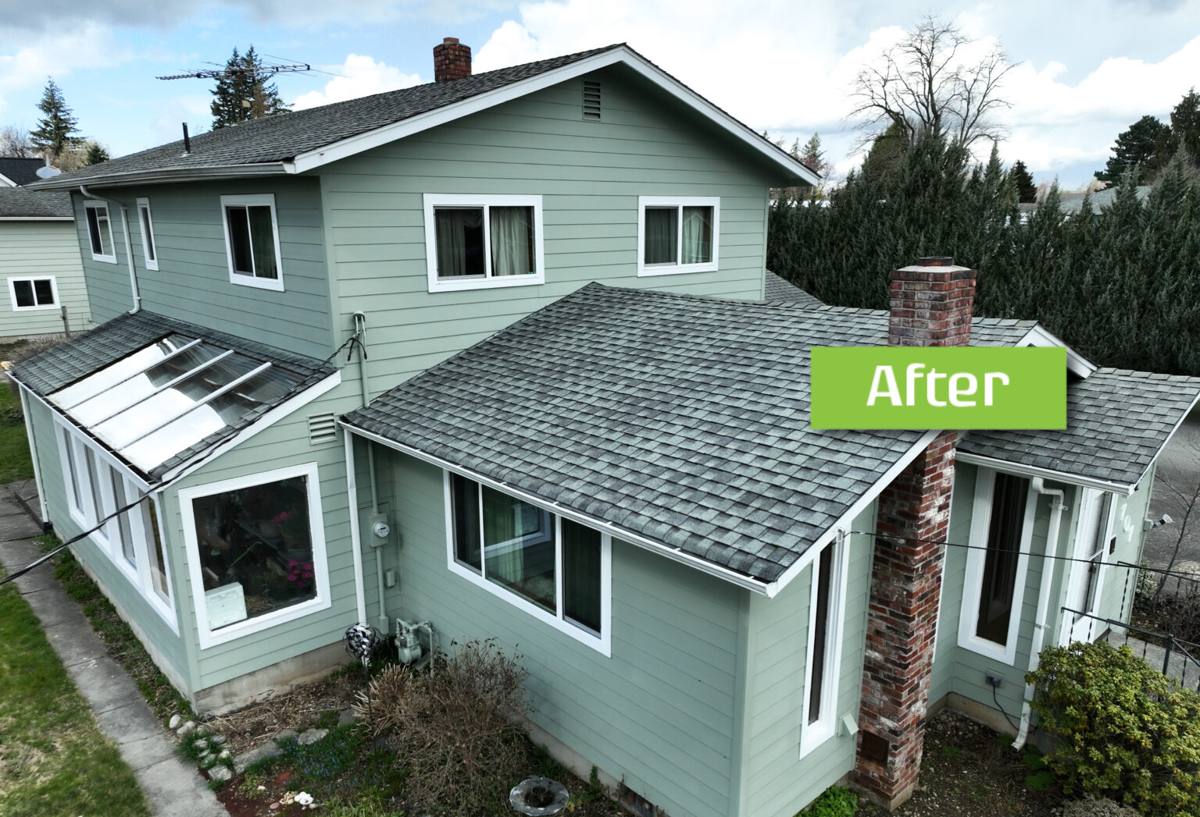
What Fruitville Homes Are Actually Up Against
A few climate realities shape every decision we make on a Fruitville metal roof:
- UV load: Central Florida sun degrades paint finishes, sealants, and exposed fasteners faster than in most of the country. Coating quality matters more here than it does further north.
- Humidity and condensation: Without proper ventilation and underlayment, moisture gets trapped under metal panels and causes corrosion from the underside — the side you can't see until it's a real problem.
- Wind-driven rain: Sarasota County storms don't just drop rain straight down. Wind pushes water sideways and upward under panel edges, laps, and around penetrations, which is why flashing detail work matters as much as the panels themselves.
- Hurricane-force wind events: Uplift at eaves, ridges, and rakes is where most storm-related roof failures start. Fastening pattern and clip spacing are what stand between a roof that survives a named storm and one that doesn't.
- Salt air: Even homes not directly on the water get airborne salt. It accelerates corrosion on fasteners, flashing, and any exposed steel that isn't properly coated or is the wrong metal for the environment.
None of this is unique to Fruitville, but it's the reality of Sarasota County generally, and it's why we treat metal roofing here as a system that has to be engineered for the site — not a product installed the same way everywhere.
What a Correct Metal Roof Installation Involves
Deck Inspection and Prep
Metal roofing is only as good as what it's fastened to. Before any panel goes down, we check the decking for soft spots, water damage, and proper thickness. Skipping this step is one of the most common shortcuts in the industry, and it's the reason some metal roofs fail years before they should — the panels held up fine, but the deck underneath didn't.
Underlayment and Ventilation
In a humid climate, the underlayment layer is doing more work than most homeowners realize. A high-temperature, self-adhered underlayment at eaves, valleys, and penetrations protects against wind-driven rain intrusion, and proper ridge and soffit ventilation keeps moisture from condensing under the panels. We size and place ventilation based on the actual roof geometry, not a one-size-fits-all rule.
Panel Profile and Fastening Method
The two broad categories are standing seam (concealed fasteners, panels interlock) and exposed-fastener panels (screws through the panel face). Each has a place depending on budget, roof pitch, and how the home is going to be lived in and maintained. We'll walk through the honest tradeoffs during the estimate rather than defaulting to whichever is easiest to install.
Flashing and Penetrations
Valleys, wall-to-roof transitions, chimneys, vent stacks, and skylights are where the overwhelming majority of roof leaks originate — on any roofing material, not just metal. Correct step flashing, counter-flashing, and sealant selection at these points is what separates a roof that performs for decades from one that needs repeated patch-up calls.
Fastener and Trim Material
Fasteners and trim need to be compatible with the panel metal to avoid galvanic corrosion, and rated for coastal/salt-air exposure. Using mismatched or under-rated hardware to save a few dollars is exactly the kind of shortcut that shows up as rust streaks and failed seals within a few years — we don't do it.
Comparing Metal Roofing Options
| Panel Type | Fastening | Typical Lifespan | Best Fit |
|---|---|---|---|
| Standing Seam | Concealed clips, no exposed screws on the field | 40-70 years | Homeowners who want the lowest long-term maintenance and the cleanest appearance |
| Exposed-Fastener Panel | Screws through panel face with rubber-washer seals | 25-40 years | Budget-conscious projects; requires periodic fastener inspection as seals age |
| Metal Shingle/Shake | Interlocking panels resembling shingle or tile profiles | 30-50 years | Homeowners who want a metal roof's durability with a more traditional look |
We don't push one option on every job. Roof pitch, budget, HOA or neighborhood aesthetic expectations, and how long the homeowner plans to stay in the house all factor into which panel type makes sense.
Wind Rating, Code, and Insurance in Sarasota County
Sarasota County enforces the Florida Building Code, which sets minimum wind-uplift and fastening requirements for roofing systems — and those requirements are not optional or negotiable on our end regardless of what a homeowner requests to save money. Permits and inspections exist for a reason: they're the paper trail that confirms the roof was actually built to withstand the wind loads this region sees. That paper trail also matters for insurance. Many carriers offer premium credits for wind-rated metal roofing systems, and a documented, permitted installation is often required to claim them or to support a claim after a storm. We handle the permitting and can provide the documentation homeowners need for their insurance carrier.
Our Process, Start to Finish
- On-site inspection of the existing roof, deck condition, and any problem areas (chimneys, valleys, additions)
- Written estimate covering panel type, underlayment, ventilation, flashing scope, and permit costs
- Permit pulled with Sarasota County before any work begins
- Tear-off and deck repair as needed, with damaged decking replaced rather than covered over
- Underlayment, flashing, and panel installation per the fastening pattern specified for the wind zone
- Final walkthrough with the homeowner and county inspection sign-off
- Site cleanup, including magnetic sweep for stray fasteners and debris removal
We keep homeowners informed at each stage — no disappearing for days at a time and no surprise change orders for work that should have been scoped up front.
Maintenance That Actually Matters Here
A well-installed metal roof in Fruitville needs less maintenance than most materials, but "less" isn't "none." A quick annual check should cover:
- Fastener condition on exposed-fastener panels — washers and seals degrade under UV exposure over time
- Sealant at flashing points, chimneys, and penetrations, especially after a hard storm season
- Gutter and valley areas clear of debris so water has a clean path off the roof
- Any scuffed or scratched paint touched up promptly to prevent corrosion from starting at bare metal
- General visual check after any major wind event for lifted panels or loosened trim
Most of this is a homeowner-level visual check, not a service call — but if something looks off, it's worth getting a professional look before a small issue becomes a leak.
Why a Crew That Already Works Fruitville Matters
Roofing companies that work all over the state, or that fly in crews for a single job, don't carry the same working knowledge of local permitting, inspection expectations, and the specific weather exposure a Fruitville home deals with year to year. A crew that regularly works in and around Sarasota County knows the county's permitting process, has relationships with local suppliers for the panel profiles and coatings that hold up here, and understands how a roof installed on a Fruitville home in July needs to be sequenced and protected differently than one going up in a drier climate. That local familiarity shows up in fewer surprises during the permit process and a roof that's specified correctly for the wind zone the first time.
What Drives the Cost of a Metal Roof
| Factor | Why It Matters |
|---|---|
| Panel type | Standing seam costs more upfront than exposed-fastener panels but requires less long-term maintenance |
| Roof complexity | Valleys, dormers, and multiple roof planes increase flashing work and labor time |
| Deck condition | Rotted or undersized decking found during tear-off adds repair cost but isn't optional to fix |
| Ventilation upgrades | Adding or correcting ridge/soffit ventilation improves long-term performance in a humid climate |
| Coating/finish grade | Higher-grade paint systems resist UV fading and coastal corrosion longer |
We give homeowners a written, itemized estimate so it's clear what's driving the price — not a single lump number with no explanation behind it.
Get a Straight Answer on Your Fruitville Roof
If you're weighing metal roofing for a home in Fruitville, we're glad to come take a look, answer questions honestly, and give you a written estimate with no pressure to sign anything on the spot. Use the form below to request a free estimate.