 Sarasota Siding
 Storm Damage Roof Repair Built for Downtown Sarasota Homes
Downtown Sarasota sits close enough to the bay and the Gulf that every storm season brings the same combination of threats: hurricane-force wind gusts, wind-driven rain that finds its way in sideways, and the kind of intense, near-constant Florida UV that ages roofing materials faster than almost anywhere else in the country. Add in salt air drifting off the water and you have a climate that is genuinely tough on roofs, no matter how well they were installed originally. When a storm passes through and leaves damage behind, homeowners in this part of Sarasota County need a repair that accounts for all of that, not just a patch that gets them through until the next system rolls in.
This page covers what storm damage roof repair actually involves for homes in and around Downtown Sarasota, what a correct repair looks like, and why working with a crew that already knows this specific area matters when your roof is compromised.
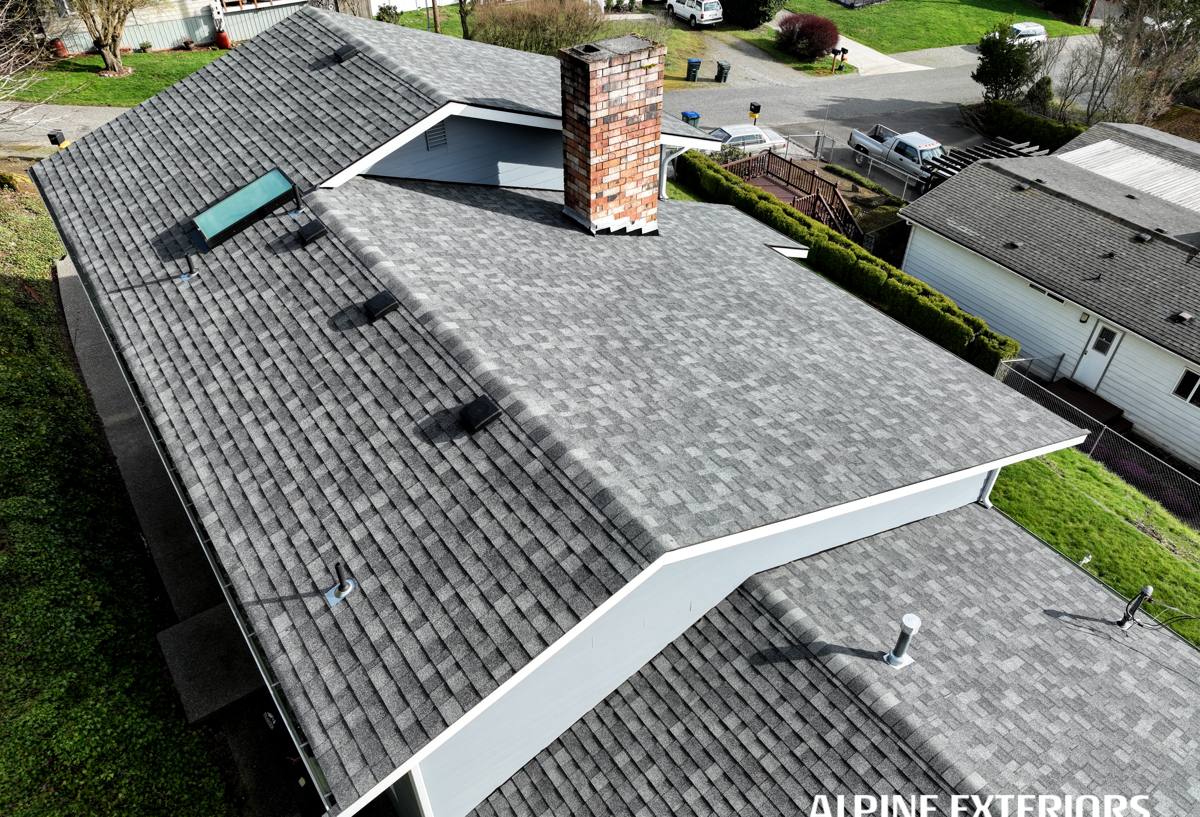
Why Downtown Sarasota Roofs Take a Different Kind of Beating
Roofs here don't fail the same way roofs do in drier, inland climates. A few things make this area distinct:
- Wind-driven rain intrusion: During tropical storms and hurricanes, rain doesn't just fall on a roof, it gets pushed sideways and upward under shingles, tiles, and flashing at wind speeds that overwhelm standard water-shedding design.
- UV degradation: Sarasota's sun exposure is intense and nearly year-round. Roofing materials, sealants, and underlayment break down faster here than in most of the country, which means a roof that looks fine on the surface may already have brittle, cracked components underneath.
- Salt air corrosion: Proximity to the water means metal fasteners, flashing, vents, and other exposed hardware corrode faster than inland installations. Corroded fasteners are a common hidden cause of leaks that show up after a storm even though the visible roofing material looks intact.
- Older housing stock downtown: Many homes in and near Downtown Sarasota were built decades ago and have been re-roofed at least once. Layers of past repairs, mismatched materials, and aging decking are common and change how a storm repair needs to be approached.
None of this means a roof in this area is doomed to fail. It means storm damage repair has to be diagnosed and executed with these local stressors in mind, not treated as a generic patch job.
What Storm Damage Actually Looks Like
Storm damage isn't always obvious from the ground. Some of it is dramatic and some of it is easy to miss until it turns into an interior leak weeks later. Common categories we see after wind and rain events include:
Visible, Immediate Damage
- Missing, cracked, or lifted shingles or tiles
- Torn or peeled-back flashing around chimneys, vents, and roof-to-wall transitions
- Debris impact damage from tree limbs or wind-carried objects
- Exposed underlayment or decking where covering material blew off
Hidden or Delayed Damage
- Wind-driven rain that got up under intact-looking shingles or tiles and soaked the underlayment
- Loosened fasteners that no longer hold material securely, even if nothing appears missing
- Compromised seals around penetrations (pipe boots, vents, skylights) that let water in slowly
- Water staining in the attic or on interior ceilings that shows up days or weeks after the storm
This is why we always recommend a full roof assessment after any significant wind or rain event, even if the roof looks okay from the street. In a climate like Sarasota's, the damage you can't see is often the damage that costs the most if it's left alone.
What a Correct Storm Damage Repair Involves
A repair that's built to hold up through the next storm season, not just cosmetically patched, generally follows this sequence:
1. Full Roof Inspection, Not Just a Spot Check
We look at the entire roof system, not just the area that's obviously damaged. Wind and rain damage rarely stays confined to one spot, and a repair that ignores the surrounding area often fails again in the next storm.
2. Attic and Interior Check
Where accessible, we check the attic and interior ceiling areas below the damaged section for signs of water intrusion, staining, or saturated insulation. This tells us whether the damage is purely surface-level or has already reached the decking and interior.
3. Decking Assessment
If water has been getting in, the roof decking underneath may be soft, delaminated, or rotted. Repairing over compromised decking is one of the most common shortcuts that leads to repeat failures, so this step doesn't get skipped.
4. Matching Repair to Existing Roofing Material
Whether the roof is shingle, tile, or metal, the repair needs to integrate properly with the surrounding material, including proper flashing, underlayment, and fastening appropriate for coastal wind exposure, not just whatever is fastest to install.
5. Corrosion-Resistant Hardware
Given the salt air in this area, we use fasteners and flashing rated for coastal environments where the situation calls for it. Standard hardware corrodes faster here and can turn a solid repair into a recurring leak within a few years.
6. Documentation for Insurance
Storm damage repairs are frequently tied to insurance claims. We document damage with photos and a written scope of work so homeowners have what they need when working with their adjuster.
Our Process for Downtown Sarasota Homeowners
The process is straightforward and built around getting an honest answer quickly, especially since storm damage often needs to be addressed before the next weather system arrives:
- Contact us and describe the damage. Tell us what you noticed, whether that's missing material, a leak, or storm debris, and we'll get a visit scheduled.
- On-site inspection. We assess the roof, check for hidden damage, and give you a clear, plain-English explanation of what we found.
- Written estimate. You get a scope of work and cost range before any work starts, no surprises added mid-job.
- Repair work. We complete the repair using materials and fastening appropriate for this area's wind and salt exposure.
- Final walkthrough. We confirm the repair with you before considering the job done.
Repair vs. Full Replacement: How We Decide
Not every storm-damaged roof needs full replacement, and not every roof can be safely patched. The decision usually comes down to a few factors:
| Factor | Favors Repair | Favors Replacement |
|---|---|---|
| Extent of damage | Localized to one section | Widespread across multiple areas |
| Roof age | Roofing material still has useful life left | Roof is near or past its expected service life |
| Decking condition | Decking is solid and dry | Decking is soft, rotted, or water-saturated |
| Prior repair history | First significant repair needed | Multiple past patches and recurring leaks |
| Insurance scope | Adjuster scope covers a targeted repair | Adjuster scope determines full replacement is warranted |
We'll give you a straight answer on which category your roof falls into rather than defaulting to whichever job is bigger. A well-executed repair on a roof with life left in it is often the right call, and we'll tell you that when it's true.
Why It Matters That the Crew Already Works This Area
Storm damage repair isn't the same job everywhere in the country, and it isn't even quite the same job across every part of Sarasota County. A crew that regularly works Downtown Sarasota and the surrounding neighborhoods brings a few concrete advantages:
- Familiarity with local building patterns. Downtown Sarasota has a mix of older and newer homes, and knowing what's typically under the surface, from decking type to past repair habits, speeds up accurate diagnosis.
- Understanding of local wind and rain exposure. Proximity to the water changes how wind-driven rain behaves and where it tends to find its way in. That's knowledge you build from doing the work locally, not from a general playbook.
- Faster response after a storm. When a storm hits the region, demand for roof repair spikes fast. A crew already established here can typically respond faster than an out-of-area company that has to send a team in.
- Coastal-appropriate material choices. Knowing which fasteners, flashing, and sealants hold up against salt air isn't guesswork for a local crew, it's routine.
Protecting Your Roof Between Storms
Storm damage repair is reactive by nature, but a few habits reduce how much damage a storm causes in the first place:
- Have your roof inspected annually, ideally before hurricane season, so existing wear is caught before a storm turns it into a leak
- Trim tree limbs that overhang the roof to reduce impact and debris risk during high winds
- Keep gutters and downspouts clear so wind-driven rain has somewhere to go instead of backing up under roofing material
- Address minor issues, like a lifted shingle or a small flashing gap, before storm season rather than after damage has already occurred
- Keep records and photos of your roof's condition so post-storm comparisons and insurance claims are easier
Get an Honest Assessment
If your roof has visible storm damage, or you're just not sure after a recent weather event, it's worth getting it looked at before a small issue turns into a bigger one. We offer free, no-pressure estimates for homeowners in Downtown Sarasota and the surrounding area. Use the form below to request a visit and we'll give you a clear, honest read on what your roof actually needs.