 Sarasota Siding
 Why Siesta Key's Barrier Island Setting Changes the Siding Equation
Siesta Key sits out on the Gulf side of Sarasota County, which means every exterior surface on a home here deals with a harder environment than a house ten miles inland. Salt-laden air moves off the water constantly, humidity stays high most of the year, and afternoon storms bring wind-driven rain that hits siding at an angle instead of straight down. Add in intense, near year-round UV exposure and the periodic threat of hurricane-force winds, and you have a combination that wears out the wrong siding material faster than most homeowners expect.
None of this means Siesta Key homes need something exotic. It means the siding material, the installation details, and the finish all have to be chosen with this specific climate in mind rather than treated as an afterthought. That's the lens we use on every Siesta Key project, and it's why we install one product system rather than offering a menu of options.
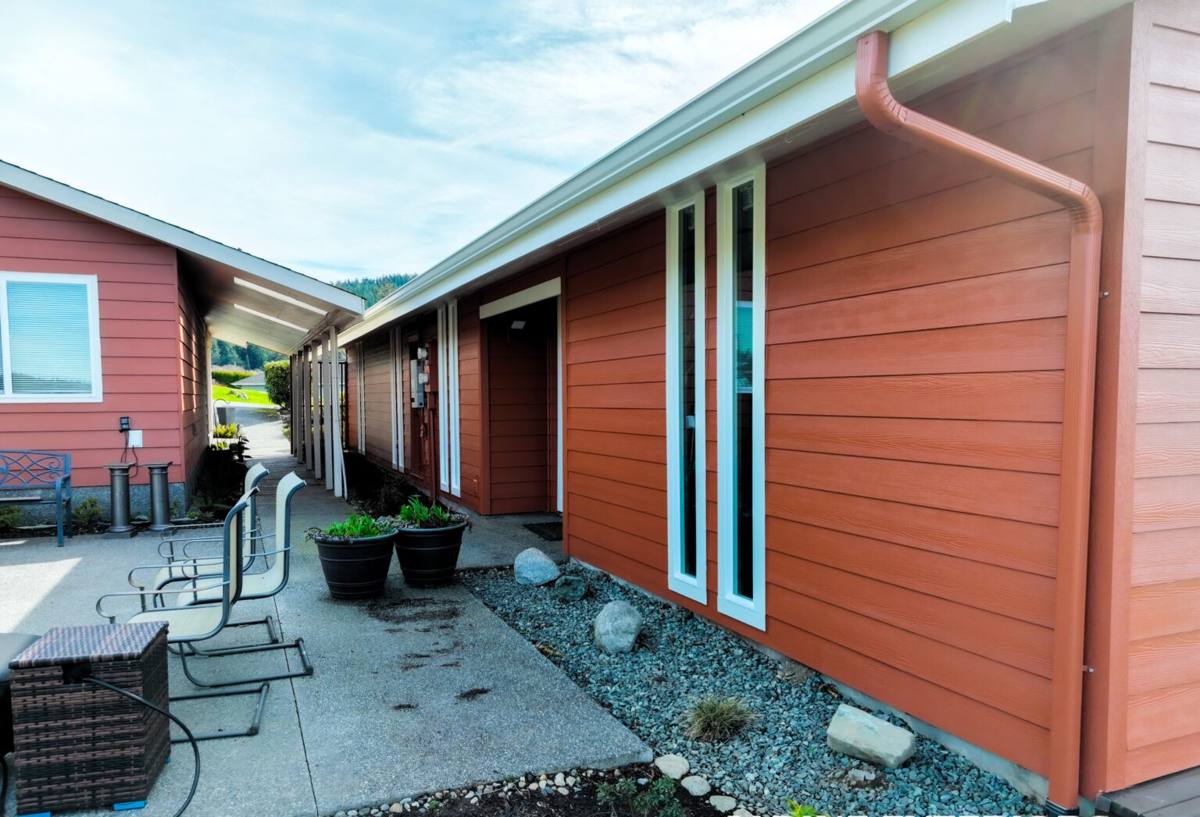
What Correct Siding Actually Needs to Do Here
Resist Salt and Moisture, Not Just Shed Water
Coastal salt doesn't just sit on a surface — it works into seams, fastener heads, and any spot where two materials meet. Siding that swells, delaminates, or corrodes at the edges when it stays damp is a poor match for a barrier island. The material itself needs to hold its shape and integrity even when it's damp more often than dry.
Hold Color and Structure Under Constant UV
Florida sun bleaches and breaks down a lot of exterior materials over a decade or two. Paint film chalks, plastics and composites can warp, and cheaper finishes fade unevenly depending on sun exposure per elevation. Siding on a Siesta Key home needs a finish that's engineered to take that UV load, not a standard paint job asked to do more than it was designed for.
Stay Sealed Through Wind-Driven Rain
Straight-down rain is easy to shed. Wind-driven rain pushes water sideways and upward into laps, corners, and penetrations. The siding material matters less here than the installation details — flashing, caulking, and clearances have to be done correctly, every time, or water finds its way behind the cladding regardless of what's installed.
Why We Install Only James Hardie Fiber Cement
We made a deliberate decision as a company to install James Hardie fiber cement siding exclusively — not vinyl, not LP SmartSide, not Cemplank, Allura, or unfinished wood products. That's not a marketing position, it's a maintenance and durability judgment based on what holds up on Gulf Coast homes over the long run.
Fiber cement is non-combustible, which matters in a state where lightning-driven brush fires and structure fires are a real consideration. It doesn't soften or warp in high heat the way vinyl can, and it holds a factory-applied finish far longer than field-painted wood products. James Hardie's ColorPlus finish is baked on and backed by its own finish warranty, which removes one of the biggest maintenance headaches coastal homeowners deal with — repainting siding every several years because sun and salt chewed through a field-applied coat.
We're not going to tell you those other products are junk — vinyl, wood, and other fiber cement brands all have legitimate uses. But for a Siesta Key home taking the kind of climate load described above, the trade-offs on maintenance burden, moisture behavior, and long-term appearance are enough that we don't put our name behind installing anything else.
James Hardie Product Lines and Where They Fit
James Hardie makes several siding profiles, and the right one for a given home depends on architectural style and existing trim more than personal preference alone.
| Product | Best Fit | Notes for Siesta Key |
|---|---|---|
| HardiePlank lap siding | Traditional and coastal-style homes | Most common choice; wide range of exposure widths and textures |
| HardiePanel vertical siding | Modern, Florida coastal, or accent walls | Clean lines, often paired with lap siding for contrast |
| HardieShingle siding | Cottage and craftsman-style homes | Staggered or straight-edge options for a coastal cottage look |
| HardieTrim boards | Corners, fascia, window and door surrounds | Matched finish system that resists the same UV and moisture exposure |
James Hardie also produces climate-specific engineered formulations, including versions built for high-humidity, high-moisture regions. Matching the right formulation and profile to a barrier island property is part of the assessment we do before any material gets ordered.
What a Correct Installation Involves in This Climate
The siding material is only half the equation. On Siesta Key, installation quality is what actually determines whether a home stays protected through storm seasons and salt exposure over the years. A correct install involves:
- A weather-resistive barrier installed and lapped correctly behind the siding, not just draped over sheathing
- Proper flashing at every window, door, and penetration so wind-driven rain can't track behind the cladding
- Fastener spacing and type that match James Hardie's published installation requirements for the wind zone, not a generic fastener schedule
- Correct clearance between the bottom edge of siding and the roofline, deck surfaces, and grade to prevent standing moisture
- Caulked and sealed joints at trim and corners using a sealant rated for exterior, coastal exposure
- Butt joints staggered and backed properly so seams don't become the first failure point
Skipping or rushing any one of these items is usually invisible on the day the job finishes. It shows up two, five, or ten years later as a soft spot, a stain, or a section that's failing while the rest of the wall looks fine. This is the part of the job that separates a correct James Hardie installation from a merely acceptable one, and it's where experience with this specific climate actually pays off.
Our Process for Siesta Key Projects
Assessment
We start by walking the property and evaluating existing sheathing, moisture barrier condition, trim, and any problem areas — particularly around windows, roof-to-wall intersections, and ground-level clearance, which tend to be the trouble spots on barrier island homes.
Product and Color Selection
We help match the right James Hardie profile and ColorPlus color to the home's style and HOA or neighborhood expectations where applicable, factoring in how different colors perform under intense sun exposure on different elevations of the house.
Installation
Our crew installs to James Hardie's published specifications for this wind zone — correct fastening, flashing, and clearances as outlined above — rather than treating those specs as optional guidance.
Final Inspection
Before we consider a job finished, we walk the completed exterior looking specifically at seams, corners, and penetrations — the places most likely to cause a callback down the road.
Cost Factors for a Siesta Key Siding Project
Every home is different, and we don't quote sight unseen, but the factors that move a project's cost up or down are consistent.
| Factor | Why It Matters |
|---|---|
| Extent of existing damage or rot | Compromised sheathing or framing has to be repaired before new siding goes on |
| Home size and wall complexity | More corners, gables, and dormers mean more cutting, trim, and labor time |
| Siding profile chosen | Lap, panel, and shingle products differ in material and installation time |
| Trim and accent work | Matched HardieTrim at corners, windows, and fascia adds material and labor |
| Site access | Tight lots, seawalls, or limited staging area on some Siesta Key properties affect crew efficiency |
The honest range for a full fiber cement siding replacement varies widely based on these factors, which is why we walk every property in person before providing a number rather than quoting a flat rate over the phone.
Maintaining Hardie Siding in a Salt-Air Environment
One of the reasons we favor James Hardie is how little ongoing maintenance it demands compared to wood or field-painted alternatives, but "low-maintenance" doesn't mean "no-maintenance" — especially this close to the Gulf. A simple annual routine keeps it performing as designed:
- Rinse the exterior with a garden hose a few times a year to clear salt residue, especially on Gulf-facing walls
- Check caulked joints at trim, windows, and corners annually and re-caulk any that have cracked or pulled away
- Keep sprinklers and irrigation heads from spraying directly on siding, which causes localized mineral buildup and staining
- Trim landscaping back from walls so siding can dry out fully after rain instead of staying damp against foliage
- After any major storm, do a visual walk-around checking for cracked panels, loose trim, or displaced flashing
Why Hiring a Crew That Already Works Siesta Key Matters
Installation quality is what determines whether James Hardie siding performs the way it's designed to over the next few decades, and installation quality comes from experience with the specific conditions a home faces — not just general siding experience. A crew that regularly works Sarasota County's barrier islands already knows where wind-driven rain tends to find gaps, how salt exposure differs from a Gulf-front lot to one set back with tree cover, and which fastening and flashing details actually hold up here versus what merely meets a generic code minimum.
That local pattern recognition doesn't replace following James Hardie's installation specifications — it's what makes following them correctly, on every corner and every joint, second nature instead of guesswork.
If you're planning a siding project on Siesta Key or elsewhere in the Sarasota area, we're glad to walk the property, look at what your home is currently dealing with, and put together a straightforward, no-pressure estimate using the form below.