 Sarasota Siding
 Building New in Lakewood Ranch? The Window Install Has to Be Right the First Time
New-construction windows are different from a retrofit or replacement job. On a retrofit, we're working around an existing wall system that's already weathered a few Florida summers. On new construction, we're setting windows into a fresh rough opening before the exterior finish goes on — which means the window installation itself becomes part of the home's structural and weatherproofing envelope. Get it wrong at this stage and the mistake gets sealed behind stucco, siding, or brick for the next 20 years.
Lakewood Ranch sits inland from the coast but still gets the full range of what Sarasota County weather throws at a house: hurricane-force wind events, intense sun exposure nearly year-round, wind-driven rain during summer storm season, and enough humidity to punish any flashing detail that isn't done correctly. New-construction window installation is where you get ahead of all of that — or where you bake problems into the house before it's even finished.
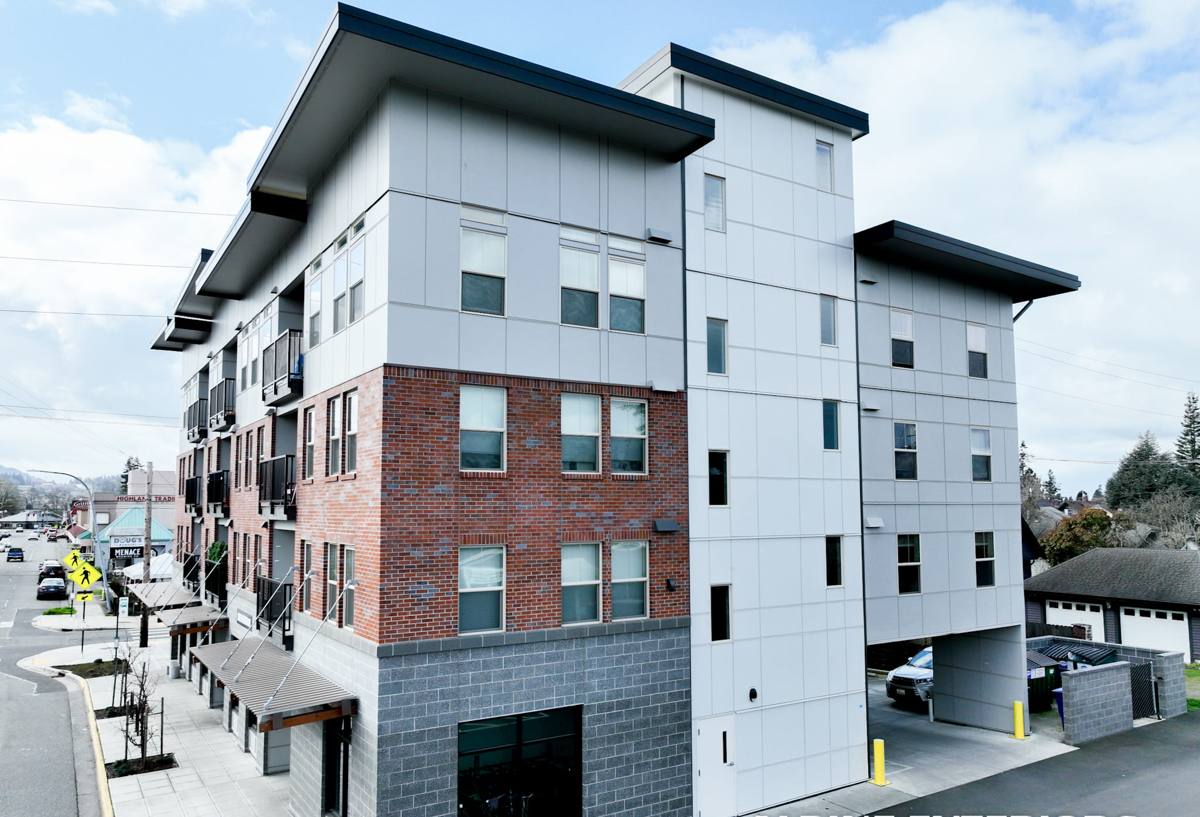
What New-Construction Window Installation Actually Involves
A lot of homeowners assume "new construction" just means installing windows in a house that happens to be new. It's actually a distinct installation method with its own sequence and its own failure points if skipped.
The Rough Opening
Before a window ever goes in, the rough opening framing has to be checked for square, level, and correct dimensions. An opening that's slightly out of square will force the window frame to rack, which stresses the corner seals and can keep the sash from operating smoothly for the life of the window. We check this before we touch a window, not after we've already set one and found out it doesn't sit right.
Flashing and Water Management
This is the step that matters most and gets rushed most often. New-construction windows get integrated with a weather-resistive barrier and flashing tape in a specific shingle-lap sequence — sill pan first, then side flashing, then head flashing lapped over the top — so that any water that gets past the exterior finish is directed back out, not into the wall cavity. In a region with wind-driven rain, a flashing detail done out of sequence is a slow leak that won't show up until there's already damage behind the wall.
Setting and Fastening the Window
Windows get shimmed, squared, and fastened according to the manufacturer's installation instructions — which matter for two reasons: they're what keeps the window performing to its tested wind-load rating, and they're what keeps the manufacturer's warranty valid. Fasteners, shim placement, and attachment points aren't optional details; they're part of what the window was engineered and tested to do.
Sealing and Insulating
The gap between the window frame and the rough opening gets insulated and sealed on the interior side, and the exterior gets sealed per the flashing plan — not just caulked over. Caulk is a backup layer, not a substitute for correct flashing.
Why Sarasota County's Climate Changes the Standard
Every part of the process above matters more here than it would in a milder climate.
- Hurricane-force wind: Sarasota County falls under Florida's high-velocity wind zone requirements in much of the coastal and near-coastal area. New-construction windows need to be impact-rated or protected per current Florida Building Code, and the installation itself has to meet the anchoring specs tested for that rating — an under-fastened window undermines a correctly rated product.
- Wind-driven rain: Summer storms don't just drop rain straight down here — it comes in sideways under pressure. That's exactly the condition sill pans and shingle-lap flashing are designed to handle, and exactly the condition a shortcut flashing job fails under.
- Year-round UV exposure: Sun exposure degrades weak sealants and cheap gaskets faster in Florida than in most of the country. We use sealants and flashing materials rated for sustained UV exposure, not general-purpose products that chalk and crack within a few seasons.
- Salt air: Lakewood Ranch is inland, but the Gulf's salt air still reaches this far, and it's harder on exposed metal fasteners and hardware over time. Fastener and hardware selection accounts for this rather than assuming purely inland conditions.
Choosing the Right Window for New Construction Here
New construction is the one point in a home's life where you can pick the exact window spec for the opening, rather than working around what's already there. That's worth taking seriously.
| Factor | Why It Matters in This Area |
|---|---|
| Impact rating | Determines whether the window meets code without separate shutters or panels in wind-borne debris regions |
| Frame material | Vinyl and fiberglass resist humidity and salt air better than untreated wood over the long run |
| Glass package (Low-E, tint) | Cuts solar heat gain given the amount of direct sun the home will see most of the year |
| Design pressure (DP) rating | Needs to match the home's wind-load requirements for its exposure category, not just meet a minimum |
| Warranty structure | Manufacturer warranties on new-construction installs typically require installation per their published instructions — skipping steps can void coverage before the home is even occupied |
We'll talk through which glass package and frame material make sense for the home's orientation and exposure — a west-facing wall of glass has different needs than a shaded, protected elevation, even on the same lot.
A Note on Product Choices
We install to manufacturer specs and won't cut corners on flashing sequence or fastening schedule to save time, even on a tight builder deadline. If a product's published installation requirements don't line up with sound water-management practice for this climate, we'll say so and explain the trade-off rather than installing it in a way that sets up a callback in a year or two.
How Our Process Works on a New-Construction Job
- Plan review: We look at window schedules and elevations before framing is even finished, so we can flag any opening sizing or product-fit issues early.
- Rough opening inspection: Every opening gets checked for square, level, and correct dimension before we set a single window.
- Flashing installation: Sill pans, side flashing, and head flashing go in per the sequence the weather-resistive barrier system requires — coordinated with whoever is running the WRB on the job.
- Window setting: Windows are shimmed, squared, and fastened per manufacturer spec, then function-tested — every sash opens, closes, and locks correctly before we move on.
- Interior and exterior sealing: Insulation and sealant go in on the interior; exterior sealant is applied as a backup layer to the flashing, not a replacement for it.
- Final walkthrough: We check every opening against the plan and confirm operation before the crew leaves the site.
Because we coordinate directly with the builder's framing and stucco or siding schedule, windows get installed at the right point in the build sequence — not too early, when the opening isn't finished, and not so late that it holds up the rest of the exterior trades.
Why Hire a Crew That Already Works Lakewood Ranch
New-construction window work has more coordination points than a standalone replacement job — builders, framers, WRB installers, and exterior finish crews all touch the same opening at different stages. A crew that's worked new-construction jobs in this area knows the sequencing local builders expect, knows what Sarasota County inspectors look for on flashing and fastening at rough-in, and isn't learning the region's wind and rain patterns on your project. That familiarity shows up as fewer callbacks, fewer scheduling conflicts with other trades, and an install that passes inspection the first time.
Practical Checklist: What to Confirm Before Windows Go In
- Rough openings measured and confirmed against the approved window schedule
- Openings checked for square and level, not just "close enough"
- Weather-resistive barrier installed and ready to integrate with window flashing
- Correct impact rating and design pressure confirmed for each opening's exposure
- Manufacturer installation instructions on hand for the specific product being installed
- Fastener and flashing materials rated for coastal/inland Florida humidity and UV exposure
- Sequencing coordinated with framing, stucco/siding, and inspection schedule
Timing and Coordination on a Build Schedule
New-construction windows typically go in after the home is framed and dried-in but before exterior finish work like stucco or siding closes up the wall. Getting the timing right avoids two common problems: installing too early, before the opening or WRB is truly ready, or installing too late, which holds up every trade waiting to close in the exterior. We work off the builder's schedule directly rather than working in isolation, so window installation lines up with the rest of the build instead of becoming the bottleneck.
Get an Estimate for Your Lakewood Ranch New-Construction Windows
Every build is different, and window needs depend on the home's orientation, exposure category, and the builder's schedule. If you're planning new construction in Lakewood Ranch, we're happy to look at the plans, walk the site, and put together a straightforward estimate — no pressure, no obligation. Fill out the form below and we'll get back to you to talk through the details.