 Sarasota Siding
 Windows in Lakewood Ranch Work Harder Than Windows Almost Anywhere Else
Lakewood Ranch homes deal with a combination of stresses that most of the country never sees: sustained sun exposure that breaks down seals and glazing, wind-driven rain that finds every gap in a poor installation, hurricane-force wind loads during storm season, and salt-laden air drifting in off the Gulf that accelerates corrosion on hardware and frames. A window installed correctly ten years ago in a drier, milder climate might still be fine today. A window installed the same way here often isn't. That's the starting point for any honest conversation about window replacement in this area: the product matters, but the installation matters just as much, and both have to be matched to what this climate actually does to a house over time.
This page covers window replacement specifically for Lakewood Ranch homes — what local conditions demand, what a correct job looks like from tear-out to final seal, and what to ask before you hire anyone to do it.
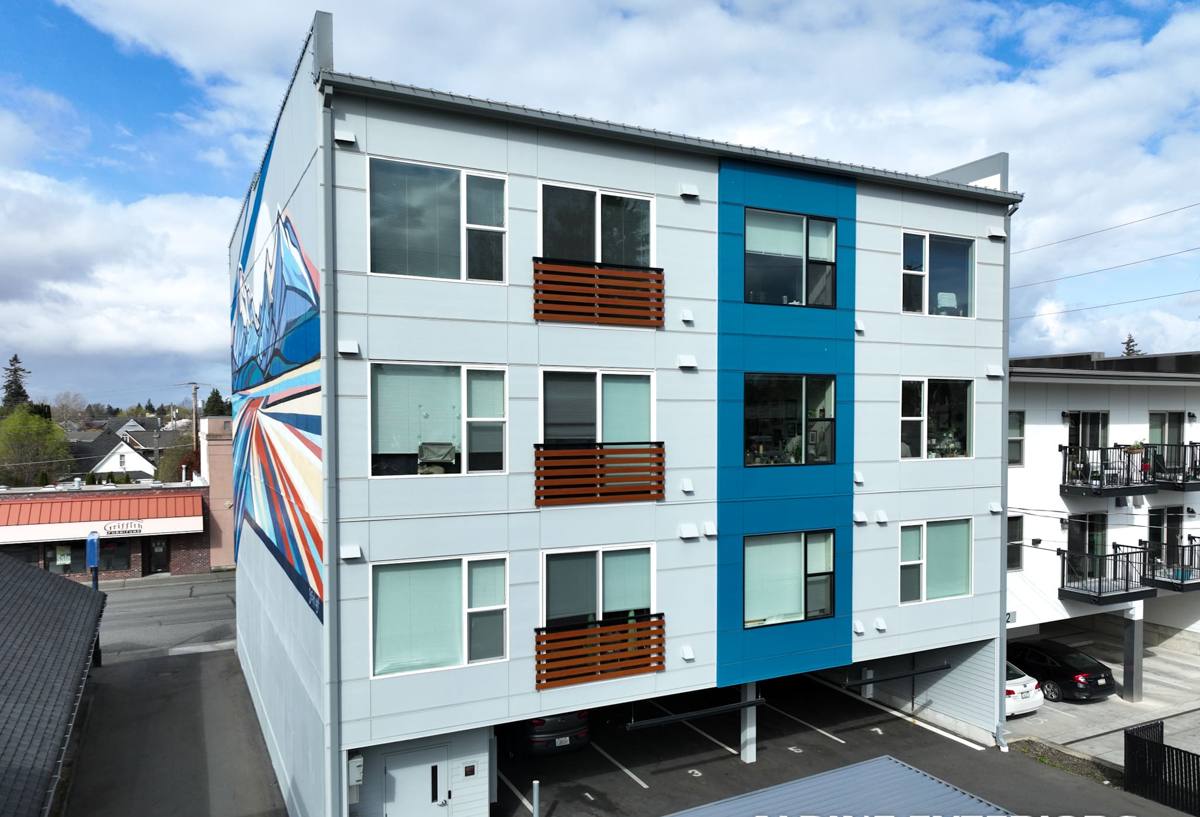
What Sun, Wind, and Salt Air Actually Do to Old Windows
UV and Heat
Year-round sun exposure breaks down vinyl frames, dries out glazing compound, and can cloud or delaminate older double-pane glass units from the inside out. Once the seal between panes fails, you'll see fogging or a hazy ring around the edge of the glass that never wipes away — that's moisture trapped between the panes, and it means the insulated glass unit is done.
Wind-Driven Rain
Storms here rarely arrive as gentle rain. Wind pushes water sideways and upward, testing every seam, corner, and fastener point on a window installation. A window that leaks isn't usually leaking through the glass — it's leaking around the frame, through failed caulk, degraded flashing, or a rough opening that was never properly sealed to begin with.
Salt Air and Corrosion
Even well inland from the immediate coastline, salt-laden air moves through the region and slowly corrodes exposed metal hardware — hinges, cranks, locks, and screws. Aluminum and vinyl frames handle this better than bare steel components, which is one reason hardware choice matters as much as frame material.
Hurricane-Force Wind Load
Sustained tropical-storm and hurricane-force winds put real pressure — both push and pull — on a window assembly. An older window that was never rated for these loads, or one installed without proper anchoring into the structural opening, is a weak point in the building envelope during a storm, whether or not the glass itself ever breaks.
Signs a Lakewood Ranch Home Needs Window Replacement
- Fogging, haze, or condensation trapped between panes that won't clear
- Windows that are difficult to open, close, or lock — often a sign the frame has shifted or warped
- Visible daylight, drafts, or a whistling sound around the frame during windy conditions
- Soft, discolored, or bubbling drywall or trim near the window — a sign water is getting in around the frame
- A noticeable rise in cooling costs with no other explanation
- Chalky, faded, or pitted aluminum frames, or vinyl that's gone brittle and cracked
- Single-pane glass or original builder-grade windows on a home more than 15 to 20 years old
- Outside noise — traffic, lawn equipment, neighbors — that seems louder indoors than it should
Any one of these on its own might just mean a repair. Several of them together, especially on windows original to the house, usually means replacement is the more cost-effective path — repeatedly patching failing seals and hardware on old frames adds up without solving the underlying problem.
What a Correct Window Replacement Job Actually Involves
The window unit itself is only part of the job. Most window failures we're called out to inspect trace back to the installation, not the product. A correct replacement includes several steps that are easy to skip and hard to notice once the trim is back on — which is exactly why they matter.
1. Careful Removal
The old window and its nailing fin or flange are removed without tearing up the surrounding stucco, siding, or framing more than necessary. This is also the point where hidden problems — rotted wood framing, prior water damage, or a rough opening that's out of square — get discovered, before they're covered back up.
2. Opening Inspection and Repair
Any damaged framing, sill, or sheathing gets addressed before a new window goes in. Installing a new window into a compromised opening just relocates the same water problem a few years down the road.
3. Flashing and Weatherproofing
Self-adhered flashing tape is applied around the opening in the correct shingle-lap sequence — sill, then sides, then head — so any water that gets past the window sheds outward and down, never inward. This step is where a large share of leaks trace back to when it's rushed or skipped.
4. Setting and Anchoring
The window is set plumb, level, and square, then anchored per the manufacturer's installation instructions and the load requirements for this wind zone. Shims keep the frame from bowing under fastener pressure, which can bind hardware or stress the glass over time.
5. Sealing
Backer rod and quality sealant close the gap between the window frame and the opening on both the exterior and interior. Exterior caulking is a wear item that should be checked periodically — it's the first line of defense against wind-driven rain and it does eventually need attention.
6. Interior and Exterior Finish
Trim, interior casing, and exterior stucco or siding transitions are restored cleanly around the new window so the finished opening looks original to the house, not obviously retrofitted.
Choosing the Right Window for This Climate
There's no single "best" window for every home — the right choice depends on the home's exposure, the homeowner's budget, and whether the goal is meeting code minimums or maximizing storm and energy performance. A few decisions come up on nearly every Lakewood Ranch project.
Impact-Rated Glass vs. Non-Impact With Shutters
Homes in this part of Florida generally need to satisfy wind-borne debris protection requirements under the Florida Building Code, either with impact-rated windows or with approved shutters or panels over standard windows. Impact windows cost more up front but provide permanent protection with nothing to install before a storm, plus year-round benefits like better sound dampening and UV blocking. Shutters cost less initially but require action before every storm and ongoing maintenance of the shutter hardware itself.
Frame Material
| Frame Material | Strengths | Trade-offs in This Climate |
|---|---|---|
| Vinyl | Won't corrode, good insulator, lower cost, low maintenance | Can soften or discolor under prolonged direct sun over many years; quality varies widely by manufacturer |
| Aluminum | Strong, slim sightlines, handles wind load well | Conducts heat, so it needs a thermal break for good energy performance; hardware needs corrosion-resistant coatings near salt air |
| Fiberglass | Very stable in heat and sun, holds paint well, strong | Higher upfront cost than vinyl or standard aluminum |
| Wood or Wood-Clad | Traditional appearance, good insulator | Highest maintenance burden in humid, insect-prone conditions — generally not our first recommendation for this climate |
Glass Package
Beyond impact resistance, glass coatings and gas fills affect how much heat and UV transfer into the home. Low-E coatings block a significant share of solar heat gain without noticeably darkening the glass, which matters for a home running air conditioning most of the year. Laminated glass — the kind used in impact windows — also cuts outside noise more than standard tempered glass.
Our Process, Start to Finish
- On-site assessment — we look at every window being considered, check the framing and any signs of past water intrusion, and talk through what's actually driving the decision, whether that's energy costs, storm protection, noise, or appearance.
- Written estimate — a clear breakdown of product options, scope, and cost, with no pressure to decide on the spot.
- Permitting — window replacement in this area typically requires a building permit; we handle that paperwork and coordinate inspections so it's not on your plate.
- Scheduling — we plan around weather and material lead times and give a realistic timeline before work starts, not an optimistic one.
- Installation — removal, opening inspection and repair, flashing, setting, sealing, and finish work, done in the sequence described above.
- Walkthrough and cleanup — every window is operated, checked, and inspected with you before we consider the job finished, and the work site is cleaned up daily, not just at the end.
- Final inspection sign-off — where required, we get the permit closed out so there's a clean record tied to the property.
What Drives the Cost of a Window Replacement Project
| Factor | Why It Matters |
|---|---|
| Impact vs. non-impact glass | Impact-rated units cost more per window but remove the need for shutters or panels |
| Frame material | Vinyl is typically the most budget-friendly; fiberglass and higher-end aluminum cost more |
| Window size and configuration | Larger openings, sliders, and custom shapes cost more than standard single or double-hung sizes |
| Number of openings | Whole-house replacement usually has a better cost-per-window than doing a few at a time |
| Condition of the rough opening | Rot repair or reframing adds labor and material beyond the window itself |
| Stucco or siding transitions | Restoring exterior finish cleanly around a new opening takes more time than a simple swap |
| Permitting requirements | Fees and inspection scheduling vary and are part of doing the job by the book |
We'd rather walk your specific windows and give you real numbers than throw out a broad range that doesn't mean much for your house. What we can say honestly: cutting corners on flashing, sealing, or anchoring to hit a lower price is the single most common cause of the leaks and failures we get called to fix on other contractors' work.
Why It Matters That We Work in Lakewood Ranch Regularly
A crew that works this area consistently has already dealt with the practical realities that come up on almost every project here: what local permitting offices expect on a window replacement application, how HOA or deed-restriction guidelines in some Lakewood Ranch communities can affect exterior appearance approvals, and what typical framing and stucco details look like on homes built in this part of Florida's Gulf Coast over the last few decades. That familiarity shows up in fewer surprises mid-project, a smoother permitting process, and an installation approach that already accounts for the wind, rain, and sun conditions this specific area sees rather than a generic approach borrowed from a different climate.
It also means we're not disappearing after the invoice is paid. If a seal needs attention down the road or a question comes up about how a window is performing in a storm, you're calling a crew that's still working in your neighborhood, not chasing down a company that only passed through once.
Caring for New Windows After Installation
New windows installed correctly should need very little from you, but a bit of routine attention extends their life in this climate:
- Rinse frames and glass periodically to clear salt residue and dust, especially after storms
- Check exterior caulk lines once a year for cracking or separation and have any gaps resealed
- Operate locks and cranks a few times a year so hardware doesn't seize from disuse
- Keep weep holes on the exterior sill clear of dirt, pollen, and debris so water can drain properly
- Avoid pressure-washing directly at window seals — it can force water past even a good seal
- Watch for any new fogging between panes, which signals a seal failure even on a newer window and is typically covered under manufacturer warranty
Ready to Talk About Your Windows?
If your Lakewood Ranch home has windows that are original, fogging, hard to operate, or just not holding up to what this climate throws at them, we're glad to take a look. The estimate is free, there's no pressure attached to it, and you'll get straight answers about what your home actually needs. Use the form below to request your no-obligation estimate.