 Sarasota Siding
 Why Longboat Key Homes Need a Different Approach to Roofing
A roof on Longboat Key does a harder job than a roof a few miles inland. This is a barrier island with almost nothing between it and the Gulf of Mexico, which means every storm system that moves through Sarasota County hits here first and hits harder. Sustained hurricane-force winds, wind-driven rain that gets pushed sideways under loose flashing, and the kind of intense, near-constant UV exposure you get at this latitude all work on a roof year-round, not just during storm season. Add in the salt air that comes off the water and settles on every exposed metal surface, and you have a set of conditions that will find any shortcut in a roofing job within a few years.
We install new roofs across the Sarasota area, but Longboat Key homes get a specific set of decisions applied to them — material choice, fastening schedule, flashing detail, and deck preparation — that a standard inland install doesn't need. This page covers what that actually looks like.
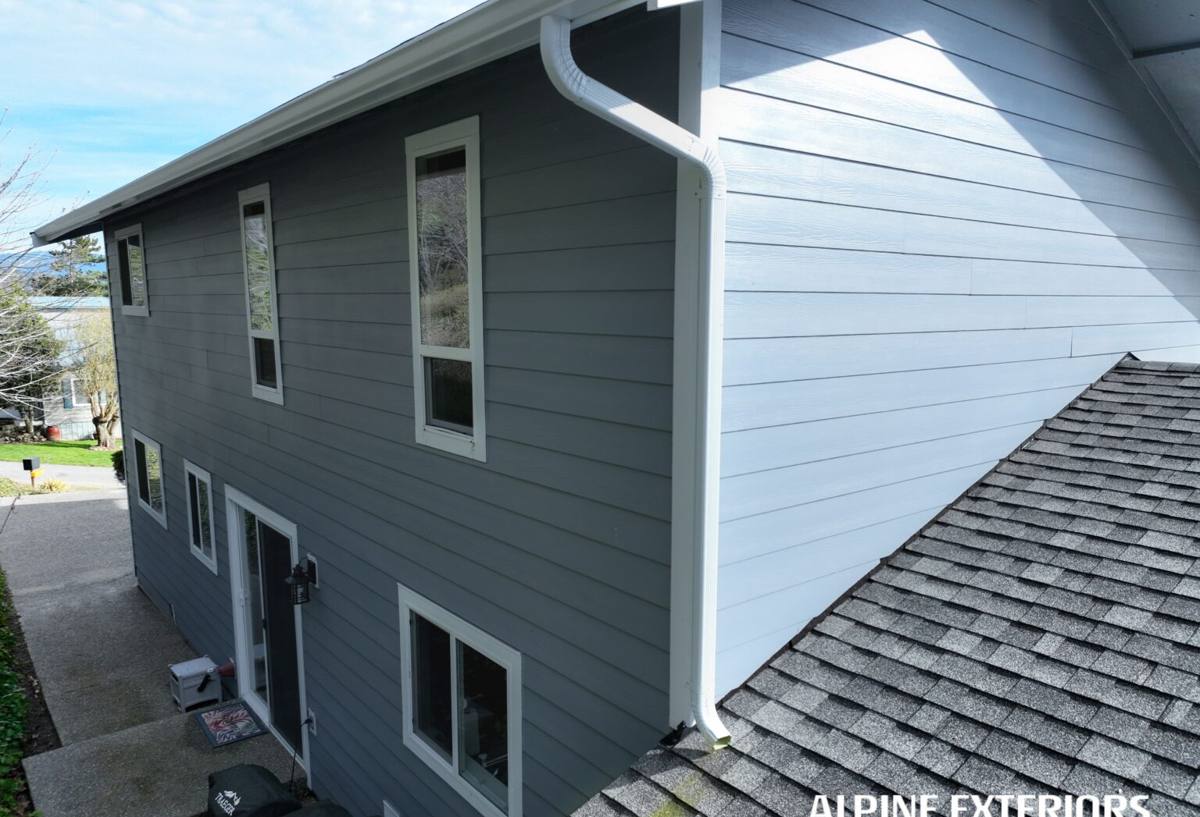
What a Correct New Roof Installation Includes Here
A Sealed, Wind-Rated Roof Deck
The single biggest difference between a roof that survives a bad windstorm and one that doesn't often isn't the shingle or the tile — it's what's underneath it. Florida's building code requires roofs in wind-borne debris regions, which includes Longboat Key, to be installed with a sealed roof deck: either taped seams on the plywood or OSB sheathing, or a fully self-adhered underlayment membrane, so that if wind ever lifts or damages the outer roofing material, water still can't get into the house. We treat this as non-negotiable on every new roof we install here, not as an upgrade someone has to ask for.
Before any new roofing goes down, we inspect the deck itself for soft spots, delamination, or old fastener damage and replace any sheathing that won't hold a proper nailing or screw pattern. A wind-rated roof covering fastened into a weak deck is still a weak roof.
Flashing and Fasteners Built for Salt Air
Salt-laden air corrodes ordinary galvanized metal faster than most homeowners expect, especially this close to the water. Flashing around chimneys, walls, skylights, and roof-to-wall transitions, along with the fasteners holding the roofing system down, need to be rated for coastal exposure — typically stainless steel, aluminum, or coated fasteners rather than standard galvanized. We spec these details up front on every Longboat Key job rather than defaulting to whatever is cheapest, because flashing failure is one of the most common causes of hidden leaks on coastal roofs.
Choosing a Roofing Material for a Barrier Island Home
There's no single "best" roofing material for Longboat Key — the right choice depends on your home's structure, your budget, and how much maintenance you want to take on. Here's an honest comparison of the three materials we install most often on Sarasota-area coastal homes.
| Material | Wind Performance | Salt Air Durability | Maintenance | Typical Lifespan |
|---|---|---|---|---|
| Architectural asphalt shingle (high-wind rated) | Strong when properly fastened and sealed; rated for high-velocity wind zones | Good with corrosion-resistant flashing and fasteners | Low — periodic inspection | 20–30 years |
| Standing seam metal | Excellent — among the highest wind ratings available | Very good with marine-grade coatings and fasteners | Low | 40–60 years |
| Concrete or clay tile | Strong when fastened per high-wind installation standards; heavier and needs adequate structural support | Excellent — the tile itself doesn't corrode | Moderate — occasional tile replacement, underlayment is the long-term wear item | 40–50+ years (underlayment usually needs replacement sooner) |
Tile is common on Sarasota's coast for a reason — it handles salt air and UV extremely well — but it's heavier, and older homes should have their roof structure checked before a tile re-roof. Metal has become increasingly popular on Longboat Key for its wind performance and long service life, though it carries a higher upfront cost. Architectural shingle remains the most budget-flexible option and, installed correctly with the right wind rating, performs well here too. We'll walk through the real trade-offs for your specific home rather than pushing one material across the board.
Our New Roof Installation Process
Every roof is different, but the sequence we follow on a Longboat Key install doesn't change:
- Inspection and estimate. We assess the existing roof, structure, and any problem areas, and give you a written scope before work starts.
- Tear-off. Old roofing is removed down to the deck so we can actually see what we're working with — not installed over.
- Deck inspection and repair. Any damaged or weak sheathing is replaced before anything new goes down.
- Sealed deck and underlayment. Seams are taped or a self-adhered membrane is applied to meet Florida's secondary water barrier requirements.
- Flashing installation. Chimneys, walls, skylights, and penetrations are flashed with coastal-grade metal before the field material goes on.
- Roofing material installation. Shingles, metal panels, or tile are installed to the manufacturer's high-wind specification, not a generic nailing pattern.
- Ridge ventilation and final details. Ventilation components, drip edge, and trim are completed and checked for proper airflow.
- Cleanup and final walkthrough. Site is cleared of debris and nails, and we walk the finished roof with you.
- Permit closeout. We handle inspections and documentation so the job closes out clean with the local building department.
Ventilation and Moisture Management
Sarasota's humidity doesn't let up much, and a roof system that traps heat and moisture in the attic will shorten the life of everything underneath it — shingles from the inside out, wood sheathing through rot, and it drives up cooling costs. A correct new roof installation includes a balanced ventilation system: enough intake at the eaves and exhaust at the ridge to keep air actually moving through the attic space, not just vents installed because code requires some. On homes where the existing ventilation was never balanced properly, we address it as part of the re-roof rather than leaving the same problem under new material.
What Drives the Cost of a New Roof on Longboat Key
Costs vary widely based on the home and material, but the main factors we price against are consistent from job to job:
| Factor | Why It Matters |
|---|---|
| Roof size and pitch | More square footage and steeper pitches mean more material and labor time |
| Material choice | Shingle, metal, and tile carry different material and installation costs, as shown above |
| Layers of existing roofing | Multiple old layers mean more tear-off labor and disposal |
| Deck condition | Rotted or delaminated sheathing found during tear-off adds repair cost |
| Access and site complexity | Multi-story homes, tight lots, or gated community access can affect logistics and time |
| Permitting and wind mitigation requirements | Coastal wind zones can require additional engineering or documentation |
We give you an itemized estimate before work begins so you know exactly what you're paying for and why — no vague lump-sum numbers.
Insurance and Permitting Considerations
A new roof on a coastal home isn't just a maintenance item — it can directly affect your homeowners insurance. Florida allows a wind mitigation inspection that documents features like roof shape, roof-to-wall connections, and secondary water barriers, and insurers use that report to calculate premium discounts. A properly documented new roof installation, done to current wind-rating standards, is often worth having inspected for this purpose once the job is complete. We also pull the required permits and coordinate inspections with the local building department as part of every install, so you're not left chasing paperwork after the crew leaves.
Signs Your Roof Needs Replacing, Not Another Repair
Not every roof problem calls for full replacement, but on a barrier island home, some signs mean it's time to stop patching:
- Shingles that are cracked, curling, or missing granules across large areas rather than one isolated spot
- Visible sagging in the roofline or soft spots when walking the roof deck
- Repeated leaks in different locations after previous repairs
- Rusted or deteriorating flashing around chimneys, walls, or penetrations
- A roof original to a home built decades ago, especially if it's never had wind-mitigation upgrades
- Visible daylight or water staining in the attic
- Storm damage that's affected a significant portion of the roof rather than a few shingles
If you're unsure which category your roof falls into, an honest inspection should tell you — and it should come with a clear answer, not an automatic sales pitch for replacement.
Why Hire a Crew That Already Works Longboat Key
A contractor who mostly works inland can still install a technically correct roof, but they won't necessarily default to coastal-grade fasteners, know how tightly to detail flashing against wind-driven rain, or think about salt air corrosion until it's already a problem. Working this stretch of the Sarasota coast regularly means those decisions are standard practice, not an afterthought — and it means we understand how to work efficiently around barrier-island logistics, from bridge access to community approval requirements, without adding delays to your project.
If your roof is due for replacement, or you just want an honest read on whether it's time, we're happy to take a look. Reach out for a free, no-pressure estimate using the form below.